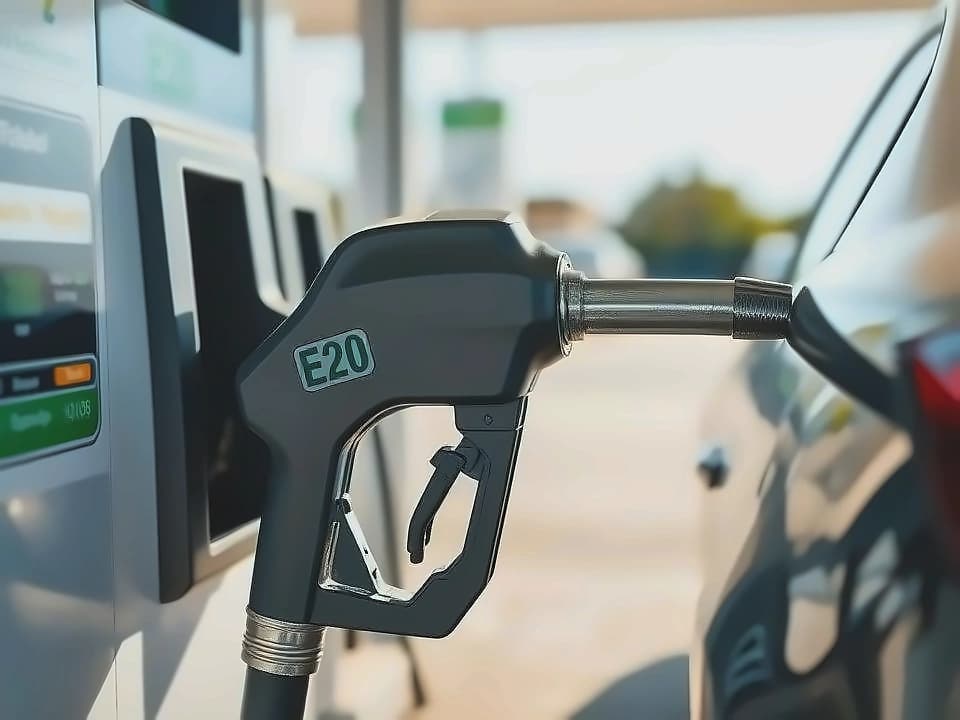
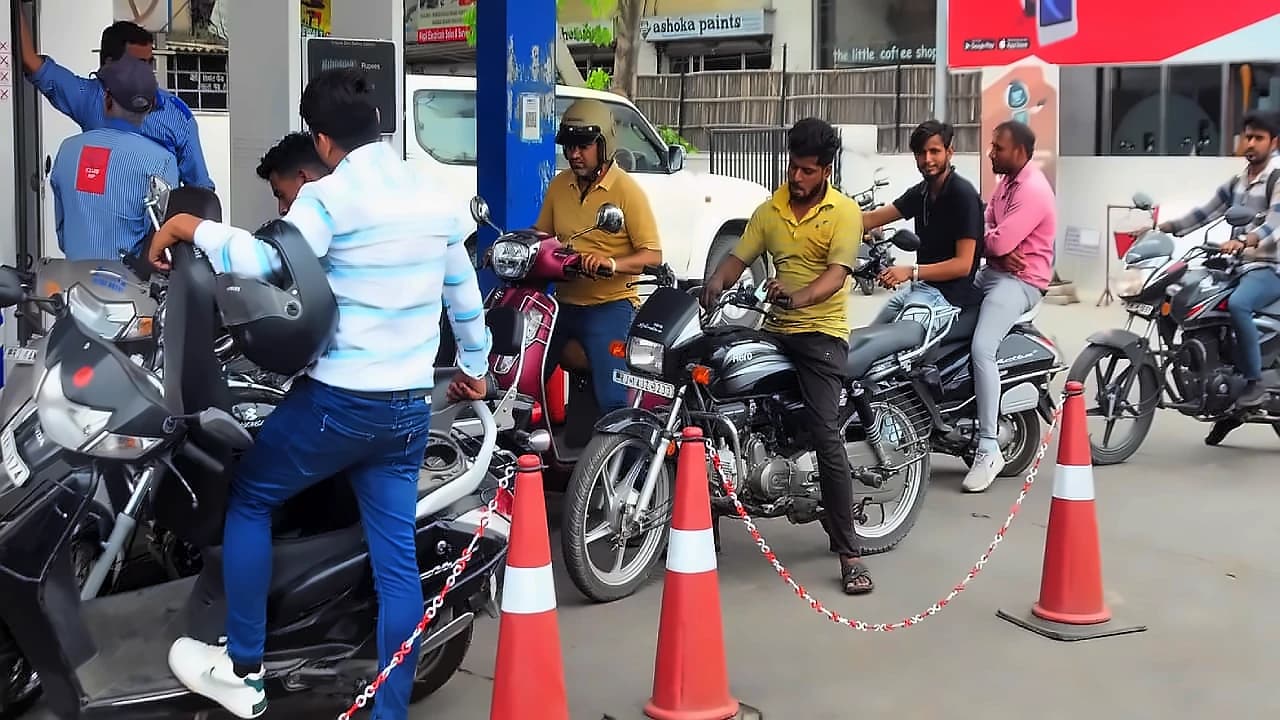
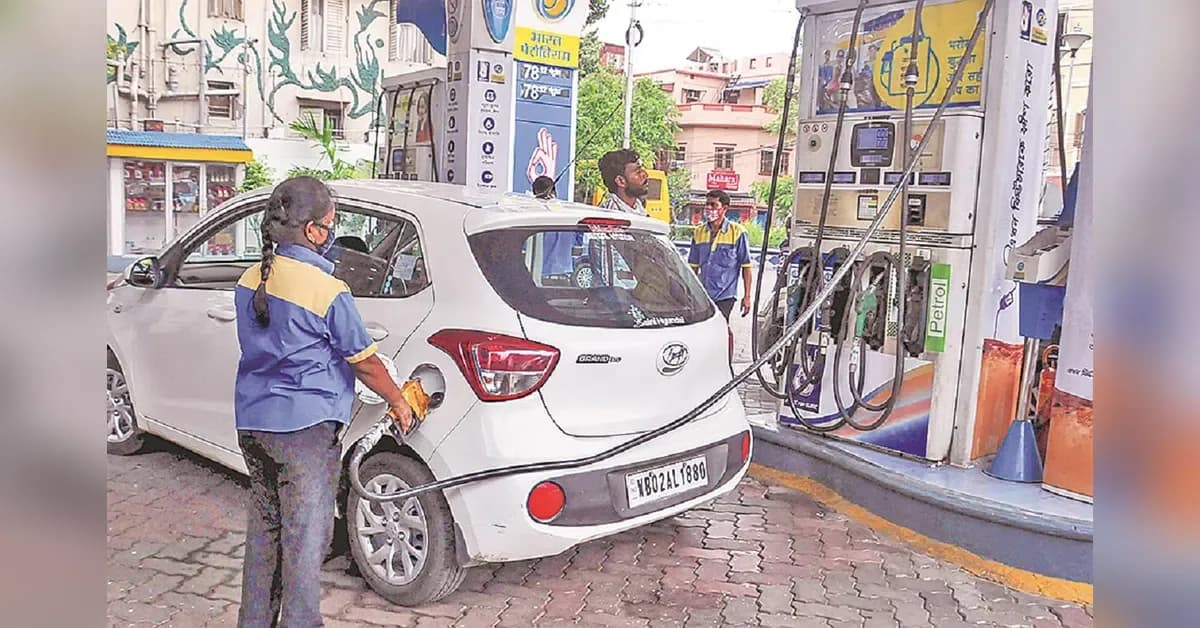
The Federation of Automobile Dealers Associations (FADA), representing around 30,000 automobile dealerships across India, has confirmed it has not received a single documented complaint related to E20 petrol from its nationwide dealer network. According to FADA President C S Vigneshwar, the association reached out to its General Council comprising around 60-65 dealer representatives from across states and vehicle segments to ascertain whether any E20-related issues had been reported by customers. As reported by Business Standard, "We didn't get a single problem statement saying a customer had an issue because of E20 fuel," Vigneshwar said. "There wasn't a single response from our General Council reporting an E20-related problem." The statement comes amid growing debate over E20 compatibility with older petrol vehicles after several social media posts and consumer claims alleged engine damage, corrosion and reduced fuel efficiency.
To address customer concerns, FADA has begun a nationwide awareness drive in coordination with automobile manufacturers. According to Vigneshwar, dealerships have started displaying banners and educating customers based on guidance issued by their respective original equipment manufacturers (OEMs). As reported by Business Standard, "Our customers are the most important stakeholders. We wanted to settle their concerns with factual information provided by manufacturers," he said. The Centre, oil marketing companies and vehicle manufacturers have maintained that E20 fuel is safe for vehicles approved for its use, while several automakers have also stated that existing vehicles can continue operating on the fuel without adverse effects. Vigneshwar acknowledged that concerns around E20 have spread rapidly on social media but argued that much of the discussion lacks empirical evidence.
The Centre has defended its ethanol-blending programme, assuring motorists that E20 petrol is safe for vehicles and does not cause engine damage or major performance issues. According to the latest government statement, real-world performance data from millions of vehicles provides a more accurate assessment of E20's impact compared with isolated individual complaints or online claims. The clarification comes after a wave of complaints from vehicle owners and viral social media posts claimed that petrol containing 20% ethanol could damage engines and rubber components, increase maintenance costs and reduce fuel efficiency. The government emphasized that mileage is only one parameter of fuel performance, which also includes technical and environmental advantages. The government has now released nine comprehensive FAQs addressing key concerns about E20's impact on mileage, performance, damage, pricing and more, seeking to clarify the goals and usage implications of ethanol-blended petrol.
The government confirmed that the E20 transition was preceded by extensive scientific testing and consultations with automobile manufacturers before the fuel was rolled out nationwide. According to the official statement, extensive consultations were held with automobile manufacturers, component suppliers, testing agencies and research institutions, with every aspect examined starting from material compatibility, engine calibration, fuel systems, drivability, durability, emissions and fuel efficiency. The Inter-Ministerial Committee's roadmap had remained in the public domain since 2021, providing a calibrated approach towards achieving 20% ethanol blending. The government stated that before introducing E20 petrol nationwide, multiple rounds of discussions were held with automobile companies, testing agencies, industry experts and other stakeholders to ensure that manufacturers and fuel supply systems were prepared for the transition. The Ethanol Blended Petrol (EBP) Programme was formally announced in 2004, with E5 (5% blending) rolled out across several states in 2006, while the policy framework was notified in January 2013 with a target of achieving 5% ethanol blending across 10 States and Union Territories.
Citing industry feedback, the government reported that Maruti Suzuki serviced around 2.84 crore vehicles during the financial year 2025-26, including nearly 1.5 crore older vehicles that were not E20-certified, and reported no ethanol-related corrosion, unusual wear, or reduced component life. The government added that Hero MotoCorp had reported similar experiences in real-world usage, with such field data providing stronger evidence than isolated anecdotal claims regarding the impact of ethanol-blended fuel. The ministry emphasized that had automobile manufacturers not been fully satisfied with the results, they would never have stood behind the product or honoured vehicle warranties. The government noted that India achieved its E10 blending target in June 2022, five months ahead of schedule under the Ethanol Supply Year (ESY) 2020-21 programme, with India reaching the milestone of 20% ethanol blending in April 2025, five years ahead of the original 2030 target. The regular petrol sold at fuel stations across the country now contains 20% ethanol as a result of this successful transition.
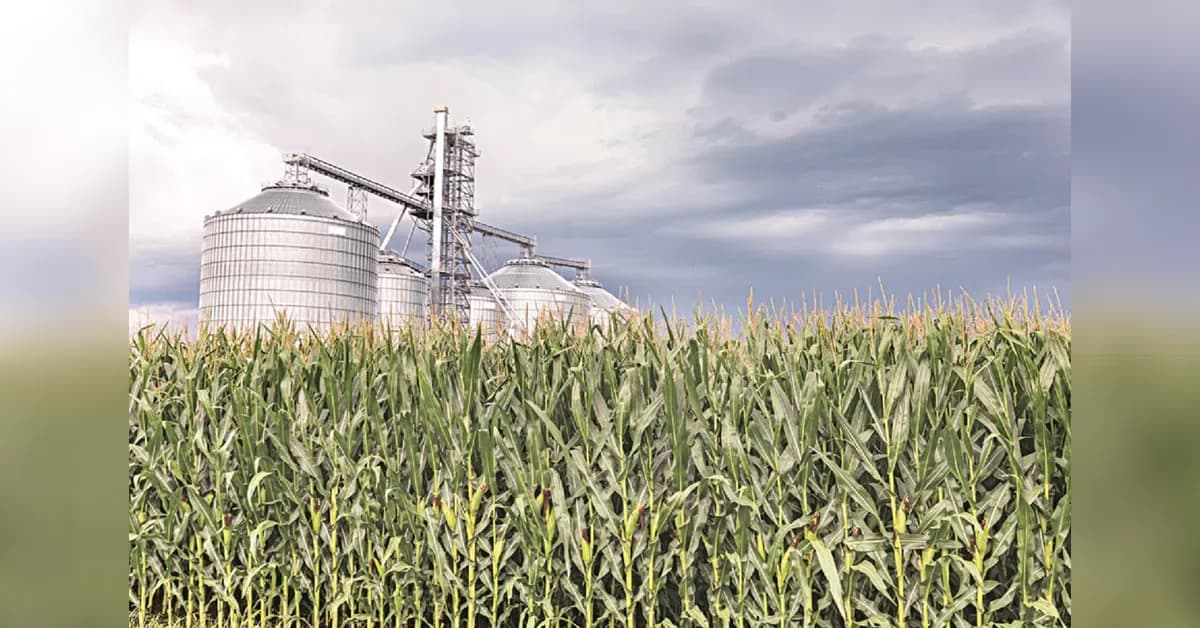
Beyond vehicle performance, the government highlighted E20's environmental benefits, stating that it generates negligible particulate emissions while reducing lifecycle carbon emissions by nearly 40%. The government described E20 as a cleaner, more efficient fuel than E10 petrol or pure gasoline, with E20 offering a significantly higher-octane rating of about 108.5 compared to 84.4 for petrol, which raises the effective octane rating of Indian petrol to around 95, improving combustion in modern engines. The government also stressed that E20 enables cleaner engine operation with significantly lower particulate emissions, vehicles calibrated for E20 deliver smoother acceleration, and E20 offers superior anti-knock characteristics. The government also stressed that India has developed a large fuel distribution network to support the transition, with more than one lakh retail outlets connected through refineries, storage terminals, depots and pipeline infrastructure. The E20 rollout is part of India's broader renewable energy and energy security strategy, aimed at reducing crude oil imports while supporting farmers and the domestic biofuel industry.
India's ethanol blending programme gained momentum under the Ethanol Blended Petrol (EBP) Programme launched in 2003, reaching the 20 per cent average blending target in 2025, five years ahead of its original 2030 target. According to The Times of India, the government emphasized that E20 represents cleaner combustion, lower emissions, reduced crude oil imports, higher incomes for Indian farmers and greater energy security for the nation. However, the transition has revealed consumer challenges, with motorists complaining of mileage losses of 3-5% due to ethanol's lower calorific value, which carries roughly one-third less energy per litre than petrol. Vigneshwar acknowledged that concerns around E20 have spread rapidly on social media but argued that much of the discussion lacks empirical evidence. "If someone can produce scientific data showing that E20 is causing these issues, then there is a debate to be had. As of today, we have not seen such evidence," he said. He also pointed to international experience, noting that countries such as Brazil have used significantly higher ethanol blends for years, stating "The OEMs understand what higher ethanol blends do to vehicle components over time, and I am sure they have engineered the necessary safety margins."