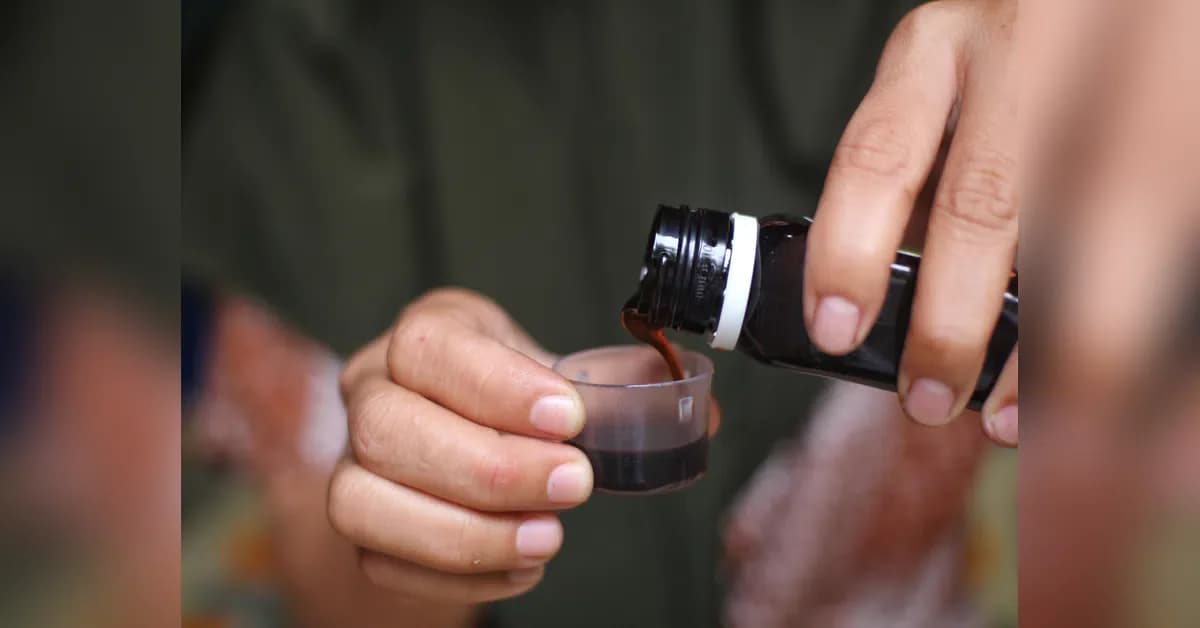
The Centre has tightened the sale of liquid medicines containing high levels of alcohol, moving them into the restricted Schedule H1 category to curb misuse. According to a health ministry statement, oral liquid medicines containing more than 12% ethyl alcohol and sold in bottles larger than 30 ml have been moved to this restricted category. The products include cough syrups, aromatic preparations such as tinctures of cardamom and ginger, tonics and other medicinal mixtures that were previously exempt from stricter sales controls under Schedule K. The Union Ministry of Health and Family Welfare has issued a gazette notification strictly banning the over-the-counter sale of these high-alcohol formulations, requiring a doctor's prescription for purchase. The Central Government has amended the Drugs Rules, 1945, ending their over-the-counter availability and placing them under stringent regulatory controls. The amendment, notified on July 8 as the Drugs (Tenth Amendment) Rules, 2026, will come into force six months after its publication in the Official Gazette.
With their inclusion under Schedule H1, these medicines can now be sold only against the prescription of a registered medical practitioner and supplied only through regulated pharmaceutical distribution chain. As reported by the health ministry, this change reduces the risk of diversion and misuse while preserving access for legitimate therapeutic use. The ministry noted that some formulations contain alcohol concentrations of up to 80-90%, making them susceptible to misuse for intoxication. Under the stringent Schedule H1 classification, retail pharmacies across the country must now adhere to strict regulatory compliance guidelines. Pharmacists are legally obligated to dispense these specific formulations only against a valid prescription from a registered medical practitioner. The government notified the change through the Gazette of India under the Drugs (Fifth Amendment) Rules, 2026.
The decision follows consultations with the Drugs Technical Advisory Board and requests from several state governments to curb misuse of these products. According to the ministry, pharmacies will have to maintain stricter sales records, while manufacturers and sellers will be required to obtain licenses under the Drugs and Cosmetics Act, 1940. Chemists and manufacturers have been given six months to comply with the new regulation before it officially starts. The amendment removes the Schedule K exemption for these medicinal formulations, requiring licensed pharmacies to dispense them only against a valid prescription. The amendments also shift these products to Schedule H1 of the Drugs Rules, 1945, meaning they can now be sold only on the prescription of a registered medical practitioner and will be subject to stricter record-keeping requirements. Under the new rules, pharmacies will also be required to have a valid retail sale licence to dispense these oral formulations, with the new rules coming into force by January 2027.
The existing provisions under the Drugs Rules already prescribe alcohol limits for several traditional systems of medicine. Under Rule 161, Ayurvedic, Siddha and Unani syrups are permitted to contain a maximum of 16% alcohol, while Rule 106B limits the alcohol content in Homoeopathic medicines to 12%. The ministry emphasized that certain medicinal products, including tinctures of cardamom, ginger and other aromatic preparations, had been exempt from licensing requirements under Schedule K. However, some of these formulations contain very high concentrations of ethyl alcohol, in some cases up to 80-90% v/v, making them susceptible to misuse for intoxication. As per a person familiar with the matter, "This exemption led to the sale of some products with ethyl alcohol content as high as 80%, despite being marketed as medicinal preparations." A senior official with a state licensing authority told Business Standard that "certain manufacturers in rural areas and smaller cities were exploiting this loophole by manufacturing tinctures with very high alcohol content and only a hint of ginger or cardamom."
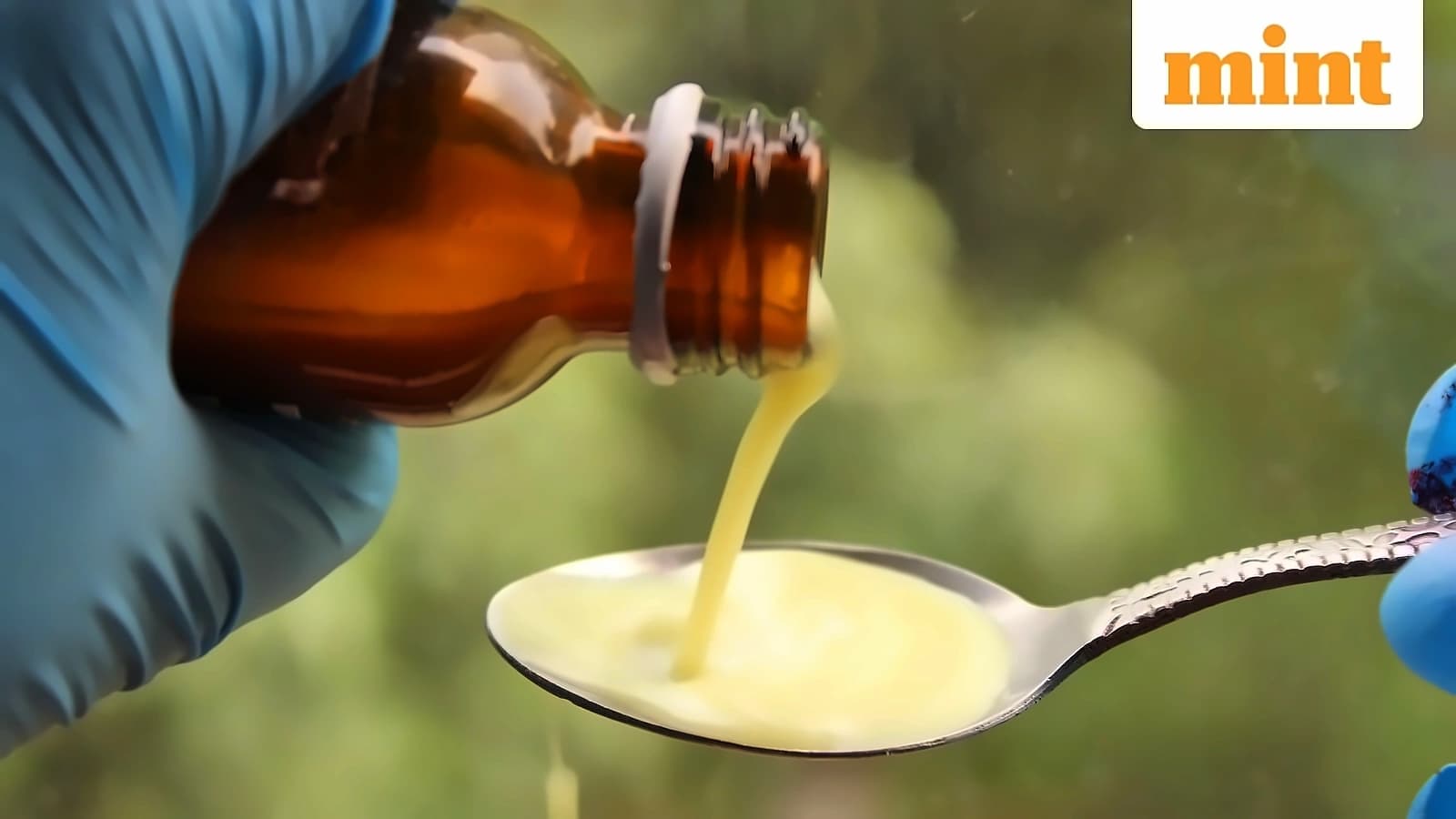
The tightening comes amid rapid expansion in India's pharmaceutical industry which is projected to cross ₹60 billion in 2026. As reported by the ministry, the market is expected to nearly double to about ₹130 billion by 2030, prompting greater emphasis on compliance, traceability and responsible use of medicines. The newly covered alcohol-containing oral formulations will now be regulated under the same framework as Schedule H1 already covers medicines including certain antibiotics, anti-tuberculosis drugs and other medicines that require stricter regulatory oversight because of concerns over misuse and public health. The initiative aligns with the government's continued efforts to strengthen the regulatory framework for drugs and promote rational use of medicinal products while safeguarding public health. Under the new regulations, pharmacists must maintain a separate register recording the patient's name, the prescribing doctor's details, the name of the medicine and the quantity supplied, with these records preserved for a minimum of three years for routine inspection by drug control authorities. The move follows reports from several state drug regulatory authorities indicating misuse and hoarding of oral formulations with high ethyl alcohol concentration for intoxication purposes.