The Supreme Court on Wednesday sought responses from the Centre and others on a plea seeking direction to forthwith ban the sale of alcohol in packaging such as tetra packs and sachets. According to reports from PTI, a bench of Chief Justice Surya Kant and Justices Joymalya Bagchi and Vipul M Pancholi agreed to hear the petition filed by organisation 'Community Against Drunken Driving'. The court issued notices to the Centre and others, including the excise departments of all the states, and agreed to hear the petition. The matter was heard by a bench comprising Chief Justice Surya Kant and Justices Joymalya Bagchi and Vipul M Pancholi, with the bench agreeing to examine the matter.
Advocate Vipin Nair, appearing for the petitioner, argued that the definition of bottle was 'vague' under the excise regime and some standardisation was required. As reported by PTI, when he referred to the packaging of some liquors in tetra packs bearing photos of a green apple, the bench observed, 'This is very deceptive'. Nair stated that 'They are confusing fruit juice with liquor. They use photo of apple and the pack contains Vodka' and added that the State has the duty to protect the health of citizens. The petitioner has sought a direction to the Centre to frame a policy applicable to all states and Union Territories and to forthwith ban the sale of alcohol in packaging such as tetra packs and sachets. The plea highlighted that alcohol, particularly cheaper alcohol, is being sold in inconspicuous packaging viz portable PET bottles, plastic sachets, and tetra packs in various states across the nation. These packages pose various risks including consumption by juveniles, drinking in a moving vehicle, health risks, increased ease of smuggling, ease of public consumption and environmental issues. The plea noted that 'Moreover, these tetra packs have attractive packaging with vivid colours but do not have prominent health warnings like in the case of cigarettes, which would dissuade people from drunken driving'. The plea stated that 'A warning, if any, was only in fine print hardly visible or discernible to a consumer'.
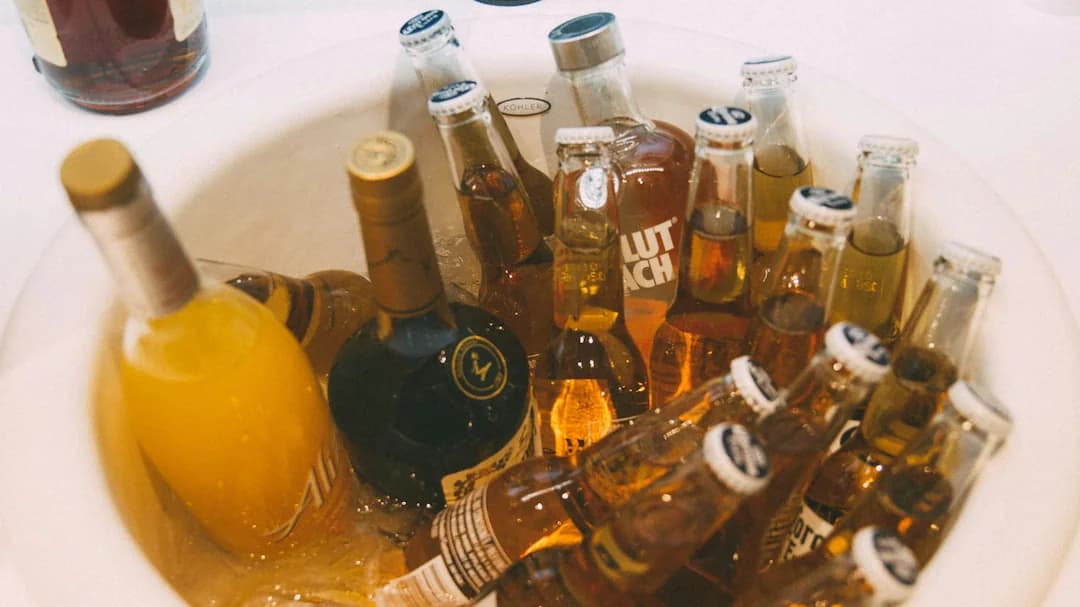
The plea highlighted alarming marketing practices where alcohol is being sold in packaging that is deceptively similar to fruit juices, facilitating easy access and concealment. According to PTI, these packages are marketed under labels such as 'Bunty Premium Vodka,' 'Chelli Mango Vodka,' and 'Premium Romanov Vodka – Apple Thrill,' clearly intended to mislead consumers. The petition noted that 'The use of fruit names alongside colour photographs of apples and mangoes on the packaging further reinforces this deception'. This reflects a deliberate marketing strategy to pass off alcoholic beverages as fruit juices, thereby to evade scrutiny by the authorities and further target underage consumers. The plea stated that such packaging, being deceptively similar to fruit juices, facilitates easy access and concealment, encourages underage consumption, promotes public drinking and drunk driving, and even enables smuggling across state borders.
The plea has sought a direction to the Centre to frame a policy in respect of the states to amend their respective excise Acts, rules, and policies forthwith. According to PTI, it has also sought a direction to the Centre to frame a policy in respect of the states to amend their respective excise Acts, rules, and policies by adopting uniform definitions of 'bottling' limited to glass containers or other visibly distinct receptacles. This would standardize the packaging regulations across all jurisdictions and address the current situation where every Excise Act had its own definition of 'bottle' and invariably all excise laws confer wide discretion on authorities to permit various types of packages for liquor. The petitioner has sought uniform and harmonised guidelines governing the packaging of liquor across states, raising concerns relating to underage drinking, drunk driving, public consumption, and public health. The plea questioned the extent of discretion exercised by state excise authorities in permitting varied forms of liquor packaging and sought a uniform regulatory framework guided by public health and safety considerations.
The hearing came weeks after the Supreme Court declined to entertain a similar public interest litigation challenging Uttar Pradesh's policy allowing country liquor to be sold in tetra packs. According to PTI, the court had then asked the petitioner to first approach state authorities. Earlier, a bench headed by Chief Justice Surya Kant disposed of a PIL filed by Meenakshi Shree Tiwari, allowing her to submit a representation before the competent authorities in Uttar Pradesh. In that matter, advocate Ashok Pande argued that liquor sold in tetra packs was 'easily reaching educational institutions in the state and spoiling the atmosphere there.' He also told the court that such availability and consumption 'may be one of the key reasons for the rise in crimes.' The Uttar Pradesh government defended the move under its revised excise policy, saying country liquor, which was earlier sold in glass bottles, would now be compulsorily sold in tetra packs to improve safety standards and prevent adulteration. The revised excise policy also introduced an e-lottery system for the allotment of liquor and bhang shops.