Pharmaceutical stocks declined significantly on Tuesday following the Centre's decision to tighten regulations on cough syrup sales. Mankind Pharma fell 1.11%, Abbott India declined 1.07%, Cipla slipped 0.52%, Dr. Reddy's Laboratories shed 0.40%, Glenmark Pharmaceuticals lost 0.17%, while Sun Pharmaceutical Industries eased 0.08%. The broader Nifty Pharma index also traded lower, falling 0.47% to 24,220.10, reflecting investor concerns over the regulatory changes. The decline comes after the Union Ministry of Health and Family Welfare notified amendments to the Drugs Rules, 1945, bringing all syrup formulations under stricter oversight with immediate effect.
The Union Ministry of Health and Family Welfare has mandated that all syrups, including cough syrups, are now prescription-only, effective Tuesday. This new regulation requires consumers to present a valid doctor's prescription from a registered medical practitioner to purchase any syrup formulation from pharmacies. The notification, which came into effect on Tuesday, makes syrup formulations unavailable over the counter without proper medical documentation. As per Press Trust of India, the amendment has been notified through the Drugs (Fifth Amendment) Rules, 2026, published in the official gazette, with the policy change coming into force with immediate effect from the date of publication. This move follows the notification of the Drugs (Fifth Amendment) Rules, 2026, issued by the Department of Health and Family Welfare on June 9, 2026, which specifically omitted the word 'Syrups' from Schedule K of the Drugs Rules, 1945. The decision effectively ends the over-the-counter sale of syrup formulations that earlier enjoyed regulatory exemptions under Schedule K, bringing them under stricter oversight and prescription-based dispensing.
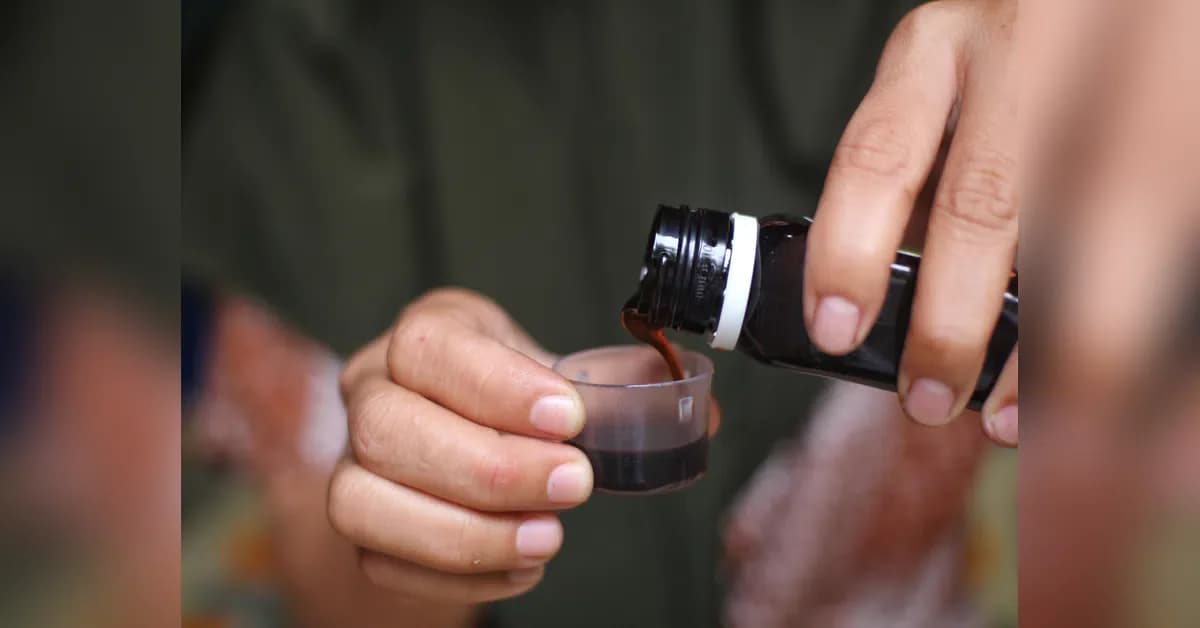
The government has tightened regulations by withdrawing an exemption that previously allowed the sale of cough syrups in villages with a population of less than 1,000 without certain retail licensing requirements. Under the revised rules, cough syrups can now be sold and dispensed only through licensed pharmacies, irrespective of village size. The amendment was notified through a gazette notification issued by the government, with the ministry stating that the move is intended to strengthen regulatory oversight of syrup formulations and align the framework with current public health and safety requirements. According to the ministry, the move is expected to encourage responsible distribution of cough syrups and improve compliance with regulatory standards. Manufacturers, distributors and retailers have been advised to adhere to the provisions of the Drugs and Cosmetics Act and related rules. As per Business Standard, the move follows recommendations by the Drugs Consultative Committee (DCC) of the Central Drugs Standard Control Organisation (CDSCO), which noted that several medicinal syrups were being misused or illegally sold.
The regulatory changes significantly impact major pharmaceutical companies with cough syrup portfolios. Cipla, which markets Cofsils and Tusq products, was among the most affected stocks. Sun Pharma, which sells brands such as Chericof, Zedex and Corex DX, also saw declines. Dr. Reddy's, which has Zedex and Bro-Zedex variants in its portfolio, was down 0.40%. Glenmark, the maker of the Ascoril range of cough syrups, declined 0.17% to ₹2,144.50. Mankind Pharma fell 1.11% and Abbott India declined 1.07%, reflecting the broader impact across the pharmaceutical sector. The new rules will require pharmacies to maintain stricter compliance, including prescription verification and record-keeping for syrup sales, with companies now liable under regional drug enforcement protocols if they fail to demand verifiable medical documentation prior to transactions.
The regulatory tightening could reshape rural purchasing patterns, with Ayurvedic and Ayush medications generating ₹171 crore in sales during July 2025-June 2026, according to market research firm Pharmarack. The overall cough and cold market is estimated at around ₹6,700 crore, highlighting significant growth potential if demand shifts towards Ayush remedies. As per Business Standard, rural markets are major consumers of cough syrups, with Vidarbha, Madhya Pradesh, Chhattisgarh and Jharkhand among the key markets. An executive with a Delhi-based pharma company noted that there may be an initial shift towards products that remain more readily accessible, including Ayush syrups such as Honitus (Dabur India), Koflet (Himalaya Wellness), Tulsi Cough Syrup (Zandu, part of Emami) and other regional brands. However, experts warn that the effect will be uneven, depending on whether purchases are self-directed or doctor-directed, with rural areas facing challenges as up to 75% of primary care is handled by rural medical practitioners or unqualified chemists who often prescribe syrups without diagnostics.