The government is planning to introduce a comprehensive scheme to promote clean technologies in steelmaking processes with an outlay of ₹5,000 crore, according to official reports from The Times of India. The scheme, named National Strategy for Sustainable Secondary Steel, is expected to be launched within the next three months and may require approval from the union cabinet, as reported by PTI. The initiative aims to reduce carbon emissions from India's domestic steel industry through the adoption of clean technologies and alternative materials across various steelmaking processes.
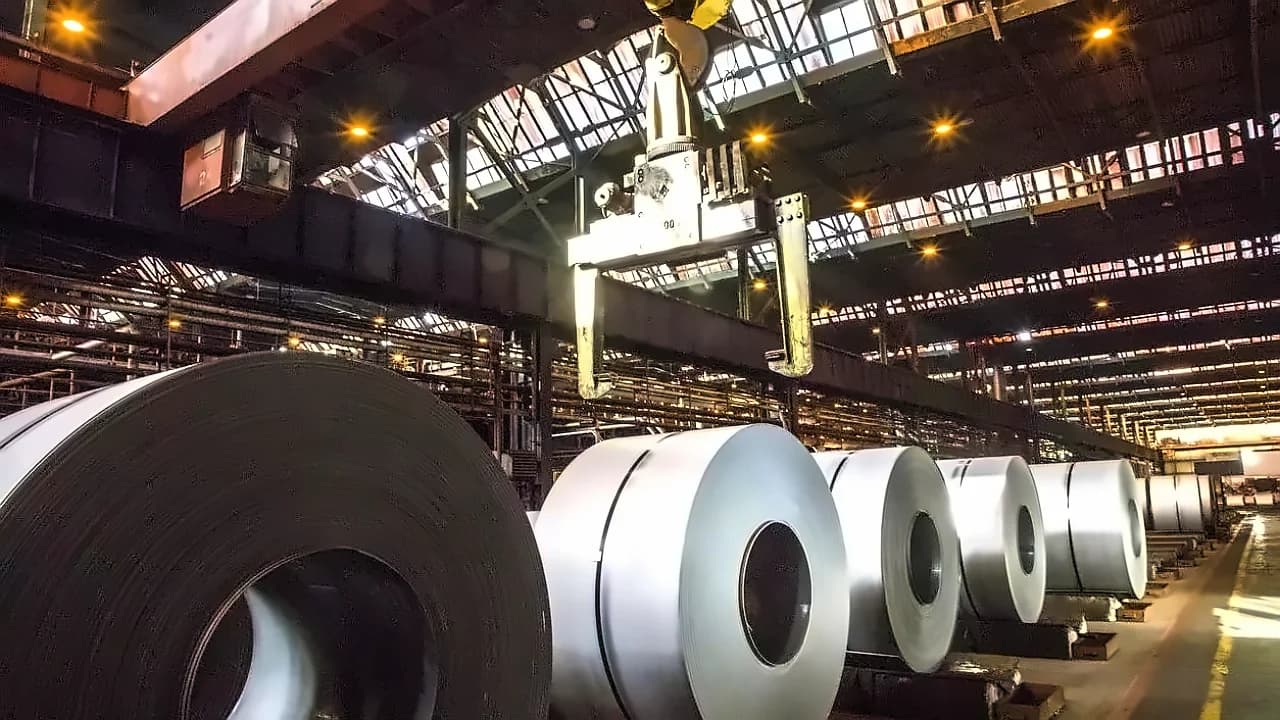
The scheme will cover all steelmakers in the country, with a major share of the funds earmarked for secondary players, according to government officials. This targeted approach reflects the government's focus on supporting smaller and medium-scale steel producers in their transition to cleaner manufacturing processes. The initiative represents a significant financial commitment to help the steel sector reduce its environmental footprint while maintaining competitiveness in the global market.
India's steel industry accounts for 10-12 per cent of the country's greenhouse gas emissions with an emission intensity of 2.55 tonnes CO2 per tonne of crude steel, which is higher than the global average of around 1.9 tonnes CO2 emissions, according to official data from The Times of India. The steel sector is among the largest carbon-emitting industries in the country. The move assumes significance as India is a signatory to the Paris Agreement and has committed to achieving net-zero emissions, making this initiative crucial for meeting international climate commitments.
The National Strategy for Sustainable Secondary Steel represents a strategic approach to address India's steel industry's environmental challenges while supporting industrial growth. By focusing on secondary players, the scheme aims to ensure broad-based adoption of clean technologies across the steel sector, potentially setting a precedent for similar initiatives in other carbon-intensive industries. The initiative aligns with India's commitment to sustainable development and its goal of achieving net-zero emissions by the specified timeline.