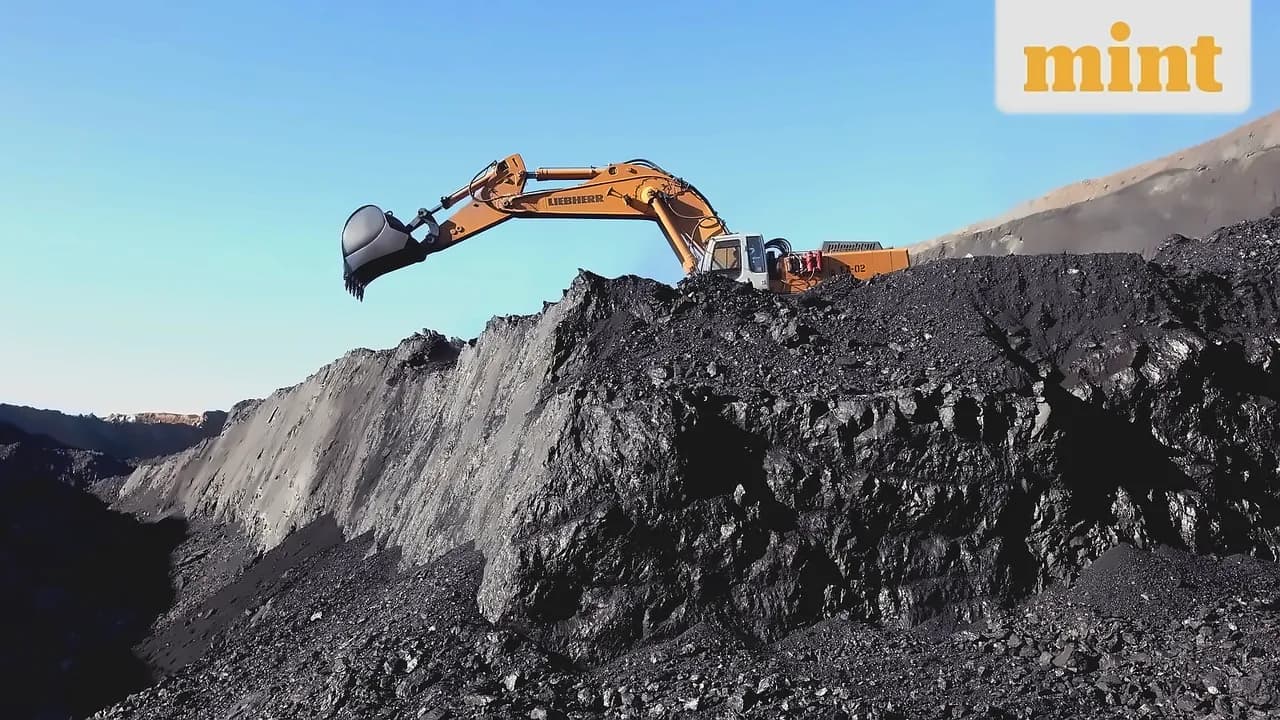
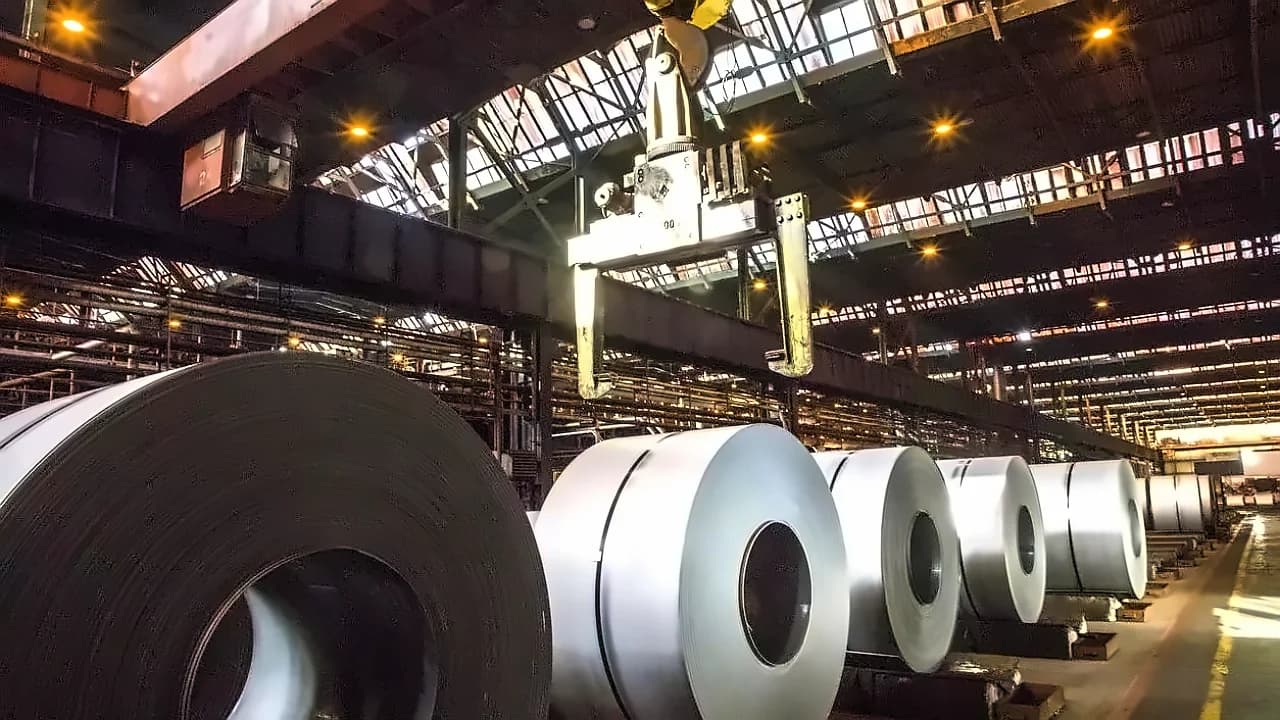
The government is considering mandating up to 30% blending of domestic coking coal with imported coal for all new steel capacities expected to be commissioned by 2030, as reported by Mint. This represents a significant increase from the current maximum of 20% domestic coal usage in steel plant operations. According to sources familiar with the development, the blending mandate is expected to reduce the cost of importing coking coal by almost 25%. The policy aims to reduce import dependence and boost local coal usage while ensuring assured supply of fuel required for steelmaking. Simultaneously, the Centre has introduced a ₹5,000 crore incentive mechanism for states to undertake mining sector reforms and accelerate production under the Scheme for Special Assistance to States for Capital Investment (SASCI) for the 2026–27 fiscal year.
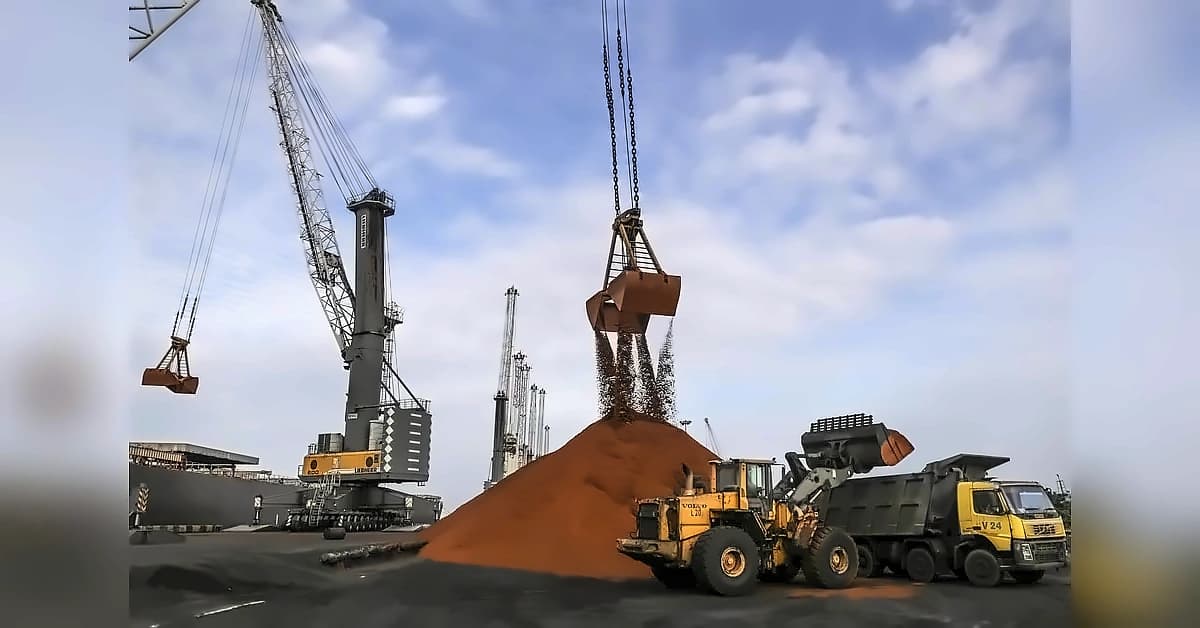
India currently imports around 250 million tonnes of coal annually, with coking coal comprising a fourth of total imports used by the steel industry. As reported by Mint, the country imported 57 million tonnes of coking coal in FY25 valued at over ₹1 trillion. Under India's National Steel Policy, plants with 150 million tonnes capacity are expected to come on stream by 2030, with the policy proposing to raise India's crude steel production from 168 million tonnes in FY26 to 300 million tonnes by FY31. Steelmakers currently import relatively purer coking coal suitable for metallurgy, while Indian coal typically has high amounts of ash and sulfur, which reduce blast furnace efficiency.
Currently, Indian steel plants are able to blend domestic coal only up to about 20%, highlighting the need for technological adjustments and new capacity to accommodate higher blending levels. According to Mint, coal washeries help clean up impurities and make domestic coal suitable for steelmaking. The government is also looking at implementing stamp-charging technology to increase domestic coal blending from 10-20% to 30% for steel making. This technology involves compacting coal into a dense, solid cake outside the oven, which is then pushed into the coke oven, offering advantages for utilizing lower-quality domestic coal.
Under Mission Coking Coal, domestic raw coking coal production is likely to reach 140 million tonnes by 2030, compared to the total domestic raw coking coal production of 59.6 million tonnes during FY25. The domestic raw coking coal production target for FY26 was set at 83 million tonnes. Washing capacity for coking coal in India is currently low at just around 30 million tonnes, which will increase to 58 million tonnes by 2030. Despite the steel industry currently consuming around 80 million tonnes of coking coal, about 60 million tonnes of fuel is imported, primarily due to poor quality of domestic coking coal with high ash and sulphur content.
The ₹5,000 crore SASCI scheme provides financial incentives across three key reform areas: mining reform implementation (up to ₹100 crore per state), faster mineral block auctions (₹20 crore per block), and State Mining Readiness Index performance (₹100 crore, ₹75 crore, and ₹50 crore for top three states respectively). According to AS Firoz, former steel ministry chief economist and metal sector expert, the priority is to establish adequate domestic capacity to supply acceptable grades of washed coking coal. He noted that domestic supplies of washed coking coal have not been absorbed in the market, indicating unlikely supply constraints for new capacities. The policy move is expected to have some impact on blast furnace efficiency, which may consequently raise production cost, requiring domestic coal prices to be lowered. The 30% mandate will apply to existing steel capacities too as availability of good quality domestic washed coal improves.