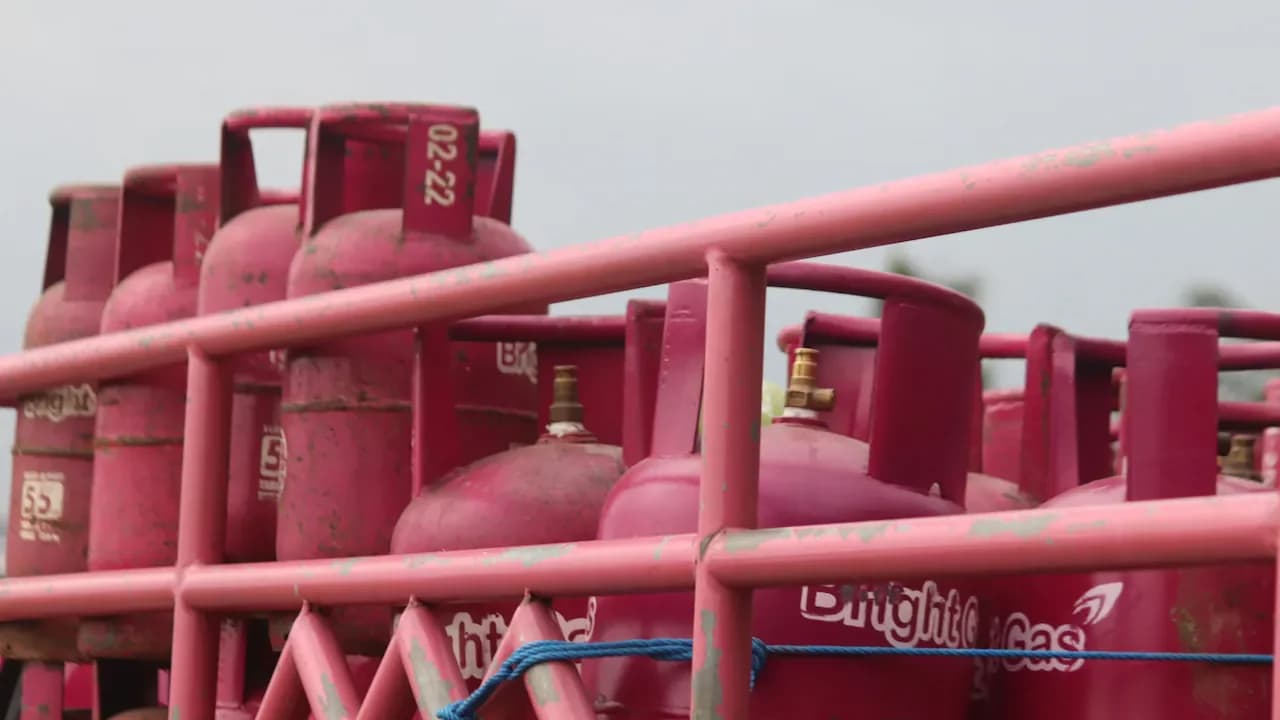
The government has removed all sectoral restrictions on commercial LPG supplies and restored supplies to pre-crisis levels following the easing of geopolitical tensions in West Asia. According to the Ministry of Petroleum and Natural Gas, this policy shift comes after coordinated US-Israel strikes on Iran on February 28, which prompted Tehran to shut the vital Strait of Hormuz, crucial to the transit of a fifth of global fuel supply. Commercial and industrial consumers can now receive up to 50% of their pre-crisis bulk LPG consumption, marking a significant policy shift from the temporary restrictions that had impacted commercial LPG operations across the country. The restoration comes after the LPG supply situation has recently improved, with the government maintaining its top responsibility to guarantee LPG availability to domestic customers throughout the nation.
The Centre has removed all sectoral restrictions on the supply of Non-Domestic Packed LPG following the reopening of the Strait of Hormuz and improvement in the LPG supply situation. As reported by the Ministry of Petroleum and Natural Gas, this policy adjustment comes after higher domestic LPG production and expected availability of imported LPG cargoes, which have helped reduce geopolitical uncertainties affecting energy supply chains. During the West Asia crisis, the government had invoked the Essential Commodities Act to direct that C3-C4 streams be used only for LPG production, diverting feedstock away from petrochemical and other downstream sectors. The government has now decided to decrease the diversion of C3/C4 streams to the LPG pool and allow increased distribution of these streams for non-LPG purposes, while ensuring domestic LPG availability remains unaffected and total indigenous LPG production is kept at a minimum of 40 TMT per day. The ministry's Center of High Technology has been instructed to allocate the improved C3/C4 streams for the petrochemical industry and other crucial sectors organization-wise and provide regular reports to the Ministry.
The restoration of commercial LPG supplies indicates that the government has confidence in the stabilization of energy supply routes. Oil Marketing Companies' coordinated efforts and prompt policy interventions helped sustain steady supplies despite difficult global supply chains. The government has instructed oil marketing companies to maintain up-to-date complete data on commercial and industrial LPG consumers to help in planning and supply management, with a unified sectoral database to be maintained across companies to strengthen monitoring and coordination. The choice demonstrates the government's deliberate strategy for guaranteeing the country's energy security while striking a balance between the country's energy requirements and its ongoing dedication to increasing access to safer, cleaner, and more effective fuels.
The government remains committed to expanding piped natural gas (PNG) connectivity as part of its long-term energy strategy. According to the Ministry of Petroleum and Natural Gas, commercial and bulk consumers who have already shifted to PNG will continue to remain on PNG, while other eligible LPG consumers who have access to PNG networks, or are in the process of shifting, will be progressively moved to PNG in coordination with city gas distribution entities. The government has also asked oil marketing companies to continue maintaining detailed data on commercial and industrial LPG consumers to help in planning and supply management, with a unified sectoral database to be maintained across companies to strengthen monitoring and coordination. The Secretary, Ministry of Petroleum and Natural Gas, has written to the Chief Secretaries of all States and Union Territories for ensuring smooth implementation of the revised supply arrangements.