Pakistan has implemented comprehensive lockdown-like measures as escalating Middle East conflict threatens energy supplies and raises fuel costs. The government has enforced 9 p.m. market closures and cut fuel allocations for government vehicles by 50% for the next three months, according to Dawn. These measures, effective immediately, were outlined in a Cabinet Division notification issued on September 17. The restrictions are designed to manage fuel scarcity while maintaining essential services, with pharmacies, hospitals, and essential services exempt from the new time restrictions.
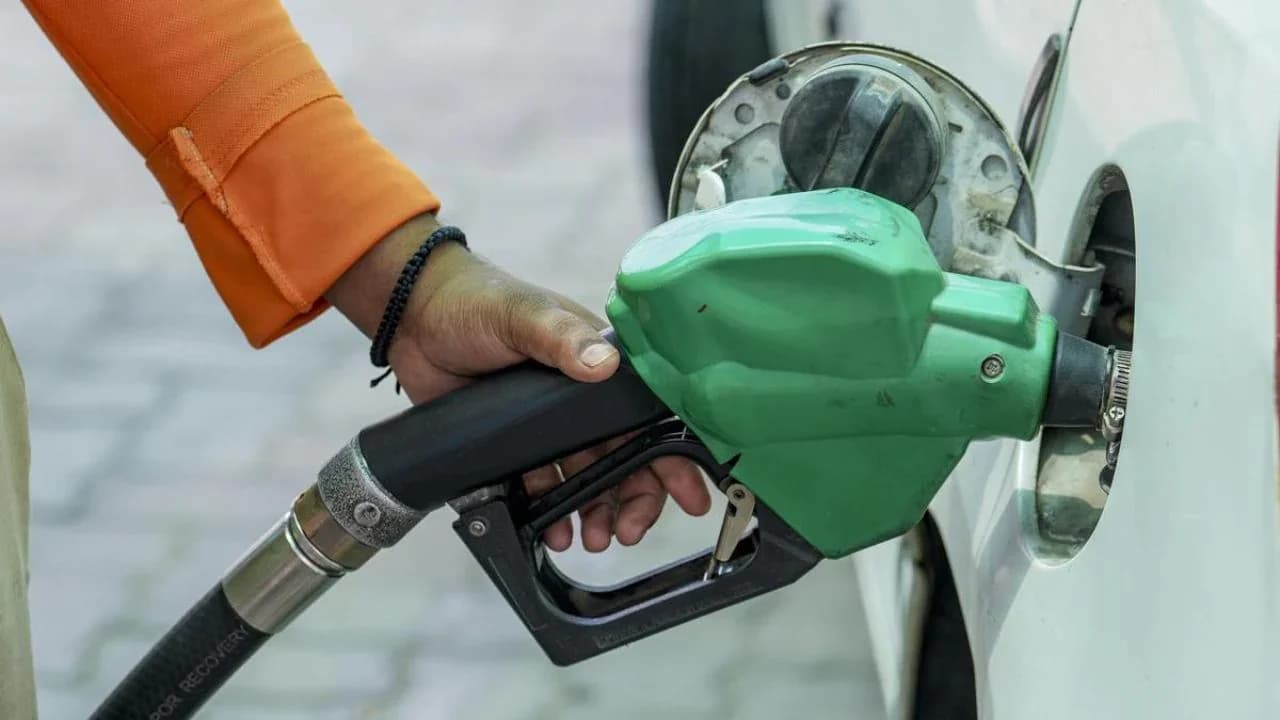
Pakistan's government raised petrol prices by ₹4.10 per litre and high-speed diesel by ₹6.41 per litre on Tuesday night, taking petrol to ₹380.24 per litre and diesel to ₹409.42 per litre, according to PTI. The hike was announced alongside official warnings over potential disruptions to oil supplies due to deteriorating security situation around the Hormuz and Bab-el-Mandeb straits. Oil prices rose as concerns over supply disruptions persisted after attacks on Saudi Arabian energy infrastructure left the kingdom's East-West pipeline offline and cast doubt on efforts to ease shipping risks in the Gulf. Brent crude futures rose $1.37, or 1.3%, to $107.05 a barrel, while US West Texas Intermediate futures were up $1.53, or 1.51%, at $102.92 a barrel. Commodity vessel traffic through the Strait of Hormuz dropped to fewer than 10 transits a day over the weekend, from a 10-day average of 14, raising concerns over a route that typically carried about one-fifth of global oil supplies before the US-Israeli war on Iran began on February 28.
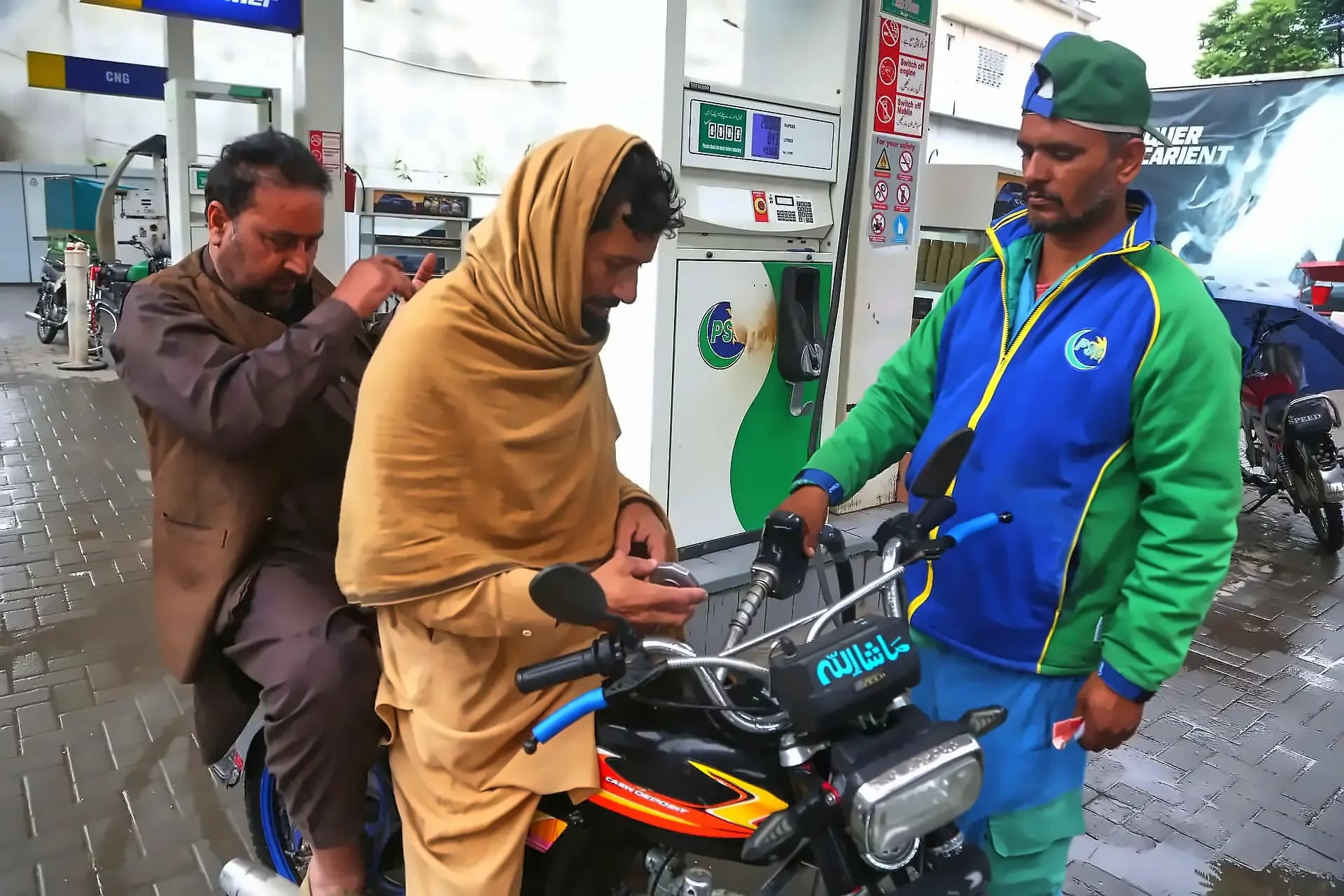
Chaudhry announced that the government was providing targeted subsidies for three-wheelers and vehicles up to 800cc for three months, with public representatives being assigned responsibilities to guide people about the scheme. The minister said the government was performing its duty and those repeatedly attempting to move towards Islamabad should reconsider their approach. Responding to PTI's demands, he questioned "If they think they are coming to change the system, will the system change because of their arrival?" and added "Will the prime minister resign just because they ring the bell at the prime minister's door and ask him to step down?" The government has also detailed the process for applying for its targeted petrol subsidy, announced by PM Shehbaz as a special relief scheme offering a ₹100-per-litre reduction in petrol prices for motorcycles, rickshaws, Qingqi rickshaws and cars with engines of up to 800cc.
Information Minister Ataullah Tarar said consultations were under way on bringing back some of the previous austerity measures as renewed hostilities in the Middle East threaten to push up oil prices and disrupt fuel supplies. "Austerity measures previously taken were being reviewed to assess which of the previous measures need to be revived in the present situation," Tarar said, adding that "a decision would be taken soon." The austerity measures were initially announced on March 9 to mitigate the economic impact of the ongoing US-Iran war and included a 50 per cent cut in fuel allowances for official vehicles, salary cuts for lawmakers and a partial work-from-home policy in the public sector. The government ended these measures on June 19, except for market timings, but in July, it emerged that the government was considering reverting to fuel conservation measures.
According to PTI, Leghari said Pakistan had kept its power plants running despite fuel shortages by maximising use of domestic energy sources, which accounted for 72% of total electricity generation in August. The government faces pressure from the Jamaat-i-Islami party, which has threatened nationwide protests next week if prices are not cut. In August 2026, 72% of total electricity generation was sourced from domestic resources, including hydel (38pc), local coal (11pc), nuclear (10pc), local gas (7pc), wind (6pc) and solar energy (1pc), while only 28pc came from imported coal and RLNG, as reported by Rediff Moneynews. A National Steering Committee on Fuel Subsidy, chaired by Deputy Prime Minister Ishaq Dar, has ordered that payments to fuel stations be processed within 24 hours.