The Centre has notified the Liquefied Petroleum Gas (Regulation of Supply and Distribution) Amendment Order, 2026, offering significant flexibility to domestic LPG consumers who shift to piped natural gas (PNG) connections. According to the latest notification from the Ministry of Petroleum & Natural Gas, the amendment came into effect on May 25, 2026, and aims to provide additional relaxation and convenience to households that obtain PNG connections, particularly those that may later relocate to areas where PNG infrastructure is unavailable. The amendment changes the Liquefied Petroleum Gas (Regulation of Supply and Distribution) Order, 2000, under the Essential Commodities Act, 1955, providing greater flexibility and convenience to consumers who may subsequently shift to areas where PNG infrastructure may not be feasible.
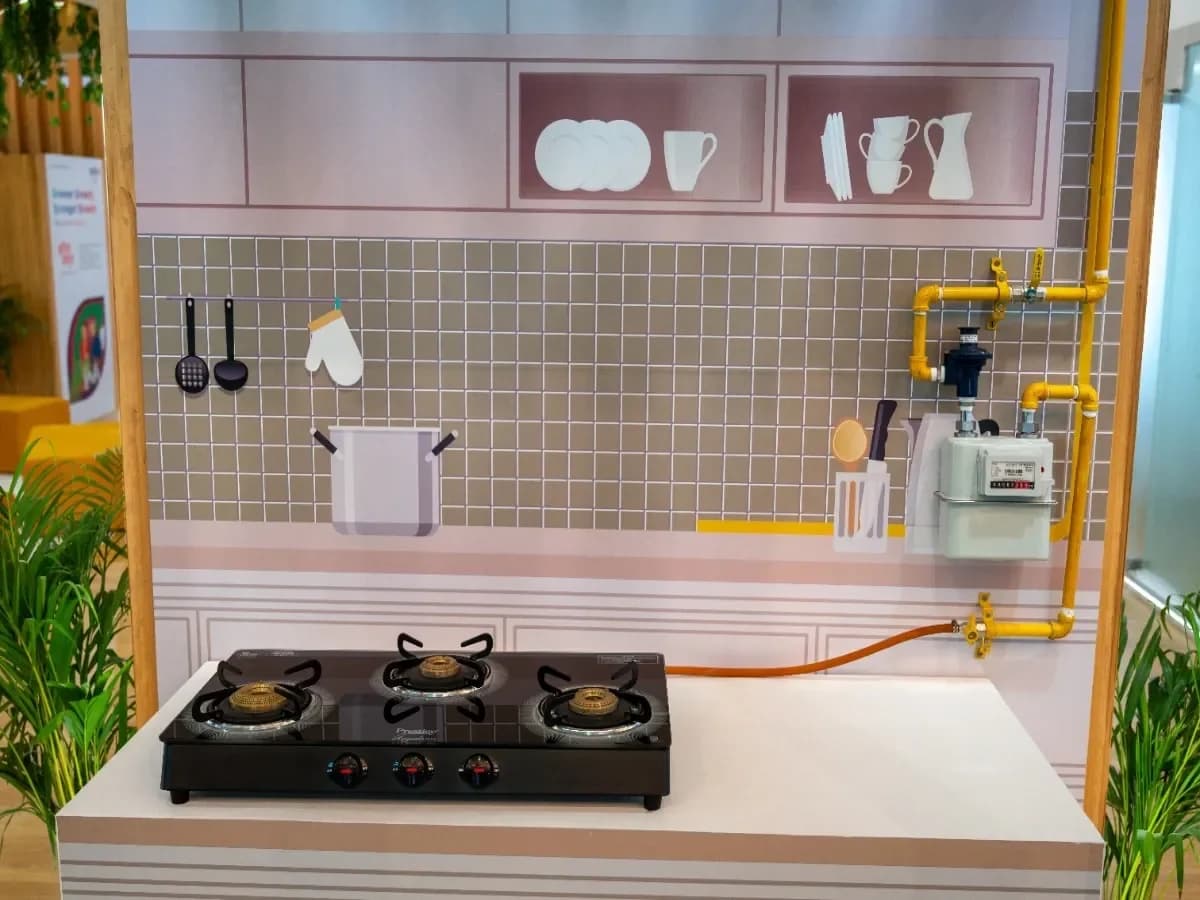
Under the amended provisions, LPG consumers who have PNG connections may apply for termination of the LPG connection within 30 days of obtaining a PNG connection. These consumers may obtain a transfer voucher for future restoration of the LPG connection in a non-PNG area, according to the latest notification. The ministry clarified that "a person or household having a domestic liquefied petroleum gas (LPG) connection and subsequently having obtained a piped natural gas (PNG) connection shall not forthwith take a refill of domestic liquefied petroleum gas (LPG) cylinder." The amendment allows consumers to apply for termination of their LPG connection within 30 days of obtaining the PNG facility, or alternatively opt for a transfer voucher that would enable future restoration of the LPG connection in non-PNG areas. The government expects the transfer voucher system to reduce inconvenience for consumers relocating to places where LPG remains the primary cooking fuel, with the provision being particularly beneficial for transferable employees, migrant households, tenants, students, and families shifting to non-PNG areas.
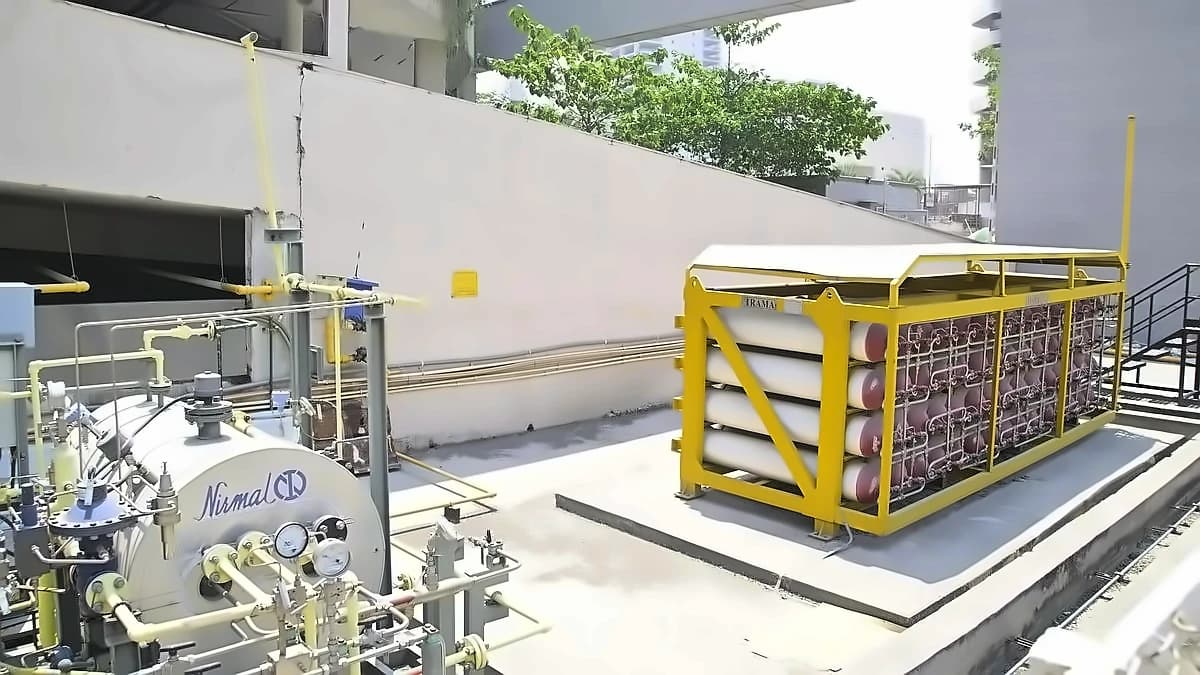
The government has made substantial progress in expanding PNG infrastructure across the country. About 7.99 lakh PNG connections have been gasified and infrastructure created for an additional 2.87 lakh connections, taking the total to 10.86 lakh connections since March this year, according to an official statement. This significant expansion demonstrates the government's commitment to accelerating PNG infrastructure development across the country. The infrastructure creation represents a substantial increase in PNG availability, providing consumers with more options for gas-based cooking solutions.
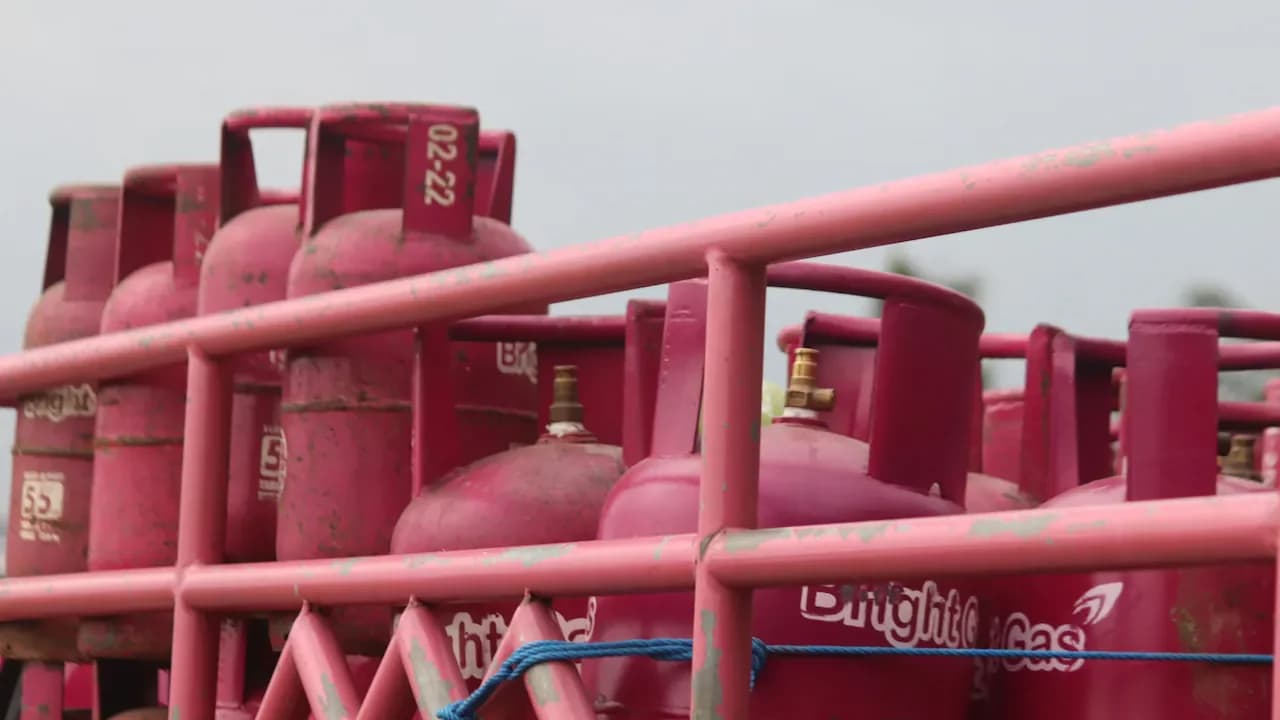
Despite the policy changes, LPG supply remains under severe strain with 68% of Indian households experiencing delivery delays this week, according to a survey by LocalCircles, representing a notable surge from 57% in the previous week. India is currently facing an LPG shortage crisis owing to the ongoing Iran-US conflict and the subsequent blockade of the Strait of Hormuz. The report further stated that 20% of respondents have turned to the black market to supplement their LPG requirements, paying ₹300 to ₹4,000 more compared to the official rate to illegally obtain these cylinders. Despite these challenges, public sector oil companies have organised about 15,400 awareness camps for small 5 kg LPG cylinders and have sold more than 2.45 lakh such cylinders during these camps since April 3 this year. The government has advised citizens to avoid panic purchases and rely on official sources for correct information, while encouraging the use of alternative fuels such as PNG and electric cooktops.