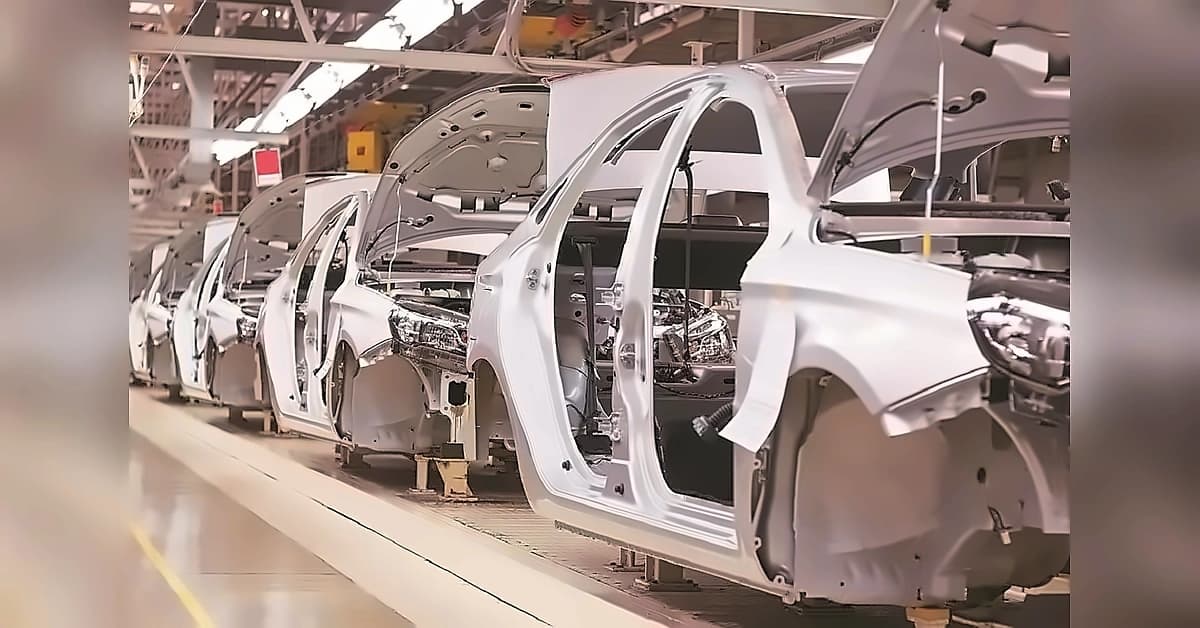
The Ministry of Heavy Industries expects to disburse around ₹4,700 crore in incentives under the production-linked incentive scheme for the automobile sector in 2026-27 (FY27), more than double the roughly ₹2,322 crore paid out during the first two years of the scheme, according to a senior ministry official. About ₹700 crore of the FY27 amount has already been released, with the rest expected to be disbursed in the coming months. The PLI Auto scheme has a total incentive outlay of ₹25,938 crore and was designed to support companies manufacturing electric vehicles and advanced automotive technology components such as traction motors and angle encoders. Incentive disbursements under the scheme will continue until 2028-29, with the scheme initially planned for five years before being extended by one year.
The official revealed that the auto PLI scheme had targeted investments of ₹42,000 crore, while actual investments have crossed ₹45,000 crore, demonstrating strong performance beyond initial expectations. The scheme's incentive disbursement will continue till FY29, with the scheme initially planned for five years before being extended by one year.
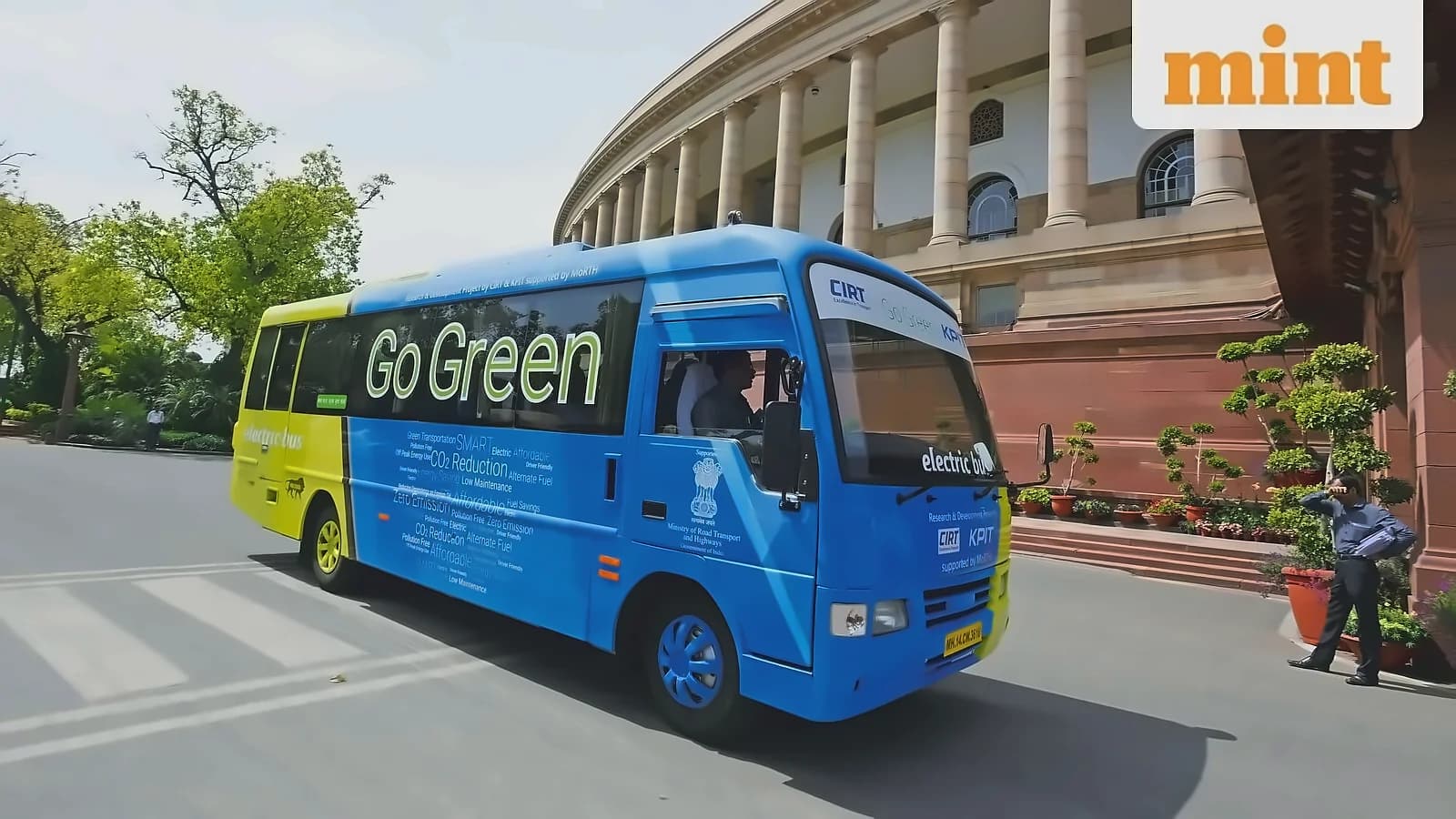
The MHI is considering a financing mechanism to address difficulties faced by electric-bus and truck operators in obtaining loans, as reported by the ministry official. Discussions with banks and vehicle manufacturers have shown that lenders are reluctant to finance electric buses because the resale market for newer technology is not established and there is uncertainty over battery life. When financing is available, interest rates can be significantly higher than those for diesel vehicles, with the industry suggesting the government provide interest subvention to bridge the gap. For example, if an EV loan costs 12% compared with 9% for a diesel vehicle, the government could bear the additional 3 percentage points. The proposed financing mechanism is expected to focus on the 3.5-55-tonne electric-truck segment, where EV penetration remains almost negligible. Fewer than 1,000 electric trucks in this segment have been sold in India so far, according to the official.
The proposed financing mechanism is expected to focus on the 3.5-55-tonne electric-truck segment, where EV penetration remains almost negligible. Fewer than 1,000 electric trucks in this segment have been sold in India so far, according to the official. Smaller trucks have an EV penetration of 3-4%. India sold 951,125 trucks in 2025-26, according to data from the Society of Indian Automobile Manufacturers. A Petroleum Planning & Analysis Cell study found that trucks accounted for 64.2% of diesel sold through surveyed retail outlets, while buses accounted for 4.1%, taking their combined share to 68.3%.
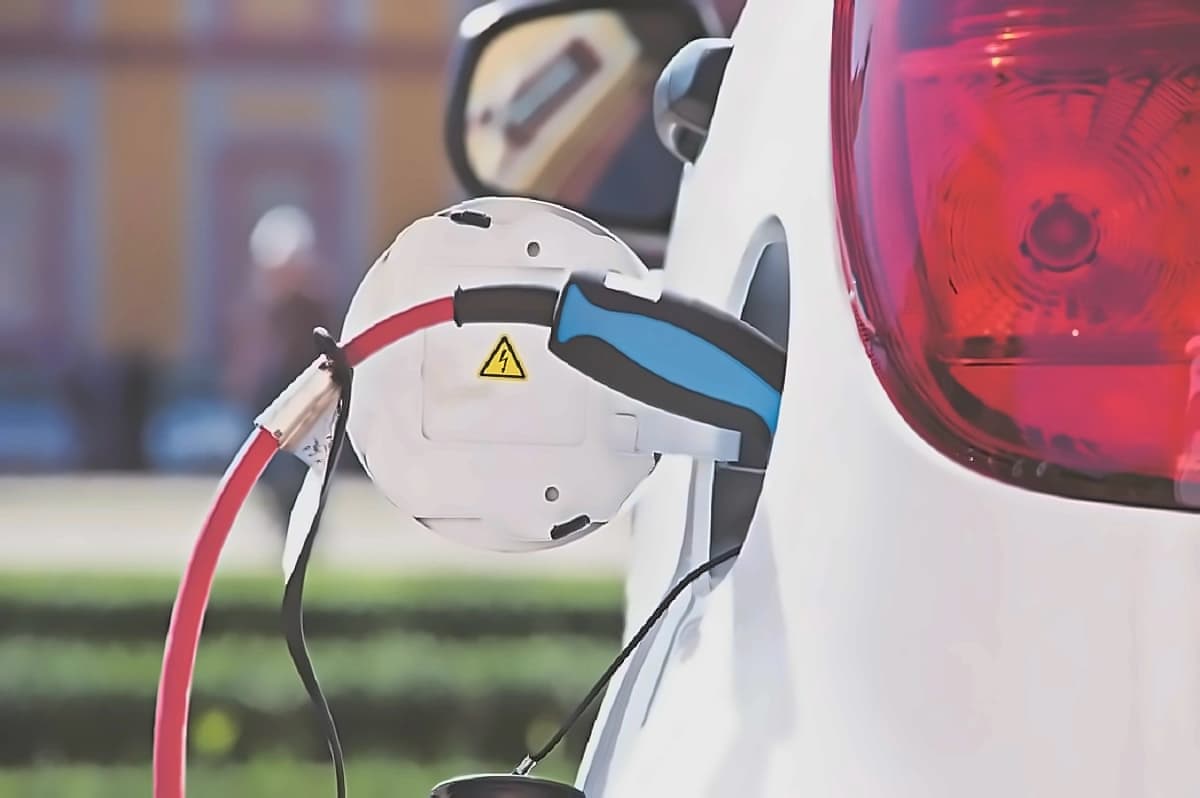
The ministry is examining ways to make charging infrastructure financially viable and attract more private investment, with under Ministry of Power guidelines expecting highways to have a charger for buses and trucks every 100 km and car chargers every 20 km. Charging infrastructure for electric trucks and electric buses remains commercially unviable, the official said. On the Scheme to Promote Manufacturing of Electric Passenger Cars in India (SPMEPCI), aimed at attracting global EV manufacturers, no vehicle manufacturer has shown interest so far, with the ministry not currently planning to reopen the application window. One possible reason for the lack of interest could be India's free trade agreements with Europe and the UK, which provide tariff reductions and may offer companies an alternative route to access the Indian market at lower import duties. Under SPMEPCI, approved companies must invest at least ₹4,150 crore and can import up to 8,000 electric passenger cars a year at a 15% Customs duty for five years. The global tender for the Scheme to Promote Manufacturing of Sintered Rare-Earth Permanent Magnets has received a 'very good response' from Indian and international companies, with India expected to begin domestic production within 1.5-2 years.