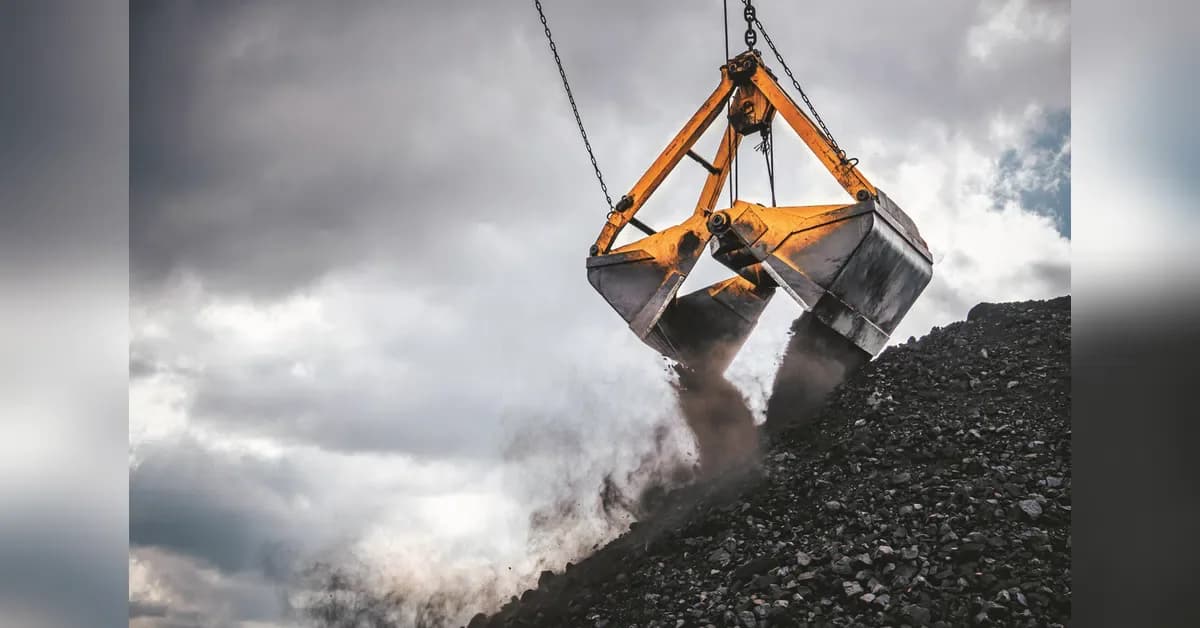
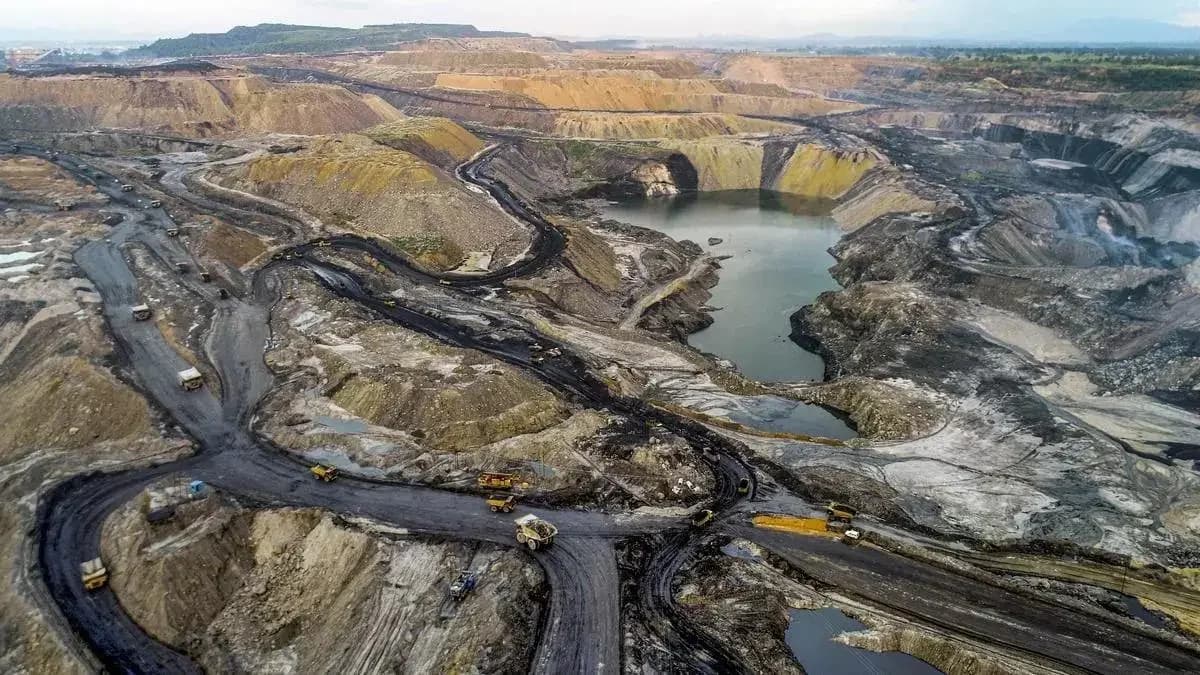
The government has reduced the minimum number of technically qualified bidders from three to two as it launches auctions for 20 critical mineral blocks and 14 exploration licences. According to reports from The Hindu BusinessLine, these changes were notified under the Mineral (Auction) Third Amendment Rules, 2026, on October 16, 2026, and have now been incorporated into the newly announced auctions. The mines ministry stated that this change addresses a key reason blocks have gone unsold in previous tranches.
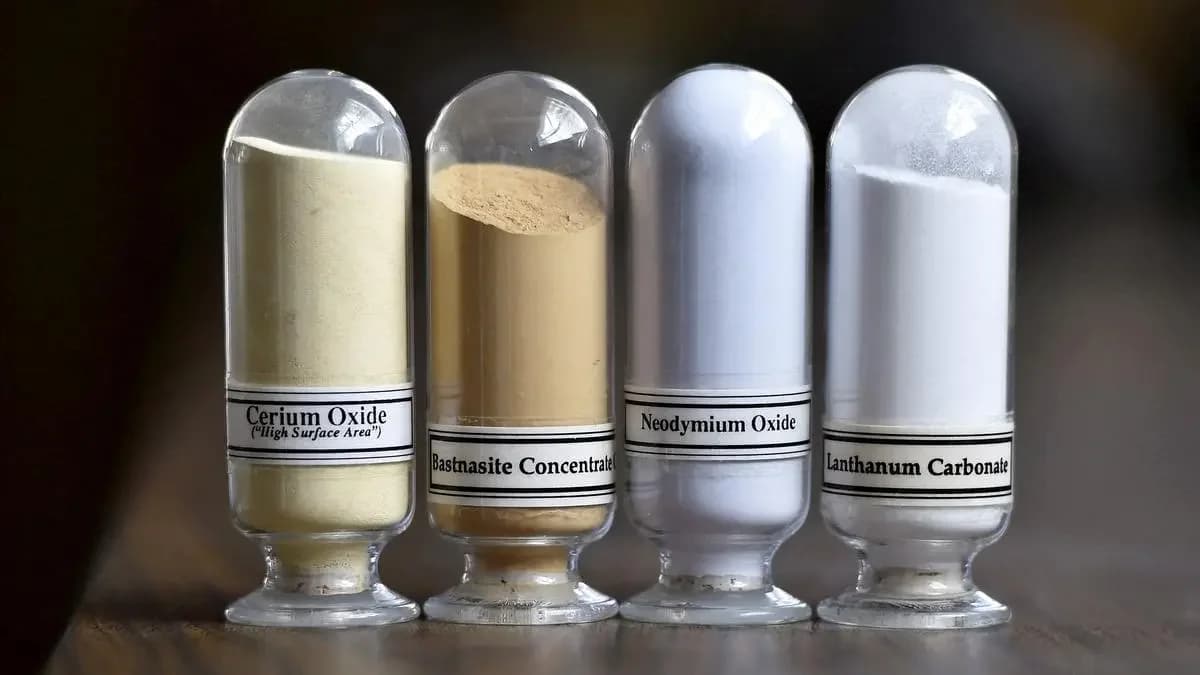
Under the ninth tranche, 20 critical and strategic mineral blocks are being offered across eight states. As reported by The Hindu BusinessLine, Chhattisgarh has the highest number of blocks at five, followed by Rajasthan, Telangana and West Bengal with three each. Madhya Pradesh and Maharashtra have two blocks each, while Andhra Pradesh and Bihar have one block each. The minerals on offer include graphite, glauconite, vanadium, gallium, titanium, rare earth elements (REE), bauxite, aluminous laterite, potash, halite, tungsten, and associated mineralisation. According to the ministry, these blocks include minerals considered important for clean energy technologies, electric mobility, advanced manufacturing, fertilisers, defence, aerospace and electronics.
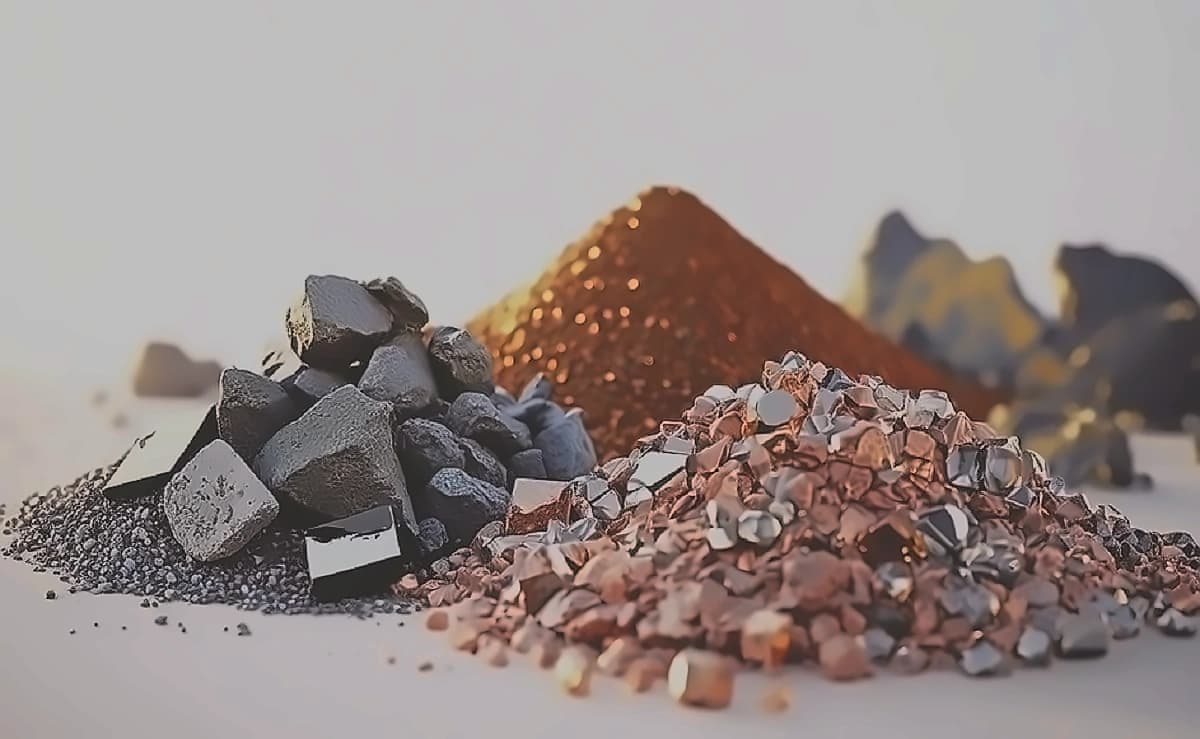
The ministry also launched the third tranche of exploration licence auctions, offering 14 blocks across six states. According to The Hindu BusinessLine, Rajasthan accounts for the highest number of blocks at four, followed by Telangana with three. Madhya Pradesh, Maharashtra, West Bengal and Gujarat have one block each. These exploration licence blocks cover copper, vanadium, rare earth elements, potash and halite, and associated mineralisation. Exploration Licences were introduced through Section 10BA of the Mines and Minerals (Development and Regulation) Act, allowing private companies to participate in exploration of 29 critical and deep-seated minerals before mining begins. So far, 11 exploration licence blocks have been successfully auctioned in the first two tranches.
Union Mines Secretary Keshav Chandra announced that the Centre has introduced substantial subsidies for industries establishing lithium and nickel processing facilities. Speaking at a mining ministers' conference in South Goa, Chandra emphasized that India needs to strengthen domestic capacity to explore and process critical minerals including rare earth elements, lithium and nickel. He highlighted that the availability of critical minerals is crucial for manufacturing permanent magnets and batteries, stating that the government is taking very important steps towards self-sufficiency. The government has also launched a ₹1,500 crore scheme to promote recycling of black mass and electronic waste, with approximately 58 entities now registered under the recycling program.
In the previous eight tranches of critical and strategic mineral block auctions, 100 blocks were offered, of which 64 were successfully auctioned, while 36 remain unsold. As reported by The Hindu BusinessLine, the government has annulled the auctions of several critical mineral blocks as they either received no bids or lacked the mandated three technically qualified bidders. The latest auction follows eight previous tranches in which 100 unique critical and strategic mineral blocks were offered, of which 64 have been successfully auctioned, recording a success rate of 64 per cent. The government aims to strengthen India's mineral security and support the country's energy transition through the auction process.
The sale of tender documents for both auction processes begins on November 5. According to The Hindu BusinessLine, the last date for purchasing the tender documents is January 1, 2027, by 5 pm, while the deadline for submitting technical bids and initial price offers is January 7, 2027, by 5 pm. Critical mineral blocks under composite licence and mining lease will be auctioned through a two-stage ascending forward auction, in which the bidder quoting the highest percentage of revenue share wins. Exploration licence blocks will be auctioned through a two-stage descending reverse auction, in which the bidder quoting the lowest percentage share of the future lessee's revenue share wins.