India's critical minerals sector has received a significant boost with the Ministry of Mines completing the auction of 10 critical and strategic mineral blocks in the Seventh Tranche. According to the Ministry of Mines statement, the auction achieved a successful rate of over 63%, with 56 blocks auctioned out of 88 unique mineral blocks taken up for auction by the Central Government. This represents the Seventh Tranche conducted by the Central Government, marking a substantial expansion in the country's critical mineral exploration capabilities. The latest achievement comes with the successful completion of the Seventh Tranche of Critical and Strategic Mineral Block Auctions, under which 10 mineral blocks were successfully auctioned. With this milestone, the cumulative number of critical and strategic mineral blocks auctioned by the Central Government has reached 56 blocks.
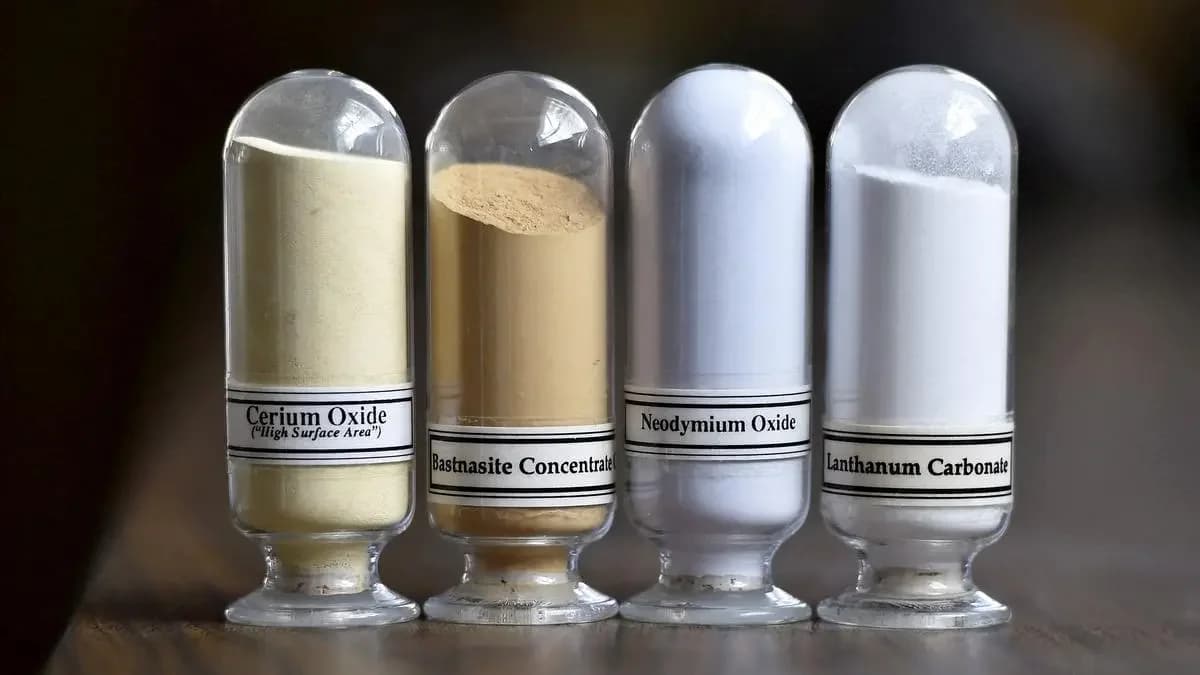
The latest tranche marked a historic milestone by conducting first-ever auctions of critical mineral blocks by the Centre in Gujarat, Uttarakhand and Telangana. As reported by the Ministry of Mines, these blocks include minerals such as graphite, rare earth elements (REE), vanadium, titanium, glauconite and rock phosphate, significantly expanding the reach of critical mineral exploration across the country. The auction was conducted under the provisions of the Mines and Minerals (Development and Regulation) Act, 1957 and the Mineral (Auction) Rules, 2015, as amended from time to time. The tranche was launched through a Notice Inviting Tender (NIT) issued on March 23, 2026, offering 19 mineral blocks under the specified provisions. The Seventh Tranche has expanded the geographical footprint of critical mineral exploration in India, with blocks in Gujarat, Uttarakhand and Telangana being auctioned for the first time by the Central Government.
India's critical mineral recycling sector has witnessed remarkable growth under the ₹1,500-crore incentive scheme, with recycling commitments reaching 850 kilotonnes against a 270-kilotonne target. As reported by Commerce and Industry Minister Piyush Goyal at a conference organised by the Materials Recycling Association of India (MRAI), the scheme has approved 58 recyclers and is expected to help India emerge as a major global hub for critical mineral recycling by 2030. The programme incentivises recovery of 27 critical minerals, with benefits linked to actual mineral extraction and processing rather than black mass production. The scheme could generate 3 lakh tonnes of e-waste recycling capacity annually by 2030, significantly boosting the country's recycling capabilities.
Alongside critical mineral auctions, the Ministry completed the second tranche of Exploration Licence (EL) auctions, marking a significant expansion of the framework. According to the Ministry statement, the Exploration Licence blocks auctioned by the Centre has increased to 11 following the completion of the second tranche. The second tranche expanded the Exploration Licence regime to Arunachal Pradesh, Uttar Pradesh and Odisha for the first time, opening new opportunities for exploration of critical and deep-seated minerals. The Exploration Licence framework enables systematic exploration of critical and deep-seated minerals by facilitating participation from private and public sector entities. With this round, the total number of Exploration Licence blocks successfully auctioned by the Central Government has risen to 11 since the introduction of the EL framework. The Exploration Licence mechanism allows private and public sector companies to undertake reconnaissance and exploration activities, helping discover new mineral resources and strengthen the country's long-term resource base.
As reported by the Ministry of Mines, these initiatives will accelerate the exploration and development of critical minerals essential for clean energy technologies, electric mobility, renewable energy systems, advanced manufacturing, electronics, defence applications and other strategic sectors of the economy. India currently depends heavily on imports for several critical minerals used in batteries, semiconductors, renewable energy equipment and defence technologies. By accelerating exploration and commercial development of domestic resources, the government aims to reduce supply chain vulnerabilities and enhance self-reliance in strategically important minerals. The government expects India to become self-sufficient in rare earth elements such as zirconium and titanium by 2030 and potentially begin exporting products based on these minerals in the following decade. The auctioned mineral assets are expected to play a crucial role in supporting sectors such as clean energy, electric vehicles, advanced manufacturing, defence and high-technology industries.