The Government has successfully maintained relatively stable and affordable PNG prices for households despite facing challenges from higher global LNG prices caused by the Middle East crisis. In a written reply to a starred question in the Lok Sabha, the Ministry of Petroleum and Natural Gas confirmed that despite the Middle East crisis, leading to higher LNG prices, the measures undertaken by the Government have helped keep PNG (Domestic) prices relatively stable and affordable for household consumers. The ministry emphasized that domestic PNG continues to receive administered-price natural gas, capped at USD 7 per MMBtu for FY2026-27.
Since the third quarter of FY2023-24, the government has implemented allocated domestic natural gas equivalent to 105 per cent of the previous quarter's actual PNG consumption to support the expansion of household PNG connections. As reported by The Hindu BusinessLine, household PNG remains among the priority sectors for gas allocation under the temporary Natural Gas (Supply Regulation) Order, 2026, alongside CNG, LPG production and fertiliser to ensure continuity of essential services and energy security. The order was later withdrawn after the supply situation improved.
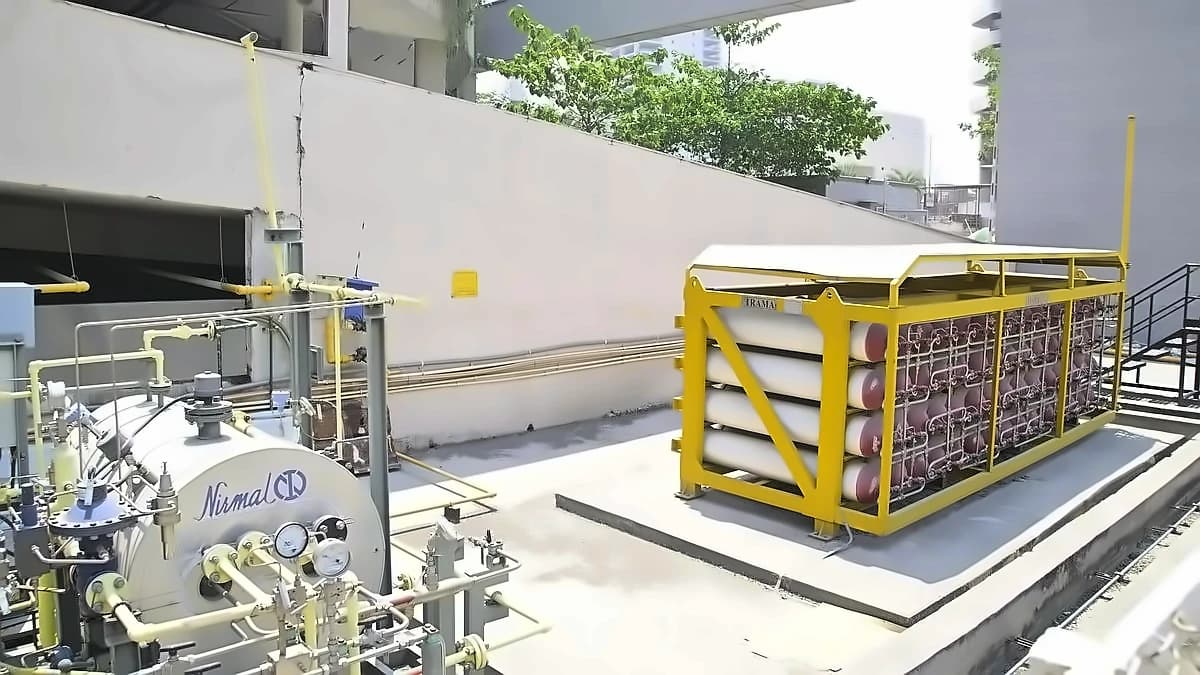
According to the ministry's response, entities authorized by the Petroleum and Natural Gas Regulatory Board (PNGRB) have been permitted to develop networks across 309 geographical areas covering 683 districts. As of May 31, 2026, these entities have provided over 1.70 crore domestic PNG connections and laid 6.71 lakh inch-km of pipeline across the country. The National PNG Drive 2.0 has introduced measures including digital registration, simplified connection processes and consumer outreach programmes to encourage new PNG connections.
The Government's success in maintaining stable PNG prices comes amid broader global energy market challenges from Middle East tensions. The International Energy Agency (IEA) has warned that escalating conflict in the Middle East is increasing risks to global oil supplies, even as strong production and emergency stock releases continue to keep international energy markets relatively stable. The IEA noted that increased liquefied natural gas (LNG) exports from the United States and Canada have replaced around 70 per cent of the gas supplies lost through disruptions affecting the Strait of Hormuz, though any prolonged delay in restoring Gulf LNG exports could keep global gas markets tight for longer. The agency emphasized that resolving the conflict remains the most effective way to safeguard global energy security.