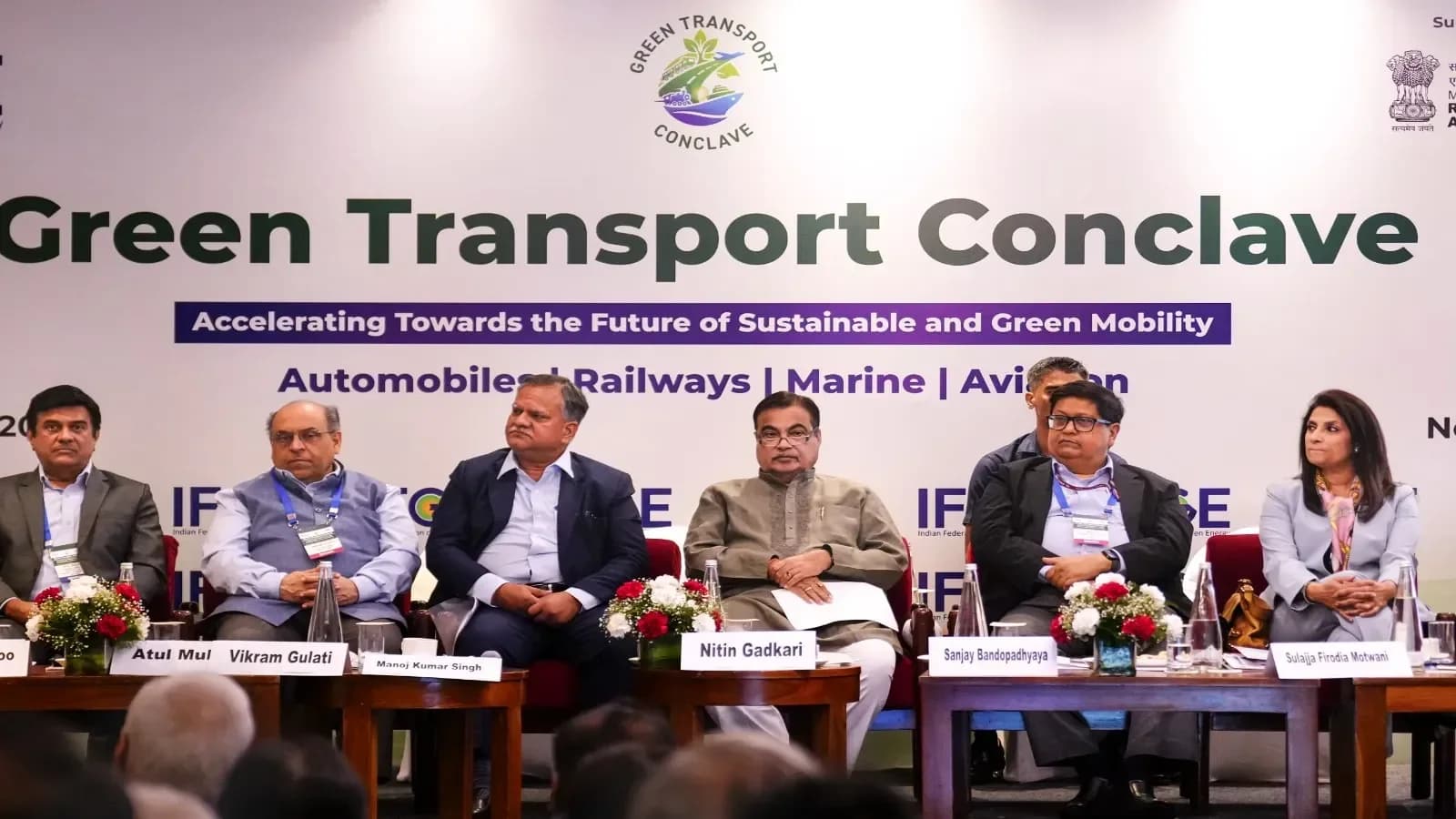
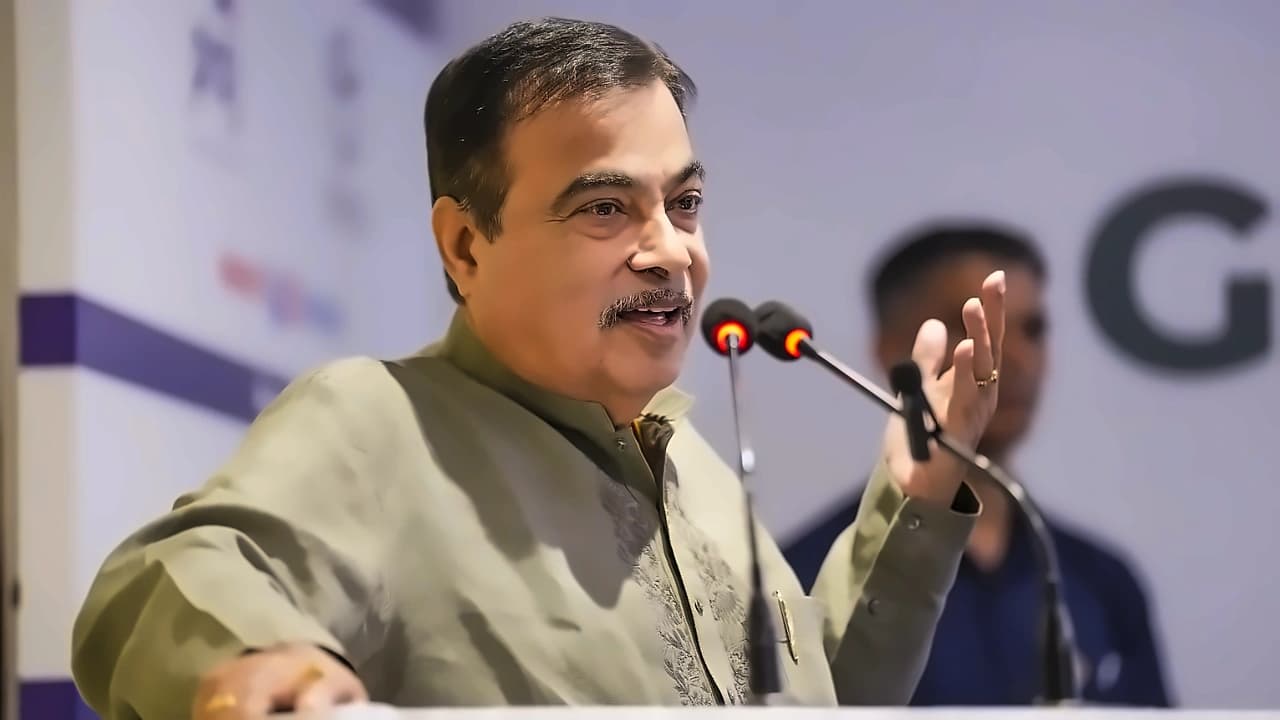
India's fossil fuel imports cost approximately ₹22 trillion annually, making energy security a major economic and environmental challenge, according to road transport and highways minister Nitin Gadkari. Speaking at ENRich 2026, a KPMG event on Monday, Gadkari highlighted how geopolitical developments expose the economy to volatility in global energy prices. The government is promoting indigenous, cost-effective and less-polluting energy sources, including ethanol, compressed biogas (CBG), hydrogen and biofuels, to reduce import dependence amid uncertainty in global energy markets where crude oil prices and currency movements can raise India's import bill. Latest reports from ANI suggest that crude oil prices have risen to $107 per barrel as of November 2, 2026, further emphasizing the urgency of reducing import dependency.
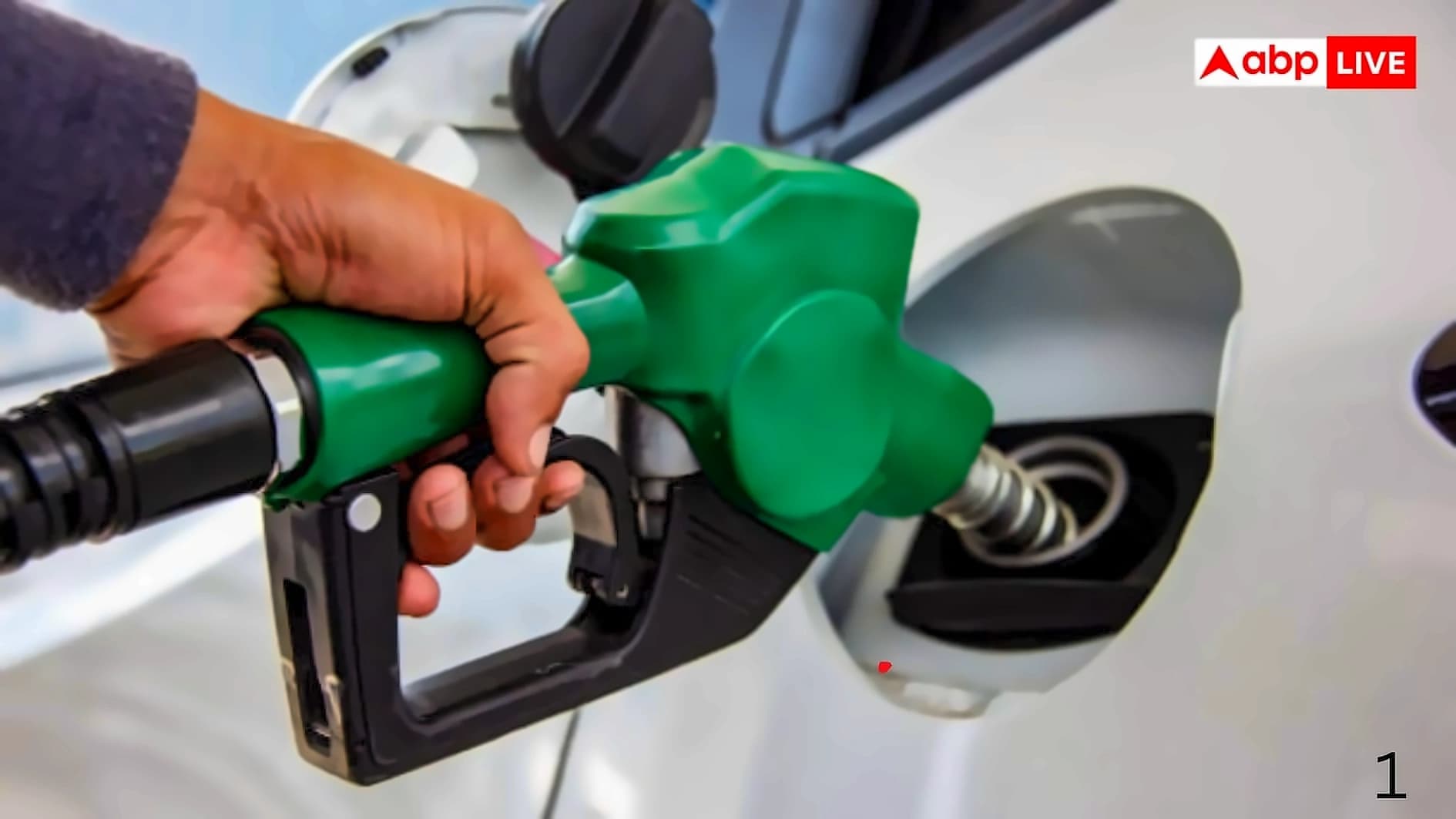
Testing is currently underway to assess the feasibility of blending 15% isobutanol in diesel, with the petroleum ministry set to decide on next steps, according to Gadkari speaking at an event in New Delhi on Wednesday. The proposed testing comes as part of the government's broader push to promote biofuels, reduce dependence on imported crude oil, and check vehicular emissions. This development comes amid consumer backlash over the government's ethanol-blending programme for petrol, with the mandate for making E20 (petrol blended with 20% ethanol) the base petrol fuel coming under fire with motorists alleging engine problems and lower mileage. However, Gadkari clarified that the government's push for E20 had not resulted in any vehicle failures, with major automakers including Maruti Suzuki, Tata Motors, Mahindra & Mahindra, and Hyundai Motor India having made vehicle models compatible with E20 petrol.
India's experience with 20% ethanol-blended petrol (E20) demonstrates the potential of alternative fuels to reduce crude oil dependence, Gadkari said. According to reports from Mint, about 40 million four-wheelers and 200 million two-wheelers are currently using E20. The government is exploring higher ethanol usage through flex-fuel vehicles that can operate on different proportions of ethanol and petrol. Gadkari announced he would launch a Toyota Innova capable of running on 100% bioethanol this month, with major automobile manufacturers including Tata Motors, Mahindra, Toyota, Suzuki and Hyundai developing flex-fuel vehicles. Ethanol can be produced using corn, broken rice, sugarcane juice, molasses and bamboo, creating additional income opportunities for farmers.
The ministry of road transport and highways has proposed to enforce BS7 emissions control regulation starting 2029, following India's leapfrogging from BS4 to BS6, skipping the interim BS5 stage. However, the auto industry, through industry lobby group Society of Indian Automobile Manufacturers, has sought to enforce these measures in phases starting 2032. Under the BS7 regime, India's automobile industry will have to comply with tighter emissions monitoring, with new safeguards covering tyre and brake emissions, which release harmful pollutants into the air. The upcoming BS7 standards come at a time when the national capital, New Delhi, grapples with seasonal winter air pollution woes, with air quality index readings reaching the 300-400 range, classified as 'very poor'. Gadkari also emphasized that public-private partnership (PPP) models would make infrastructure projects profitable, noting that crucial urban infrastructure like foot overbridges remain unutilised.
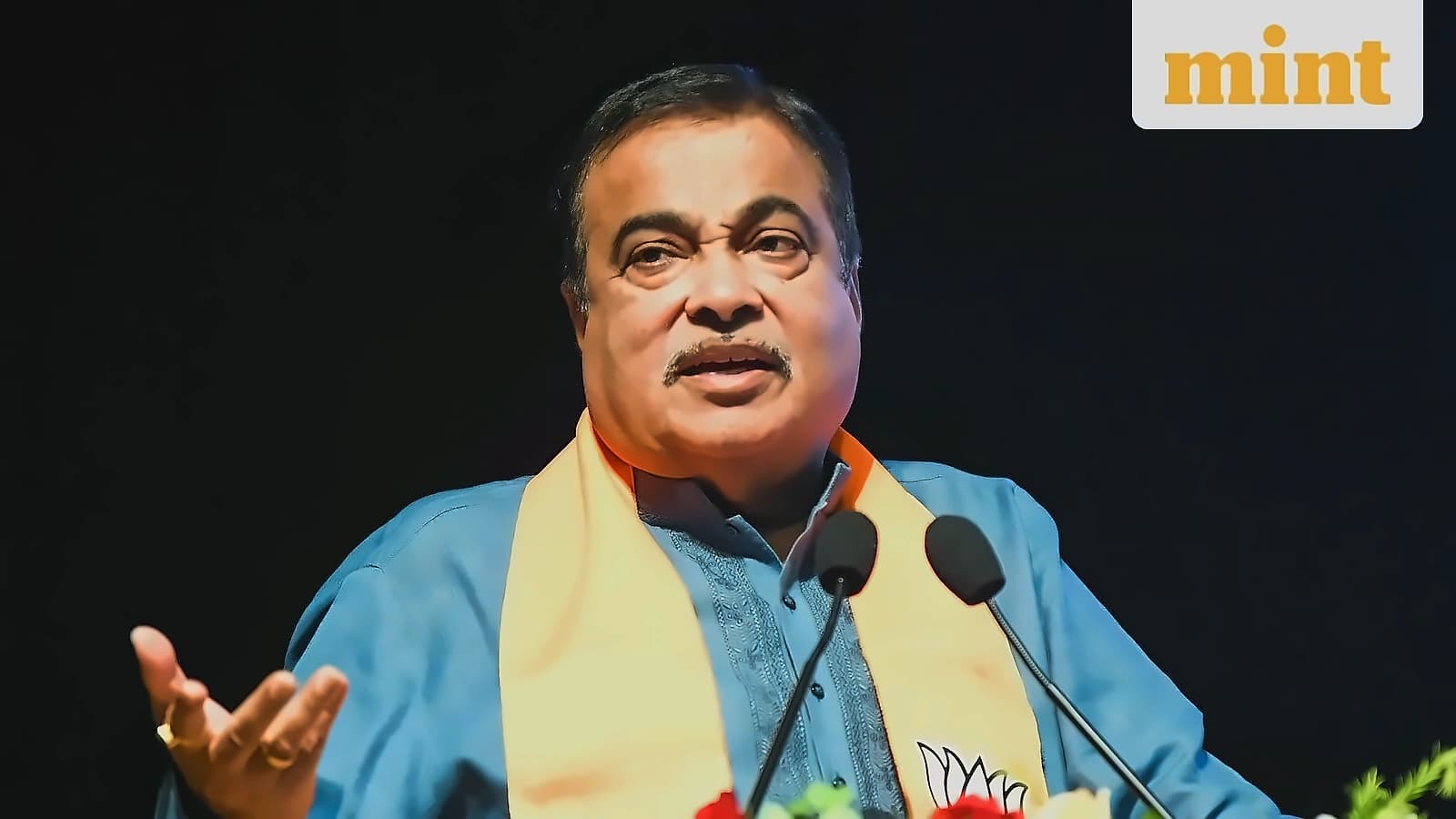
The government is exploring biofuels in diesel and aviation sectors beyond petrol. According to Mint, the Automotive Research Association of India (ARAI) is conducting trials on a 15% isobutanol blend in diesel, with trials aiming to establish technical feasibility of the blend. For aviation, the government is looking at introducing a 2% biofuel blend in aviation turbine fuel (ATF), marking an initial step towards sustainable aviation fuel. Gadkari cited previous flights using biofuel blends and said India could gradually expand sustainable aviation fuel usage. Biodiesel can be blended at several different concentration levels, with B20 being a common biodiesel blend in the United States, though India's hotter climate may require different blending strategies.
Gadkari identified green hydrogen, produced using renewable energy or biomass, as a key component of India's future energy mix. According to Mint, the government is working with automobile manufacturers and energy companies to develop hydrogen-powered trucks and buses. The ministry plans to introduce hydrogen filling stations along 10 highway routes to support trials involving heavy commercial vehicles. The minister also highlighted the potential of bio-bitumen, made from agricultural residue, 7% waste plastic, and powder from used rubber tyres, to reduce dependence on imported petroleum-based bitumen used in highway construction. Gadkari called for greater research into green hydrogen, saying the government is working towards reducing its production cost from around USD 5 per kg to USD 1 per kg, with India having received an order to export 5 lakh tonnes of hydrogen.