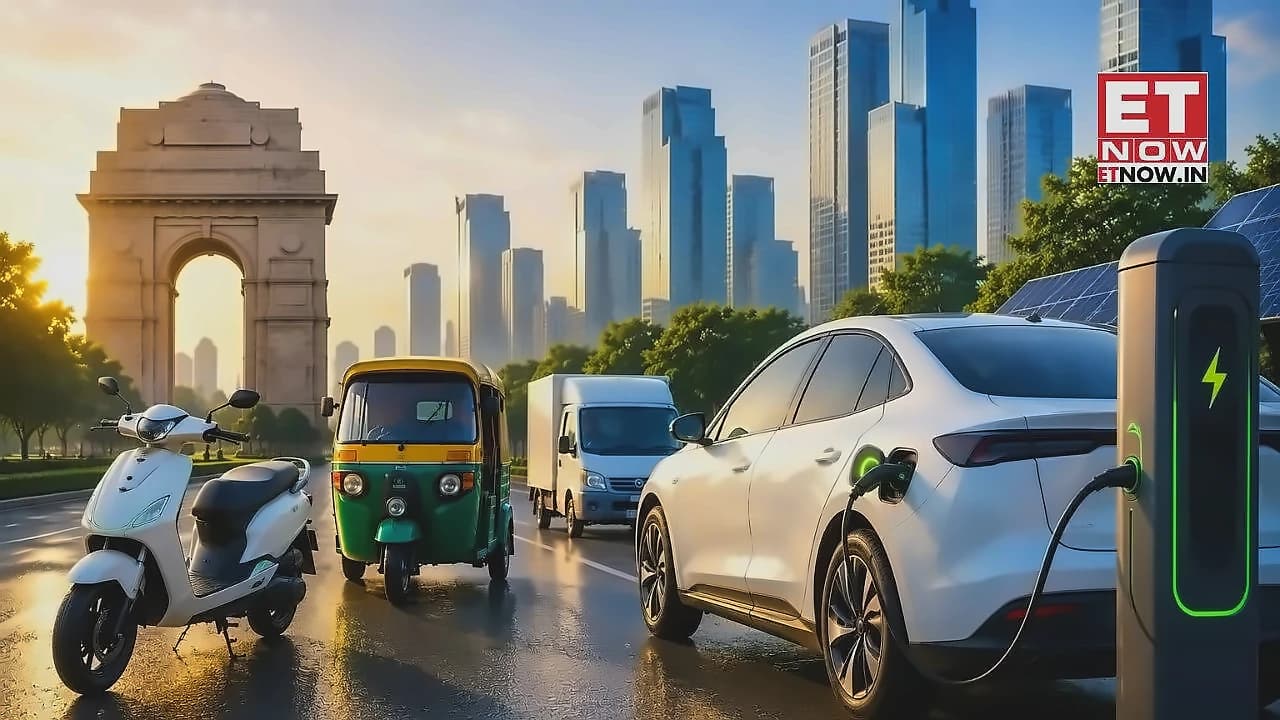
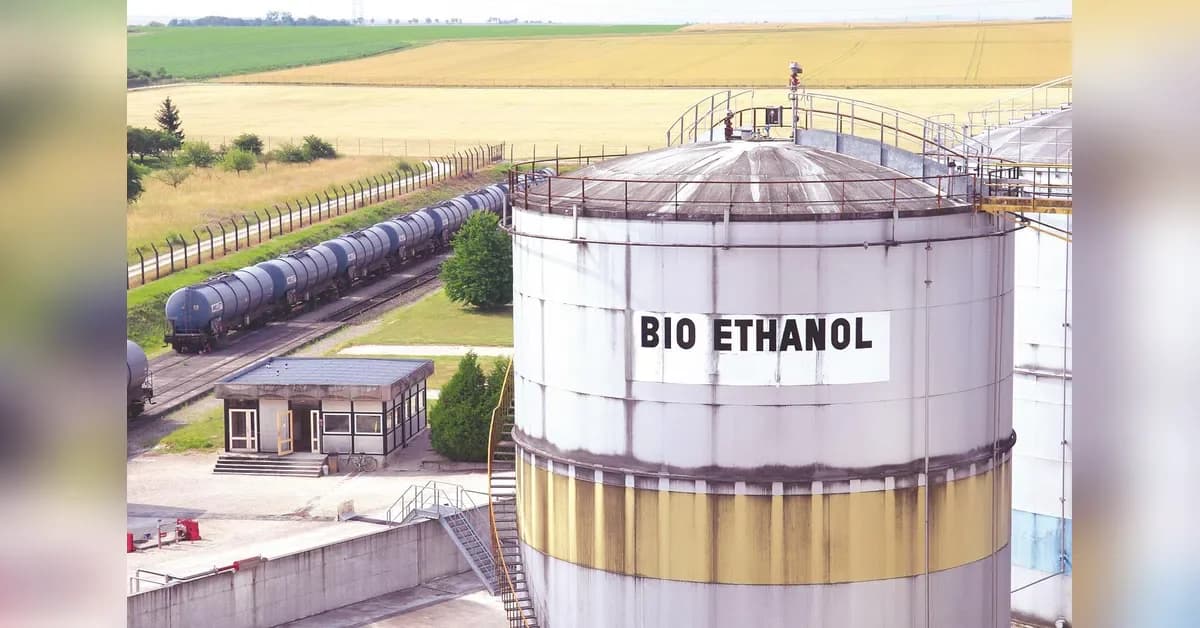
India is set to introduce a diesel-isobutanol blending mandate as early as this year to enhance energy security and support decarbonization in the road transport sector, as announced by Road Transport Secretary V Umashankar at the CII Multimodal Transportation and Logistics Summit in New Delhi. Speaking at the summit, Umashankar emphasized that blending of diesel has been looked into with great seriousness and Bharat Petroleum is already undertaking strategic research for iso-butanol blending with diesel and the results are very encouraging. The proposed mandate is part of a broader set of measures being pursued by the government to improve energy security, reduce dependence on imported fuels and accelerate decarbonisation of the transport and logistics sector. Diesel consumption is nearly double that of petrol, making diesel blending more impactful on energy security than petrol blending, according to the latest government data. As per Business Standard, it is quite likely that the blending mandate will start coming in somewhere later this year.
The ministry has commissioned the Automotive Research Association of India (ARAI) to study flex-fuel engines capable of running on up to 100% isobutanol as an alternative to diesel. According to Mint, the research will include vehicle testing to assess engine performance using isobutanol-blended fuel. Isobutanol is a biofuel produced from ethanol through fermentation and has a higher energy density and is less corrosive than ethanol, making it more suitable for diesel blending. Initial tests reported by Mint show that isobutanol blending significantly reduces pollution from diesel vehicles without affecting vehicle performance and may not require major modifications to existing engines or exhaust systems. Data from initial tests suggests that isobutanol blending substantially reduces pollution from diesel vehicles without altering their running, with using this biofuel not requiring any major changes to a vehicle's engine or exhaust system. The transport secretary noted that vehicles will have a separate fuel dispenser at petrol pumps for dispensing E85 or E100 fuel, unlike normally blended petrol which is done through a common dispenser.
The ministry has issued a draft notification for E85 (a blend of 85% ethanol with petrol) and E100 (which would allow vehicles to run on nearly pure ethanol) vehicle manufacturing requirements, as announced by Transport Secretary V Umashankar at the CII summit. According to PTI, the transport ministry is looking at bringing a draft notification on truck-trailer interchangeability soon to address concerns around battery-swapping and charging infrastructure for electric heavy duty commercial vehicles. The secretary explained that tractor-trailer interchangeability will take care of concerns about building an ecosystem that needs battery-swapping and battery charging for electric heavy duty commercial vehicles. Under this concept, charging infrastructure could be concentrated at designated locations while trailers continue their journey through replacement tractor units, helping improve utilisation of commercial vehicles. Detachable trailers and charging at designated locations could help reduce idle time for trucks during battery charging.
Speaking about hydrogen logistics projects, Umashankar said the government's pilot experiments have shown very good results with comparable costs to other forms of logistics travel. According to Business Standard, he noted that the key cost is comparable with respect to other forms of logistics travel, it's not high, with the only high-cost element being hydrogen re-fuelling stations. Presently in the pilot projects, government support is being provided to offset some of these costs. Hydrogen-powered public buses have recently been launched on routes connecting Delhi with Faridabad and Noida, with these buses able to travel 450 km before needing a refuel. For the Delhi-Mumbai corridor, three refuelling stations will be needed to support the hydrogen logistics network. As reported by Business Standard, the secretary added that hydrogen buses have recently been introduced on routes between Delhi-Faridabad and Delhi-Noida with government-supported refuelling stations.
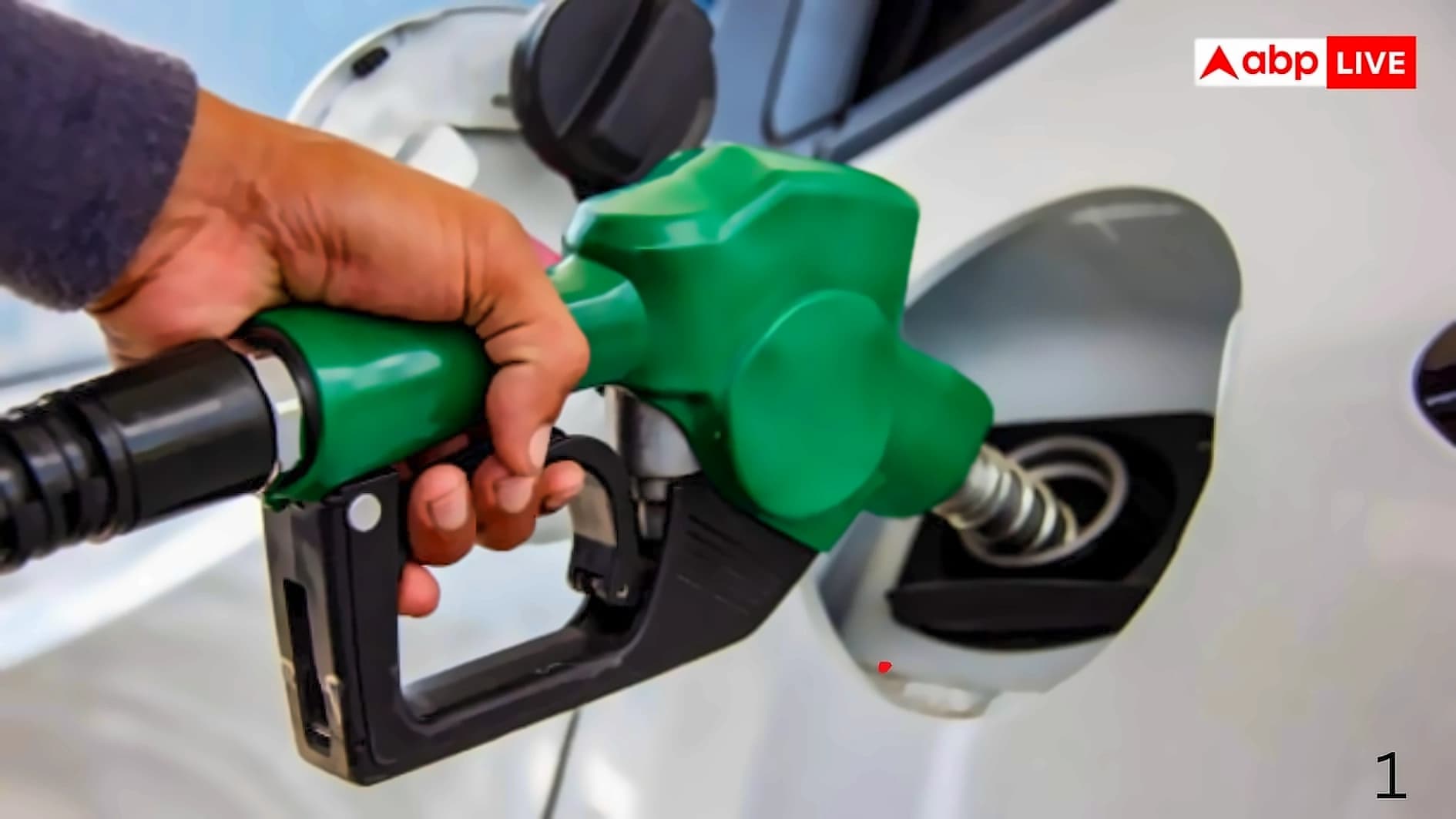
The secretary announced that multi-lane free flow (MLFF), a barrier-less tolling system that removes the need for vehicles to stop at toll plazas, is likely to be introduced in the forthcoming year. According to Business Standard, Umashankar said this system has already been introduced at two toll plazas and is working very successfully, with the third implementation likely in the next 8-10 days. The ministry plans to expand this to all four-lane-plus toll plazas across the country within the forthcoming year and is implementing an advanced traffic management system with the first proposal for Delhi NCR approved. To increase the average speed of vehicles on roads and highways, the ministry plans to focus on segregating slow and fast-moving traffic on expressways and access-controlled highways. As per Business Standard, the government is also putting an advanced traffic management system in place, with the issuance of bids and implementation of the project starting very shortly.