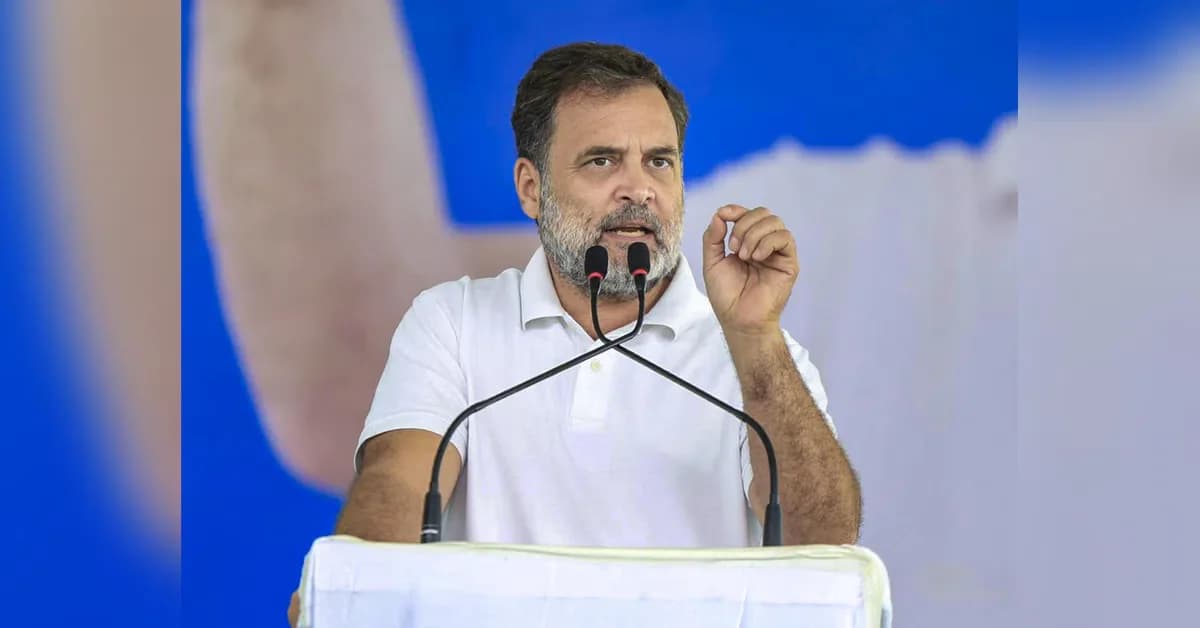
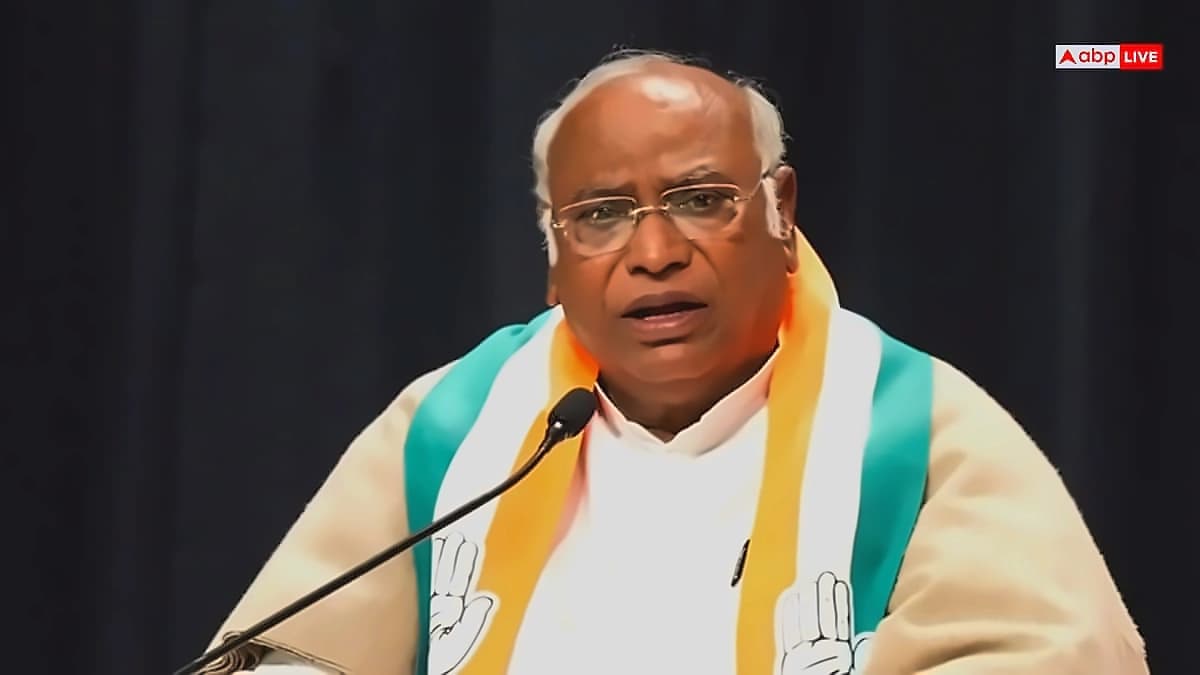
The Congress party has intensified its attack on the Centre after fuel prices were raised for the fourth time in less than two weeks, with party president Mallikarjun Kharge describing the repeated hikes as a 'daily assault of fuel loot'. According to reports from The Times of India, Kharge termed the price increases a 'silent tax on every Indian household' and accused the Centre of shielding corporate interests. The attack came amid continued volatility in global crude oil markets and geopolitical tensions in West Asia. Speaking at a rally this week, Kharge urged Indians to cut fuel consumption, work from home, postpone foreign travel, avoid unnecessary imports and delay gold purchases, framing this as a patriotic responsibility during global instability.
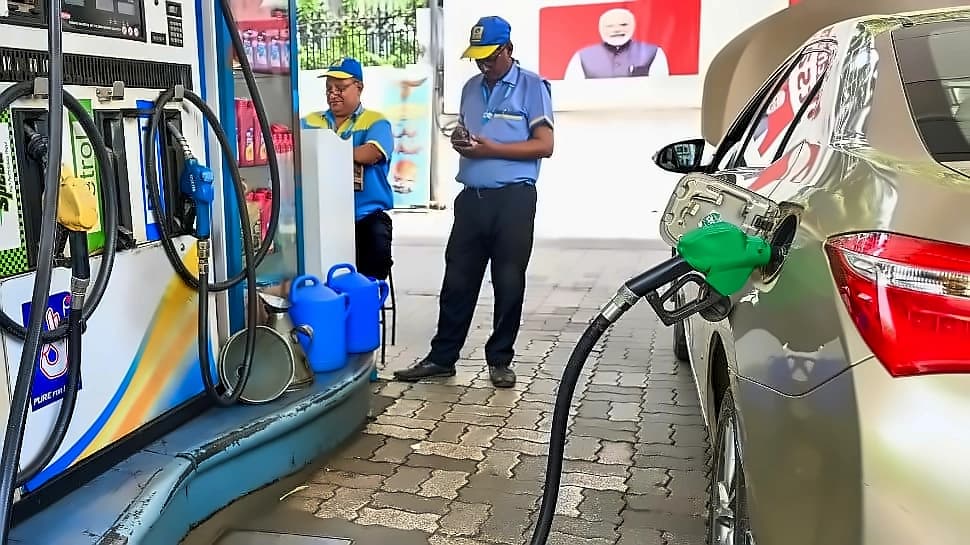
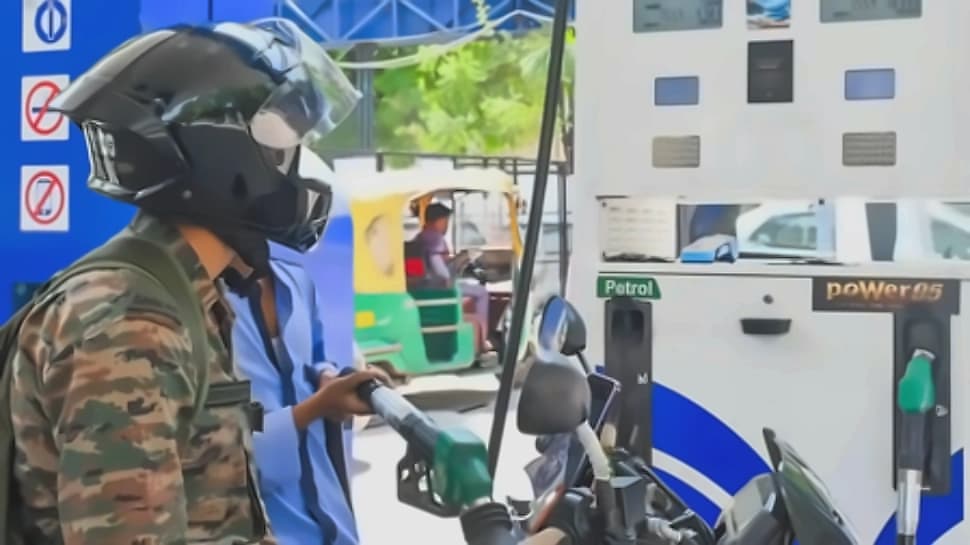
As reported by The Times of India, petrol prices have increased from ₹71.41 per litre in 2014 to ₹102.12 per litre in 2026, representing a rise of 43.01%. Diesel prices have similarly climbed from ₹56.71 per litre to ₹95.20 per litre, an increase of 67.87% during the same period. In Delhi, petrol prices rose by ₹2.61 to ₹102.12 per litre, while diesel increased by ₹2.71 to ₹95.20 per litre on Monday. The latest hike brings diesel to ₹90.67 per litre and petrol to ₹97.77 per litre - the first increase in four years. Indian Oil Corporation, Hindustan Petroleum Corporation (HPCL) and Bharat Petroleum Corporation (BPCL) raised fuel prices by ₹3 per litre, representing more than 3% increase.
According to reports from The Times of India, Congress leader Priyank Kharge termed the repeated fuel price hikes a 'silent tax on every Indian household'. He claimed that the poor pay for it in bus fares, vegetables, milk, school transport and daily essentials, while the middle class pays through petrol bills, EMIs, groceries and children's expenses. Congress MP Manickam Tagore compared current fuel prices with those during the UPA era and accused the Centre of favouring oil companies and corporate interests, stating 'Modi doesn't work for you. He works for IOC boardrooms and Ambani refineries'. Kharge criticized the timing of the hikes, accusing the Modi government of delaying the increases until State Assembly Elections for 2026 had passed, stating 'During elections, the Modi government behaves as if 'everything is normal,' and the central government's job is only to fight elections in the states'.
As reported by The Times of India, Uttar Pradesh minister Om Prakash Rajbhar defended the price increases, attributing them to global geopolitical tensions and supply disruptions following the conflict between Iran and the United States. He noted that since consumption exceeds supply, a rise in rates is a natural consequence. The price hikes have raised concerns over inflation, logistics costs and broader impact on household budgets and transport sectors across metropolitan cities. Madhavi Arora, chief economist at Emkay Global Financial Services, warned that the direct impact will be a muted 15 basis points on consumer price inflation, but the indirect impact will be larger. India's retail inflation quickened to 3.48% in April, driven by dearer food prices, with the outlook clouded by risks from rising energy costs tied to the Middle East conflict.