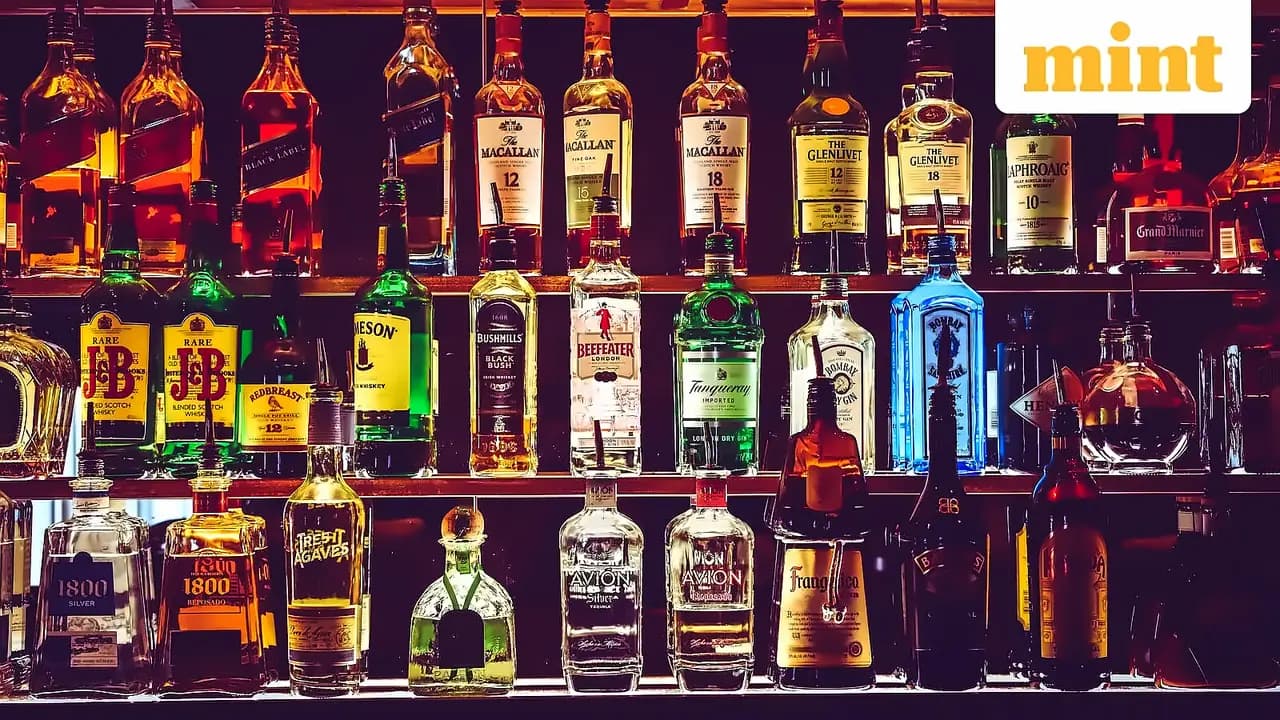
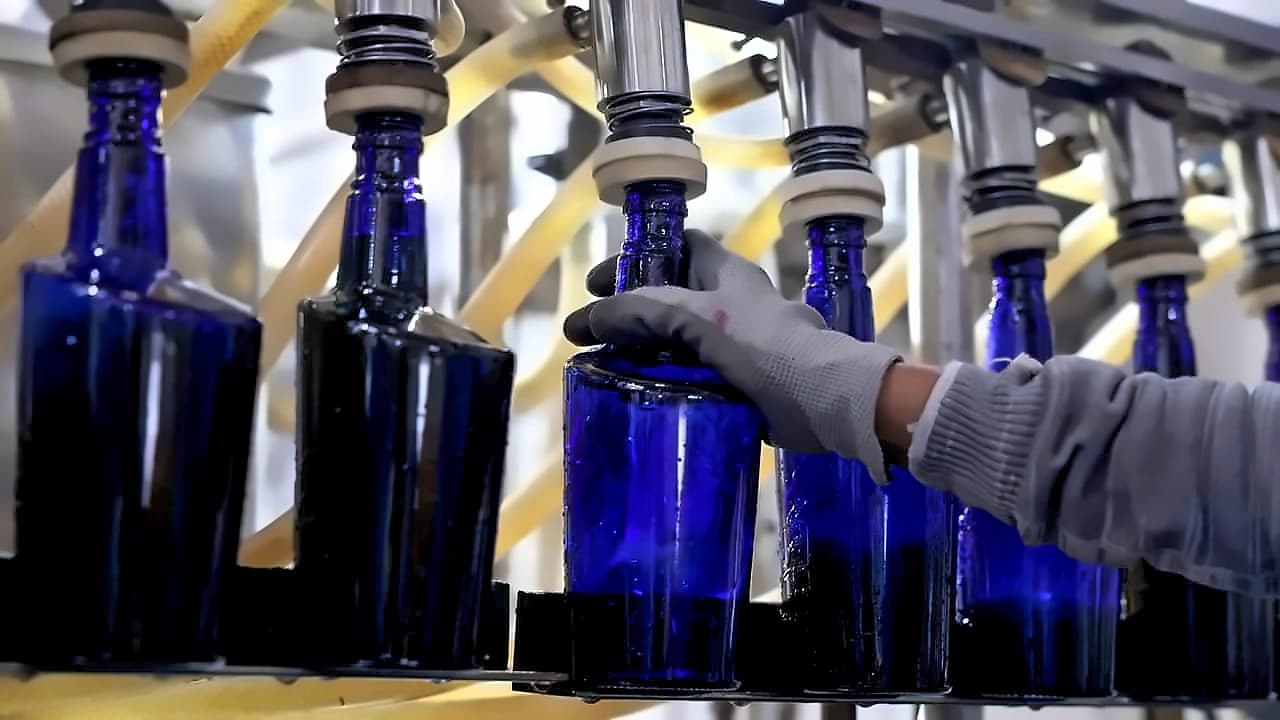
The Food Safety and Standards Authority of India (FSSAI) has issued notices to alcoholic beverage manufacturers after finding alleged violations of rules governing added flavours and age claims. According to the latest FSSAI post on X, the regulator has directed Food Business Operators (FBOs) engaged in alcoholic beverage manufacturing and licensed under the Food Safety and Standards Act, 2006, to submit explanations as to why action should not be initiated against them. The notices were issued for alleged violations of the Food Safety and Standards (Alcoholic Beverages) Regulations, 2018, with the regulator finding that certain manufacturers were blending added flavours that mimic a product's natural profile in categories such as rum, brandy, gin, malt or grain whisky, wine and beer. As per the official FSSAI statement, such practices contravene regulations requiring these products to possess only their true and natural characteristic taste and aroma.
FSSAI identified violations across three critical areas that directly contravene the Food Safety and Standards (Alcoholic Beverages) Regulations, 2018. According to the regulator, the violations relate to use of prohibited added flavours, misleading age-related claims, and incorrect disclosure of blended spirit ages. For the first category, manufacturers were using added flavours that imitate the natural taste and aroma of alcoholic beverages, which is not allowed under the 2018 regulations. The second violation involved companies using words, synonyms or indirect expressions that suggest a product's age without following Regulation 13.7 of the FSS (Alcoholic Beverages) Regulations, 2018. Under the regulations, if a product is made by blending spirits of different ages, the age mentioned on the label must refer to the youngest spirit used in the blend, as demonstrated by the whisky example where a product containing spirits aged 12, 8 and 5 years cannot claim to be a 12-year-old whisky.
The Confederation of Indian Alcoholic Beverage Companies (CIABC) said FSSAI has called consultations with stakeholders, including industry associations, next week to discuss the issues. According to Mint, Sanjit Padhi, chief executive of the International Spirits and Wines Association of India (ISWAI), said ISWAI and its members are in compliance with regulations and will engage with FSSAI for clarity. An industry executive explained that manufacturers use nature-identical flavours because extended barrel ageing is commercially unviable in India due to high inventory costs, imported barrel costs and significant evaporation losses. The enforcement comes as India's alcoholic beverages market, valued at ₹148.3 billion in 2025, is projected to reach ₹176.2 billion by 2034, according to a government report citing market research firm IMARC Group. India is among the world's fastest-growing alcohol markets, with rising urbanisation and disposable incomes driving demand.
The enforcement comes as India's alcoholic beverages market, valued at ₹148.3 billion in 2025, is projected to reach ₹176.2 billion by 2034, according to a government report citing market research firm IMARC Group. As reported by Mint, PTI, and Rediff-TV, the regulator has directed the companies to ensure compliance and submit explanations as to why action should not be initiated under the Food Safety and Standards Act, 2006. Industry experts maintain the dispute concerns permitted ingredients and labelling requirements, not the safety of products currently on the market, with every batch tested by government laboratories before reaching consumers. The Food Safety and Standards (Alcoholic Beverages) Regulations, 2018 lay down comprehensive standards for the production, composition and labelling of alcoholic beverages sold in India, specifying how alcoholic beverages should be labelled, when age-related claims can be used and how the age of blended spirits should be declared.