Diageo's India arm United Spirits has challenged a regulatory order restricting the sale of its McDowell's No. 1 Celebration Matured XXX Rum in Maharashtra, arguing that the action was imposed without proper legal process. According to Business Standard, the company has argued before the Bombay High Court that the food safety officer responsible for the Maharashtra order did not have the legal authority to prohibit the product. United Spirits also alleges that the officer circumvented the adjudicatory process by relying on a food analyst's report to impose a stop-sale order. The legal challenge reached the court on Monday (10 August), with the court directing the federal government to respond to the challenge by August 19. The company has argued that continuing the prohibition while FSSAI was still considering the regulatory issue was 'premature, disproportionate and commercially prejudicial'.
Indian food safety inspectors have seized approximately 18,000 boxes of Diageo liquor bottles for allegedly lacking proper markings to indicate they were made using safe recycled plastic. According to government sources, FSSAI officials visited United Spirits' factory in Bengaluru last week and found that while the company used recycled plastic bottles, required markings were missing. The seizure included products worth ₹12.8 crore ($1.6 million) and affected more than half a dozen brands, including DSP Black Deluxe Whisky, Smirnoff Zesty Lime Triple Distilled Flavoured Vodka, and VAT 69 blended scotch whisky. As per Reuters, the action focused on plastic bottles used to retail products in smaller quantities of typically 180 millilitres, while most large bottles of Diageo drinks are made of glass. For now, the seized Diageo products remain quarantined as the company engages with FSSAI.
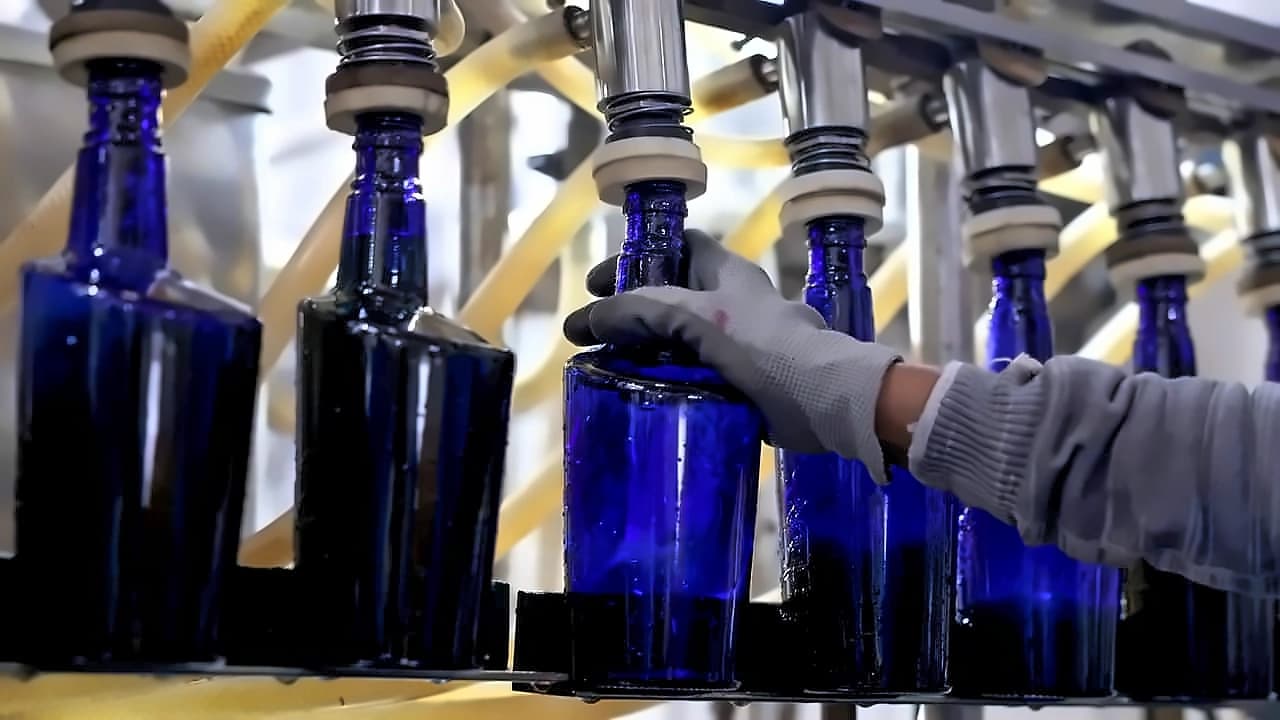
The FSSAI found that Diageo's bottles only had markings showing they were made from polyethylene terephthalate (PET), but should have carried a government-mandated recycled PET symbol that also indicates they are food-grade. According to government documents, inspectors found that the plastic bottles carried markings identifying them as being made from PET, but lacked the specific symbol required for recycled PET that is approved for food-grade use. This raised serious food safety, misleading and misbranding compliance concerns regarding the safety of finished alcoholic beverages for consumers. The regulatory action was taken in the interests of public health, with the FSSAI taking an increasingly hard line against liquor firms, energy drink makers, and food manufacturers over labelling and compliance issues.
The dispute centres partly on the wording used on McDowell's rum bottles, with the ingredients listing that it contains artificial flavour (rum). According to Reuters, the FSSAI's prohibition order states that 'flavor of rum should be characteristic based on the natural ingredients, fermentation processes, and maturation techniques.' The regulator's position differs from how Diageo describes its product, with the company publicly describing McDowell's rum as one of its leading products. The disagreement has placed the labelling and composition of alcoholic beverages under renewed scrutiny, particularly as regulators examine how flavouring should be described and classified. On August 2, FSSAI clarified that it was not prohibiting flavouring substances generally, but specifically objected to manufacturers adding the flavour of the alcoholic beverage itself, such as rum flavour to rum or whisky flavour to whisky.
Diageo India confirmed the regulatory action, stating that some of its bottles have been quarantined by authorities until further direction. According to Reuters, United Spirits told the news agency that their products are completely safe for consumption and they are engaging with FSSAI for further direction on this matter. The company said the bottles were sourced from a recycler approved by the Food Safety and Standards Authority of India and mandatory tests were conducted by the suppliers. Diageo has said it complies with the law, though the company has also been warned that it misleadingly claimed one of its top-selling whiskies was 'matured in American oak casks,' when most of the product had not been matured. The action adds to the scrutiny facing Diageo in one of its most important markets, with India ranking among the top three global markets for Diageo, generating approximately ₹26,780 crore in annual revenue.
The regulatory action comes amid a broader crackdown on alcoholic beverages in India, where regulators have restricted several whisky and rum brands produced by Diageo and Inbrew over alleged mislabelling and the use of artificial flavours. According to Reuters, the action has unsettled an industry valued at about $40 billion. The FSSAI has also questioned labelling claims made on certain Diageo whisky products, including references to maturation in American oak casks. The products under scrutiny included United Spirits' Antiquity Blue Whisky and Royal Challenge Whisky from its Madhya Pradesh unit, McDowell's No. 1 Rum from the Baramati plant, Bagpiper Deluxe Whisky and Old Cask Deluxe XXX Rum manufactured by Inbrew Beverages in Madhya Pradesh, and three Old Monk variants produced by Mohan Rocky Springwater at its Khopoli facility in Maharashtra. The scrutiny is part of a broader push by India's food regulator to tighten compliance across the food and beverage industry.