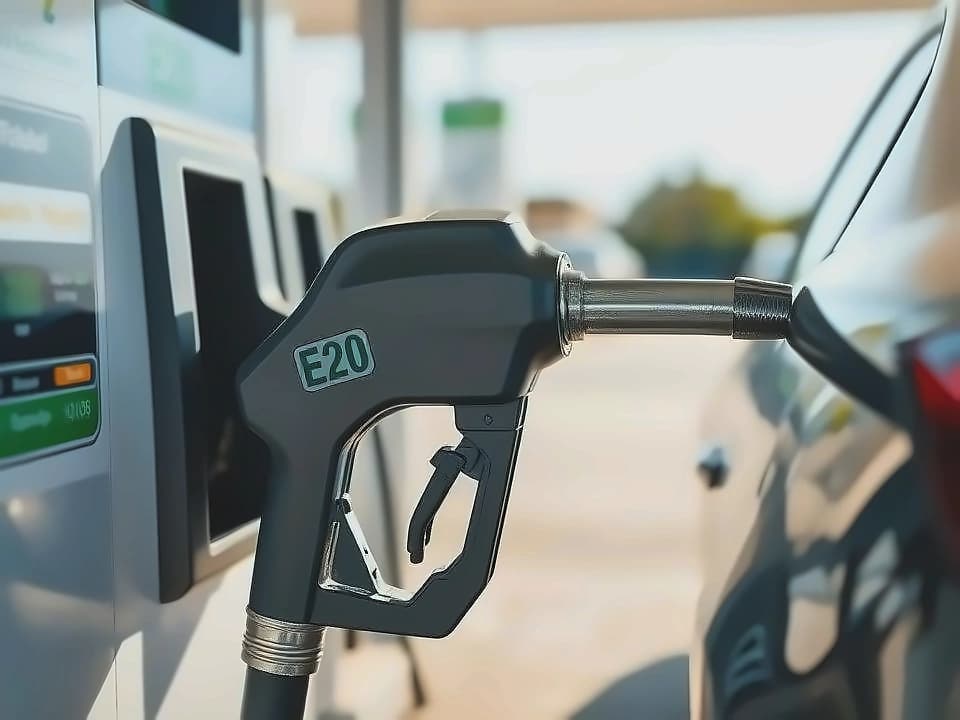
According to reports from Business Standard, the transition to E20 petrol could increase maintenance costs by ₹500 to ₹2,500 for two-wheeler owners and ₹5,000-10,000 for four-wheeler owners. Vinkesh Gulati, chairperson of the Automotive Skills Development Council and former president of the Federation of Automobile Dealers Associations, warns that older vehicles may experience 3-7% decline in fuel efficiency and some parts that were replaced annually may need to be changed every six months. In a recent survey, 52% of older petrol vehicle owners reported additional expenditure of ₹5,000 or more due to reduced fuel efficiency or increased repairs, while 20% reported spending between ₹5,000 and ₹10,000 extra. Latest reports indicate that mechanics across the country have reported an increase in complaints related to starting troubles, rough idling, and clogged fuel filters among owners of pre-E20-compliant vehicles, with some suggesting that components previously requiring replacement annually may now need attention every six months.
As reported by Business Standard, the biggest impact of E20 petrol is on the fuel system, which includes rubber pipes, gaskets, seals, bearings and other components. Gulati explains that older vehicles were not designed with the assumption that fuel containing up to 20% ethanol would be used. The physical properties of petrol and ethanol differ in density and viscosity, affecting engine performance, fuel consumption and component life. Older fuel systems may become more vulnerable to corrosion, requiring replacement of some parts, creating additional running costs for households using older vehicles. Latest studies by automotive research bodies in India, such as the Automotive Research Association of India (ARAI), have indicated that while minimal issues with some rubber components in older cars might arise, these can be easily addressed during normal maintenance. However, ethanol is known to be corrosive and can degrade rubber and plastic components within the fuel system, including fuel lines, seals, and gaskets, leading to swelling, hardening, cracking, and eventual fuel leaks, posing potential fire hazards.

The government, through the Ministry of Petroleum and Natural Gas (MoPNG), has largely sought to allay concerns, terming them as "largely unfounded" and not backed by adequate scientific evidence. The ministry points to Bureau of Indian Standards (BIS) specifications and Automotive Industry Standards (AIS) that include corrosion inhibitors and compatible fuel system materials for E20. Newer vehicles, particularly those manufactured after April 2023, are designed to be E20-compliant. However, critics and consumer groups argue that the rapid pace of the ethanol blending rollout has left many consumers, especially those relying on older vehicles, feeling shortchanged. Unlike in countries like Brazil, where consumers can often choose between different fuel blends, Indian petrol pumps primarily offer E20, forcing owners of older vehicles to use fuel that may not be entirely compatible, potentially voiding warranties and leading to unforeseen repair costs.
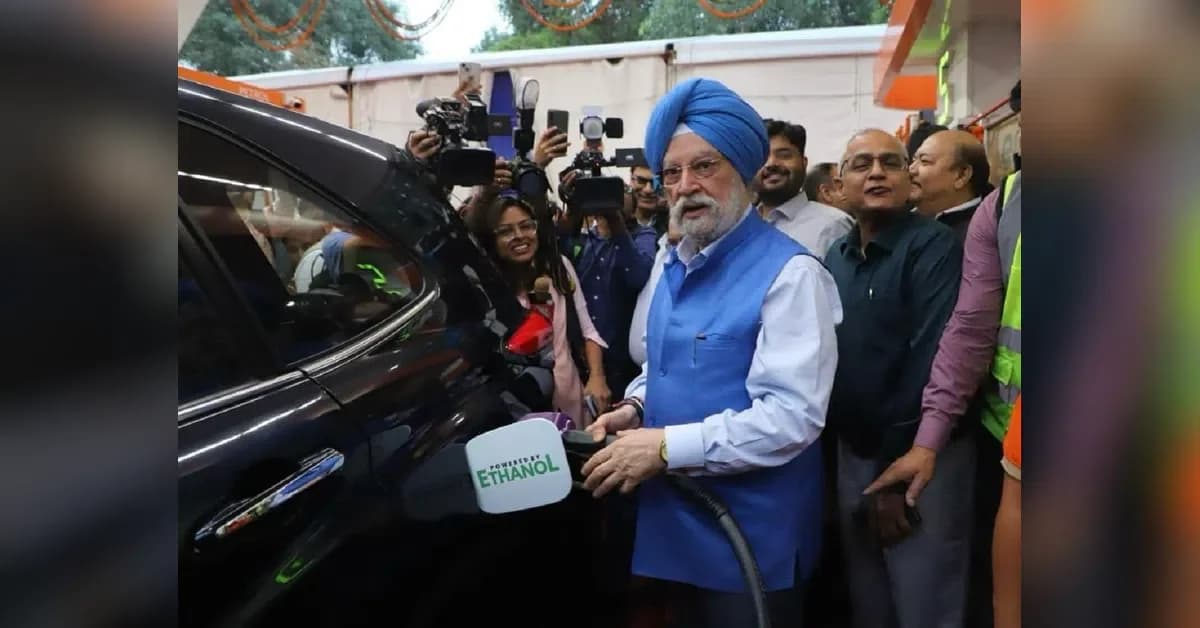
As reported by Business Standard, the government claims significant benefits from the ethanol blending programme. According to Petroleum and Natural Gas Minister Hardeep Singh Puri, since FY15, India has saved ₹1.84 trillion in foreign exchange due to ethanol blending, reduced crude oil import requirement by 30.2 million tonnes and cut carbon emissions by 90.9 million tonnes. Farmers have earned an additional ₹1.58 trillion, with the minister stating that if flex-fuel vehicles account for just 1% of new petrol vehicle sales in FY27, it would create additional demand for 40 million litres of ethanol. The government's push for higher ethanol blends, including proposals to recognize E85 and 100% ethanol fuels, signifies a long-term strategy to bolster India's energy independence and support the agricultural sector by creating demand for crop-based ethanol, aiming to significantly reduce the nation's reliance on imported crude oil.
According to Business Standard, the ethanol transition represents not only a fuel policy but also a consumer-readiness test. While India may save foreign exchange and create a new market for farm-linked fuel, the shift will be judged at the level of vehicle owners who see mileage fall, mechanics who must diagnose problems, and vehicles built for earlier fuel regimes. New vehicles being sold are E20-compliant, with blends such as E23, E27 or E30 unlikely to cause major problems under normal conditions, though the government has exempted petrol containing 22%, 25%, 27% and 30% ethanol from central excise duty for preparation of higher blends. The debate highlights a critical need for clearer communication, greater consumer choice in fuel options, and robust support mechanisms to ensure that India's transition to greener fuels does not disproportionately burden a significant segment of its vehicle-owning population.