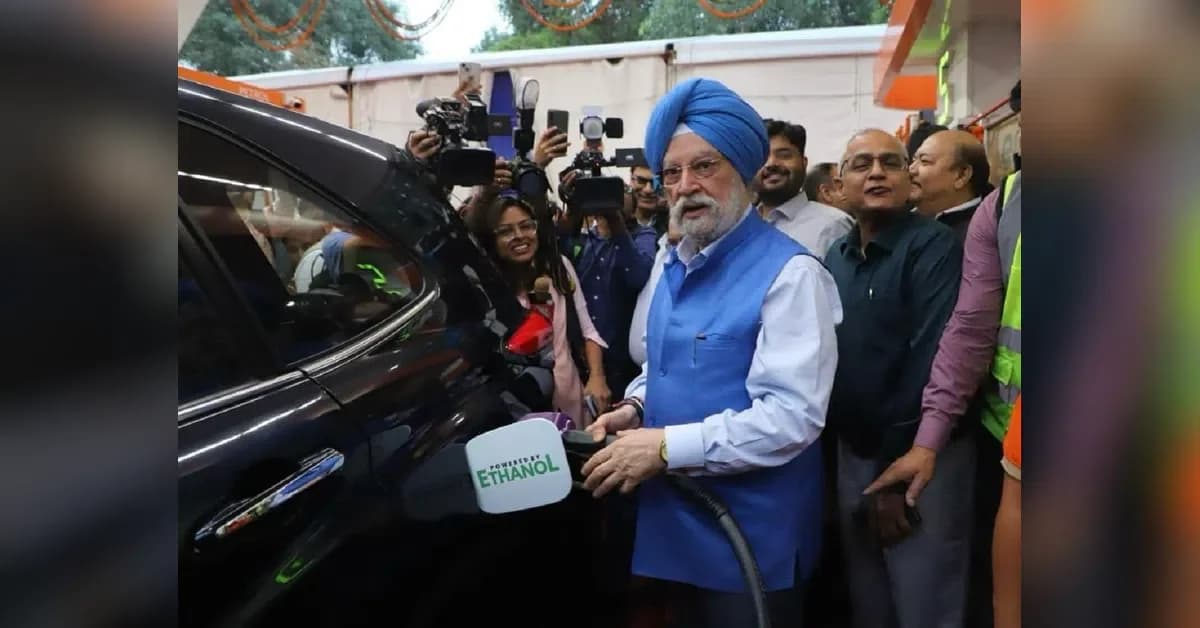
Maruti Suzuki has launched the WagonR Flex Fuel in India at ₹7.24 lakh, making it the only car currently available in the country to run on E85 fuel. According to Maruti Suzuki, the WagonR Flex Fuel is currently the only car you can buy in the country to run on the cheaper E85 fuel, with the ₹86,000 premium over the standard petrol model representing the cost of the flex-fuel technology. While the running cost might be lower on E85 fuel, its availability remains a serious question for now, and the CNG variant is available for a lot cheaper. However, if you want to be an early adapter to the E85 fuel, the WagonR Flex Fuel remains the only option as none of its competitors today offer this option.
E85 fuel is still new in the market, and availability remains an issue. The government aims to offer E85 fuel through 500 fuel stations across major cities like Delhi-NCR and Mumbai, with plans to add about 5,000 such outlets across major cities in the country by the end of 2027. So even if you buy a flex-fuel vehicle, the chances of finding E85 fuel at a pump near your home are currently low. In Delhi, E85 costs ₹82.12 per litre while E20 costs ₹102.12 per litre, making it appear like a ₹20 per litre savings, but the practical reality is different. Recent testing by Autocar India on the Suzuki Gixxer SF 250 FFV revealed a 24.40% drop in fuel efficiency on E85 compared to E20, with the bike returning 28.81 kmpl on E85 versus 38.1 kmpl on E20.
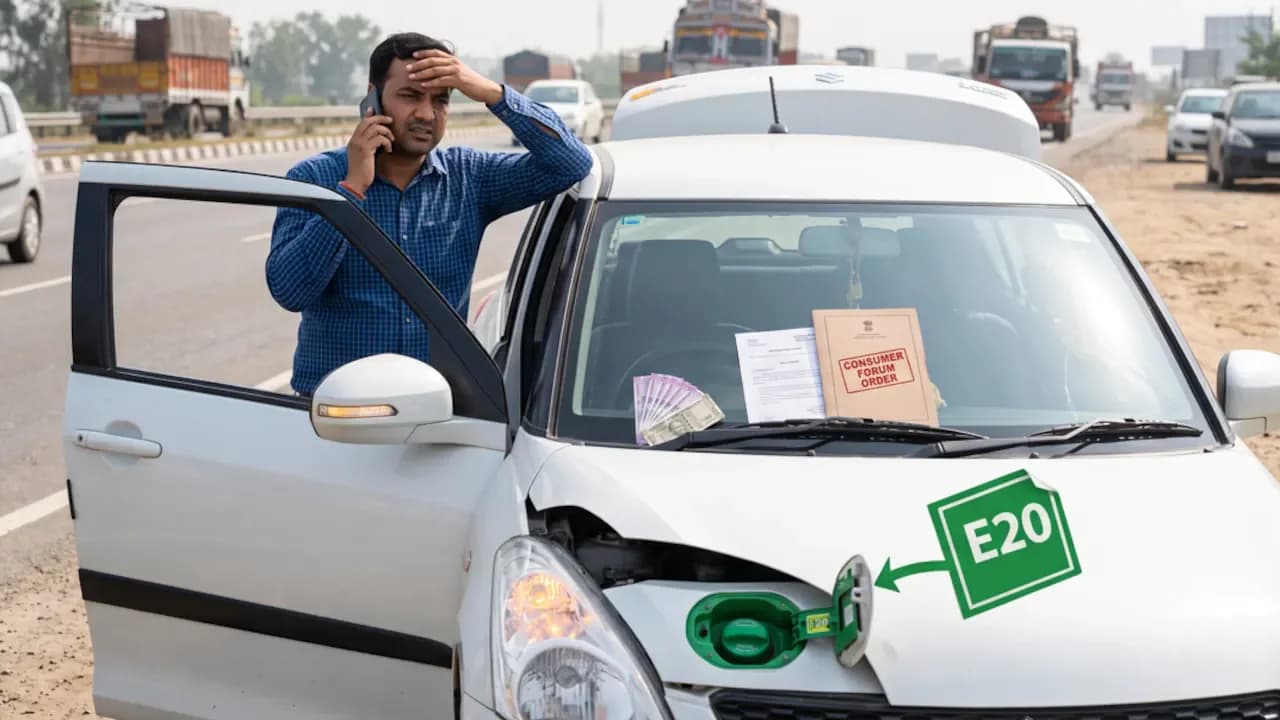
The Maruti WagonR E85 version costs ₹7.24 lakh ex-showroom, which is ₹86,000 more than the E20-compliant ZXI+ variant with a manual transmission. The ARAI-certified fuel-efficiency figure for the standard WagonR 1.2 MT is 23.56 kmpl, while the flex-fuel version is expected to be around 25% lower, likely around 17.9 kmpl. With current fuel prices, the standard WagonR will have a running cost of ₹4.33 per km, while the Flex Fuel version will have a running cost of ₹4.61 per km. Recent testing on the Suzuki Gixxer SF 250 FFV showed that E85 cost ₹2.85 per kilometre while E20 cost ₹2.68 per kilometre, with E85 adding ₹1,711 to the fuel bill over 10,000 km compared to E20. This difference of 28 paise per km may look small initially, but in the long run, that minor difference is going to cost the customer more and is mathematically impossible to recover under current pricing.
Experts estimate that total ethanol demand could rise from around 12 billion litres in 2025-26 to 30 billion litres over the next decade-and-a-half through 2039-40, even using a conservative adoption curve, as reported by Business Standard. According to KPMG, ethanol has contributed significantly to India's economic and environmental goals, contributing to lowering crude oil imports, generating foreign exchange savings, reducing carbon dioxide emissions and supporting rural incomes through stronger agricultural linkages. The introduction of E85 fuel does not replace E20 but creates an incremental demand layer on top of the existing blending ecosystem, with the transition from single-blend model to diversified fuel structure already showing early developments.
KPMG identified several structural barriers that could limit expansion beyond E20, including dependence on first-generation feedstocks such as sugarcane and grains, concerns over long-term scalability and resource use, demand limitations under fixed blending mandates, pricing rigidity under the current procurement framework, and infrastructure gaps for distributing multiple fuel grades. To address these issues, the report proposed a system-wide transformation based on five priorities: expanding feedstock options, creating demand beyond E20 limits, making pricing more market-responsive, upgrading infrastructure for multi-grade fuel delivery and strengthening the vehicle ecosystem. The study particularly highlighted the role of second-generation (2G) ethanol produced from agricultural residues, municipal solid waste and other non-food feedstocks as essential for long-term growth without adding pressure on food systems and natural resources. For flex fuel vehicles to make financial sense for everyday buyers, the government needs to price E85 aggressively enough to more than compensate for the fuel efficiency drop, and car manufacturers need to price flex fuel vehicles lower than their standard petrol equivalents.