The Delhi government's Electric Vehicle Policy 2026 has generated significant interest since its implementation on July 1, 2026, receiving 5,678 applications for various incentives. According to government officials, 1,664 applications have been processed with ₹4.8 crore released under different incentive categories. The latest data reveals that 29% of applications have resulted in payments, while 4,014 applications, nearly 71%, remain under scrutiny or processing. This processing timeline spans 83 days from July 1 to September 21, 2026, indicating substantial ongoing demand for electric vehicle incentives.
The policy has predominantly attracted two-wheeler EV applicants, with 1,648 beneficiaries receiving incentives from the processed applications. As reported by government officials, ₹4.61 crore has been disbursed specifically for two-wheelers, representing the largest category of approved applications. The policy framework offers tiered incentives for two-wheelers: up to ₹30,000 in the first year, ₹20,000 in the second year, and ₹10,000 in the third year of ownership. Of the 5,678 total applications, 5,621, more than 99%, were specifically for electric two-wheelers, demonstrating the category's overwhelming popularity among applicants.
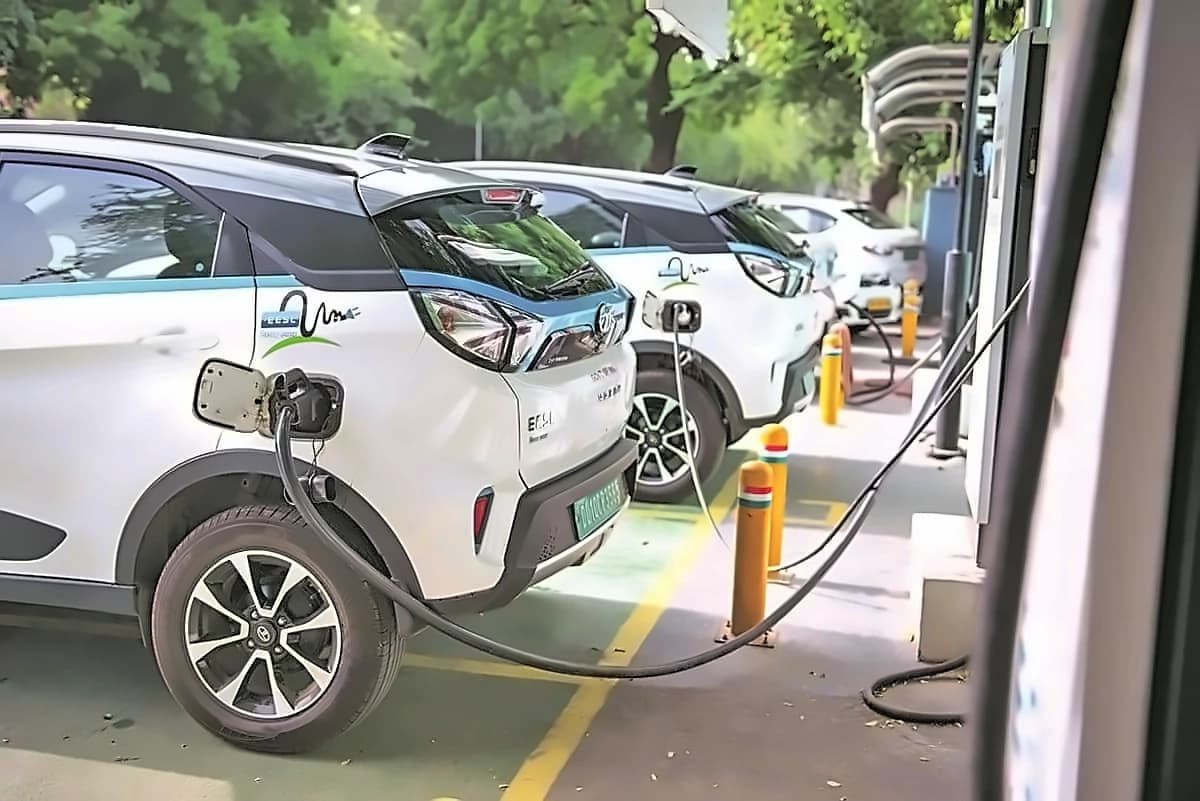
The policy includes a ₹1 lakh scrapping incentive for eligible BS-IV or older cars and ₹10,000 for eligible BS-IV or older two-wheelers when purchasing new electric vehicles. According to government data, 47 beneficiaries have received incentives for scrapping their older vehicles, with 25 e-two-wheeler scrapping beneficiaries receiving ₹2.50 lakh and 16 e-four-wheeler scrapping beneficiaries receiving ₹16 lakh. Chief Minister Rekha Gupta launched the online portal on July 3, 2026, providing a digital platform for applicants to access these incentives through Aadhaar-authenticated direct benefit transfer.
The official Delhi EV framework provides a 30-day window for eligible buyers to apply online after receiving vehicle registration certificate, with document verification and digital payment processes built into the system. The policy's structure offers comprehensive incentives across multiple vehicle categories, including purchase incentives for electric two-wheelers based on battery capacity. Looking ahead, Delhi plans to register only new electric two-wheelers from April 1, 2028, with existing vehicles unaffected and able to continue their valid registration periods. This 2028 registration deadline provides a clear timeline for the policy's transition from current incentives to mandatory electric vehicle adoption.