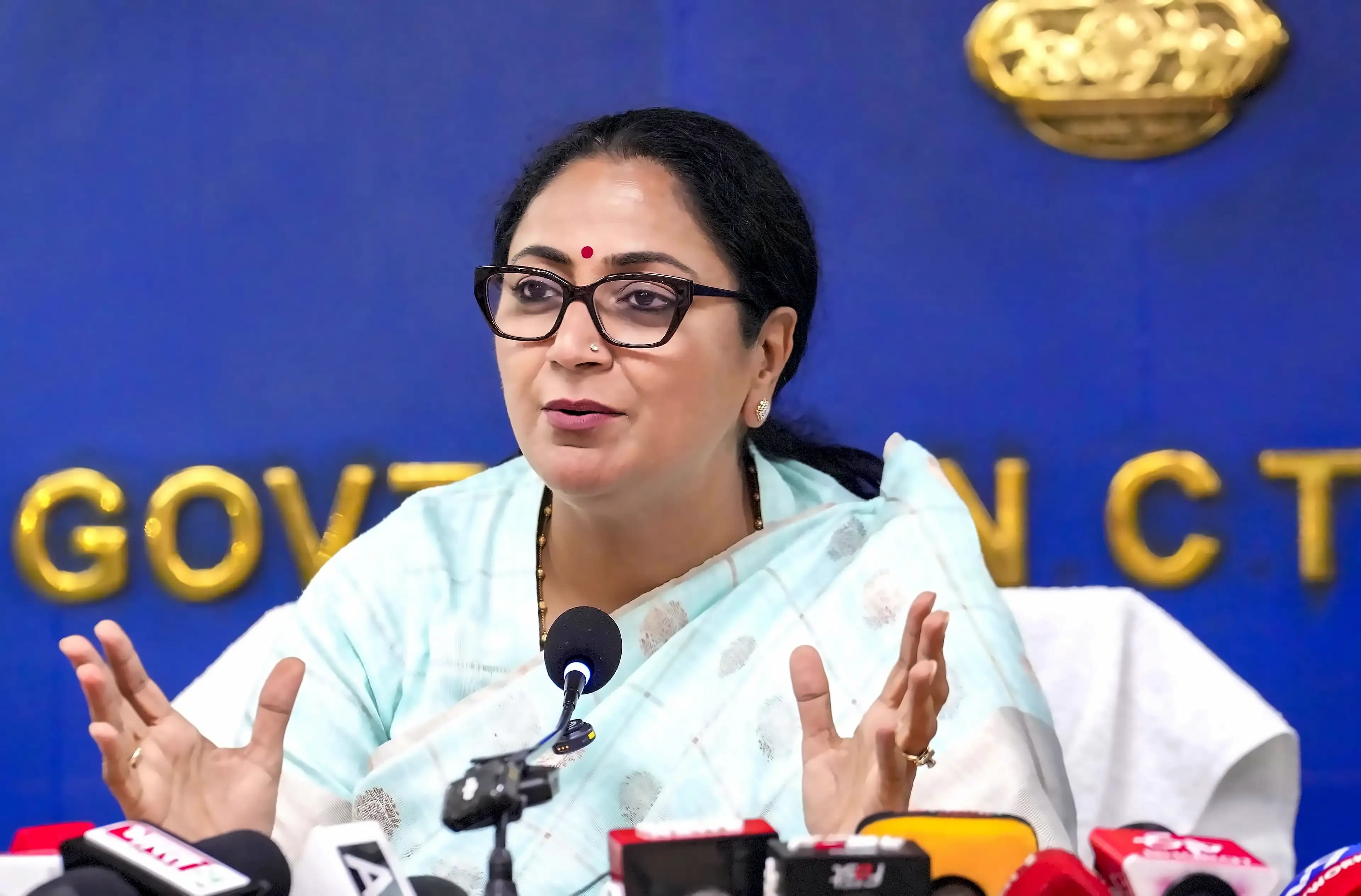
The Delhi government has announced a comprehensive solar initiative targeting 2.3 lakh households with monthly electricity consumption of up to 400 units by March 2027. According to reports from Mint, Chief Minister Rekha Gupta announced this target after the Delhi Cabinet approved the revised Delhi Solar Policy on Tuesday. The initiative aims to install solar systems on 2.30 lakh residential rooftops and add 500 MW of rooftop solar capacity by the specified deadline. As reported by The Times of India, the government aims to reduce people's electricity bills while supporting the installation cost of solar panels, with the facility benefiting households who could not install rooftop solar panels earlier due to high upfront costs.
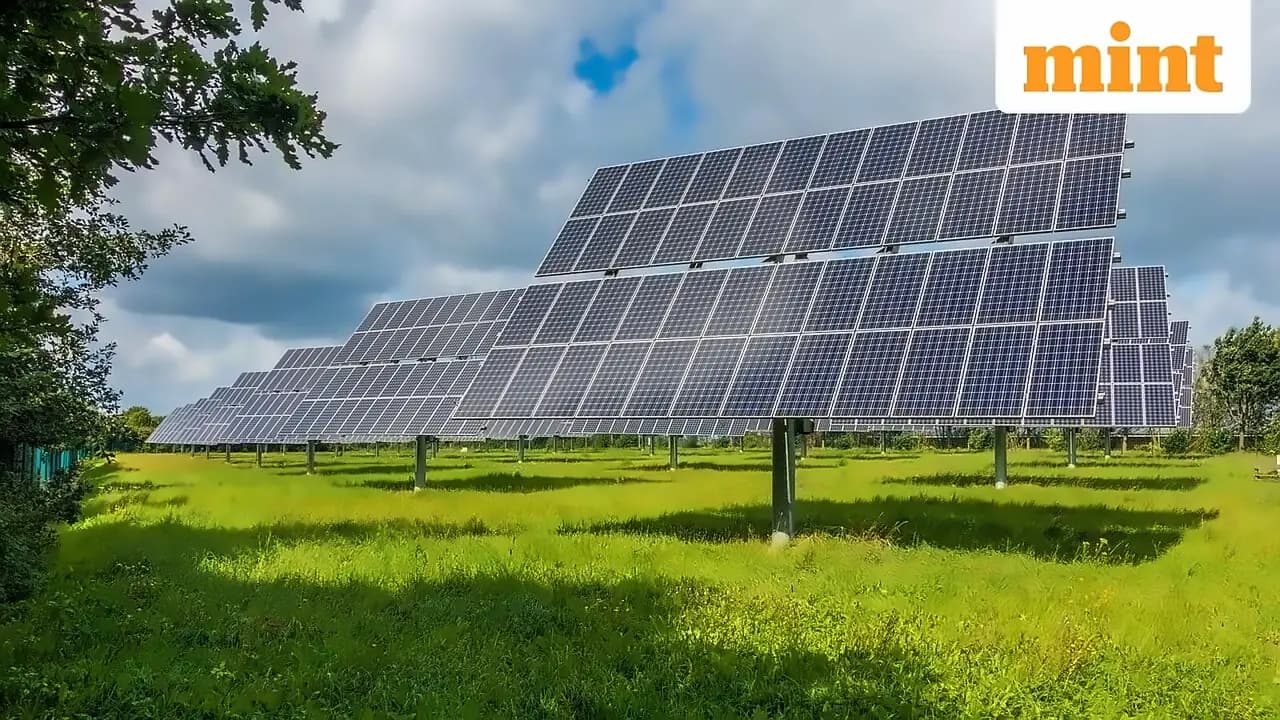
Under the revised policy, eligible domestic electricity consumers will receive 3kW rooftop solar systems without making any upfront payment, subject to technical feasibility. As reported by Mint, the Delhi government will provide a ₹78,000 capital subsidy, matching the amount offered by the Central government. The government will also provide an additional top-up to bridge the gap between the subsidy amount and the tendered cost of solar installation. According to The Times of India, the financial benefit will be provided upfront at the time of installation rather than through incentives spread over five years, representing a significant change from the previous structure. The Delhi government's subsidy will be provided over and above the assistance available under the Centre's PM Surya Ghar scheme, allowing eligible households to benefit from both central and Delhi government support. The government will bear the remaining installation expense after accounting for central and state subsidies.

According to the Chief Minister's Office statement reported by Mint, a 3kW solar installation can generate approximately 300 units of electricity. Households consuming up to 200 units can use the electricity generated by their solar system and export surplus power to the grid. This arrangement allows consumers to benefit from free electricity while participating in power generation and earning from surplus electricity. Electricity exported to the grid will be compensated at the average power purchase cost of the concerned distribution company. As reported by The Times of India, the government has reduced the time taken for residential net metering from around 75 days to 25 days, allowing households to feed surplus solar power into the grid under applicable arrangements. The government has also decided to waive registration fees for consumers installing solar systems of up to 10 kW, aimed at simplifying the installation process and encouraging more households to adopt rooftop solar power.
The revised policy eliminates the need for consumers to bear initial installation costs, with households consuming up to 200 units retaining their existing subsidy and being eligible for incentives linked to electricity saved by their solar systems. As reported by Mint, solar systems installed under the scheme will be operated and maintained free of charge by selected vendors for five years. After the initial five-year period, consumers can choose maintenance and insurance services offered through electricity distribution companies according to their requirements. The Delhi government's existing electricity subsidy will remain in place for eligible households. According to The Times of India, application and registration charges for residential solar systems have been waived, and implementation will be carried out through competitive bidding by IPGCL.
Chief Minister Rekha Gupta emphasized that the government's broader objective is to turn households from electricity consumers into producers by encouraging solar generation on suitable rooftops across the city. As reported by The Times of India, the government has already begun installing solar systems on government buildings and is working on solutions for households without suitable rooftop space. Delhi currently has 10,073 solar installations, a significant proportion of which are on government buildings, generating around 228 MW of solar power. The government has set a target of generating 500 MW of solar power in Delhi by February 2027. The existing electricity subsidy will continue alongside the rooftop solar benefits, allowing eligible households to avail both schemes. The initiative is aimed at addressing key hurdles that had slowed the uptake of the Centre's PM Surya Ghar Muft Bijli Yojana, particularly the high initial cost of installation.