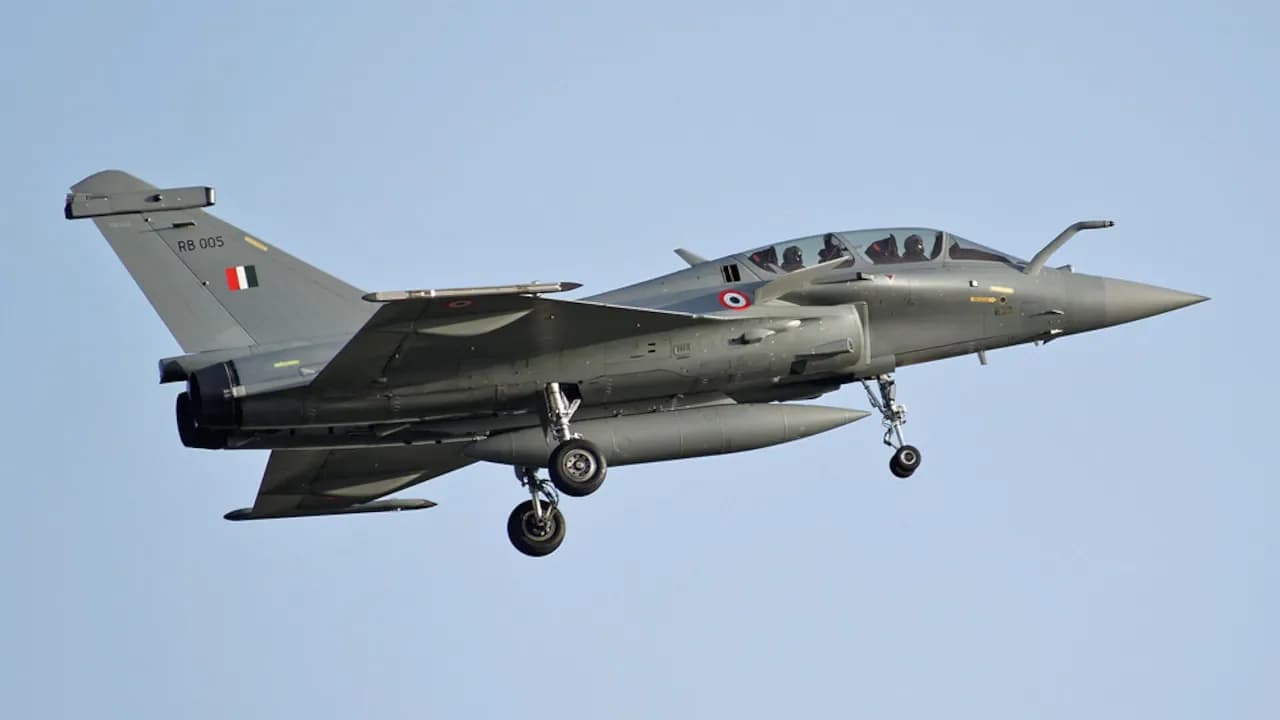
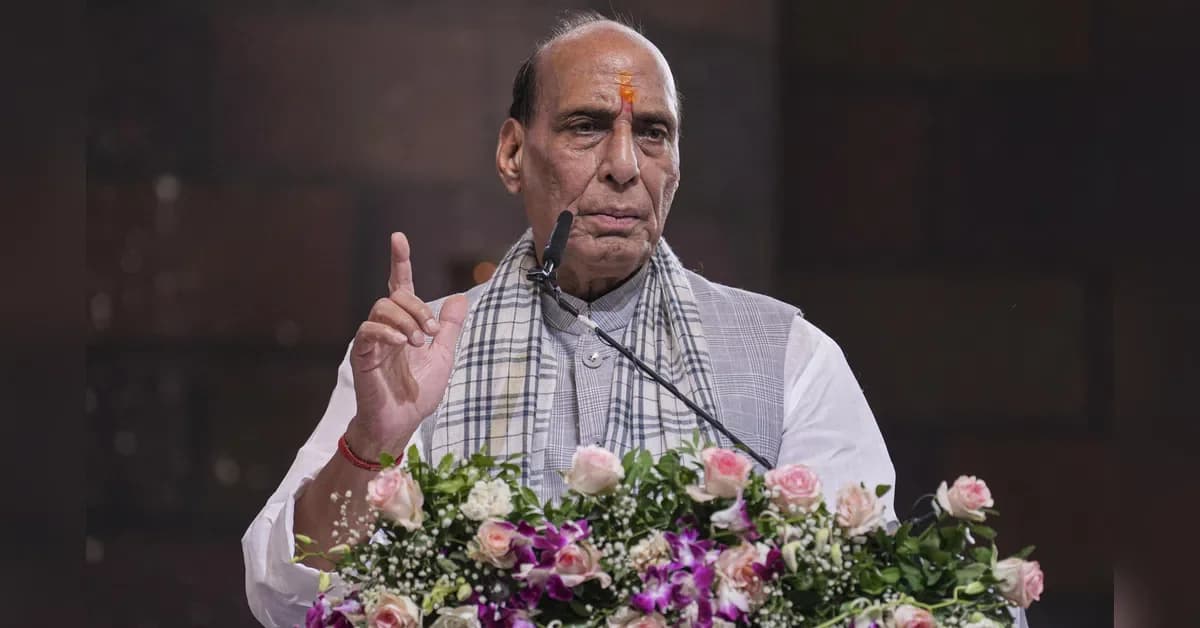
India has formally initiated efforts to join France's sixth-generation fighter jet development programme, with the Ministry of Defence confirming this development to a parliamentary panel. According to the latest parliamentary report, the ministry has been asked to chalk out a trajectory and step forward the planning process for the development and acquisition of sixth-generation aircraft to enhance India's air domain capabilities. The Ministry of Defence has told the panel that it has 'initiated efforts' to join the sixth-generation fighter aircraft development programme and sought from it the roadmap to acquire such aircraft. This collaborative approach is seen as more feasible for future combat aircraft given the development costs involved and technology required compared to going alone, as India is currently developing a fifth-generation fighter jet under the AMCA programme.
The partnership opportunity emerged after France's previous sixth-generation programme with Germany was cancelled in June 2026 due to serious differences on development direction. As reported by Economic Times, the collapse of the Franco-German plan has opened up an opportunity for India and France to jointly work on a sixth-generation combat aircraft under a new partnership. Preliminary discussions on the matter were undertaken at the defence ministers' level earlier this year, even as France and India negotiate a deal to manufacture Rafale fighter jets in India as well as co-development of fighter jet engines. Discussions for a possible collaboration on sixth-generation fighters figured prominently in talks between defence minister Rajnath Singh and his French counterpart Catherine Vautrin this February. The FCAS project first emerged in 2017 between France and Germany, but it couldn't proceed beyond the drawing board stage due to differences in approach by stakeholders like Airbus and Dassault.
The committee has identified that a technical upgrade of aircraft is 'top priority' for enhancing the air force's combat capability as part of its recommendations. According to the report, the Defence Research and Development Organisation (DRDO) is working on next-generation military technologies amid rapid advances in defence systems worldwide. The committee noted that the Advanced Medium Combat Aircraft (AMCA) is being developed as a fifth-generation fighter, while work is also being planned for sixth-generation fighter aircraft. These aircraft are expected to be network-centric and integrated with other military platforms and ground-based systems. The committee has recommended a dedicated allocation for critical and emerging technologies to help avoid funding bottlenecks and ensure timely implementation of strategic defence projects. The committee emphasized that developing capabilities in these areas would support future platforms, including next-generation combat aircraft and unmanned systems.
A key focus area identified by the Committee is the development of Supersonic Glide Missile systems, which combine supersonic or hypersonic speeds with the ability to glide and manoeuvre after launch. According to the report, these characteristics make such weapons extremely difficult to detect and intercept. The committee recommended adequate funding, time-bound development milestones and testing infrastructure for research into glide missile technology. The committee noted that indigenous development in the field would be important for the nation's preparedness as warfare increasingly relies on networked systems. Meanwhile, the Ministry of Defence told the Committee that DRDO's work on hypersonic technologies is progressing. The ministry said hypersonic weapons and missiles travel at speeds of Mach 5 or more and at low altitudes, and are highly manoeuvrable making them nearly impossible to intercept with current defence systems.
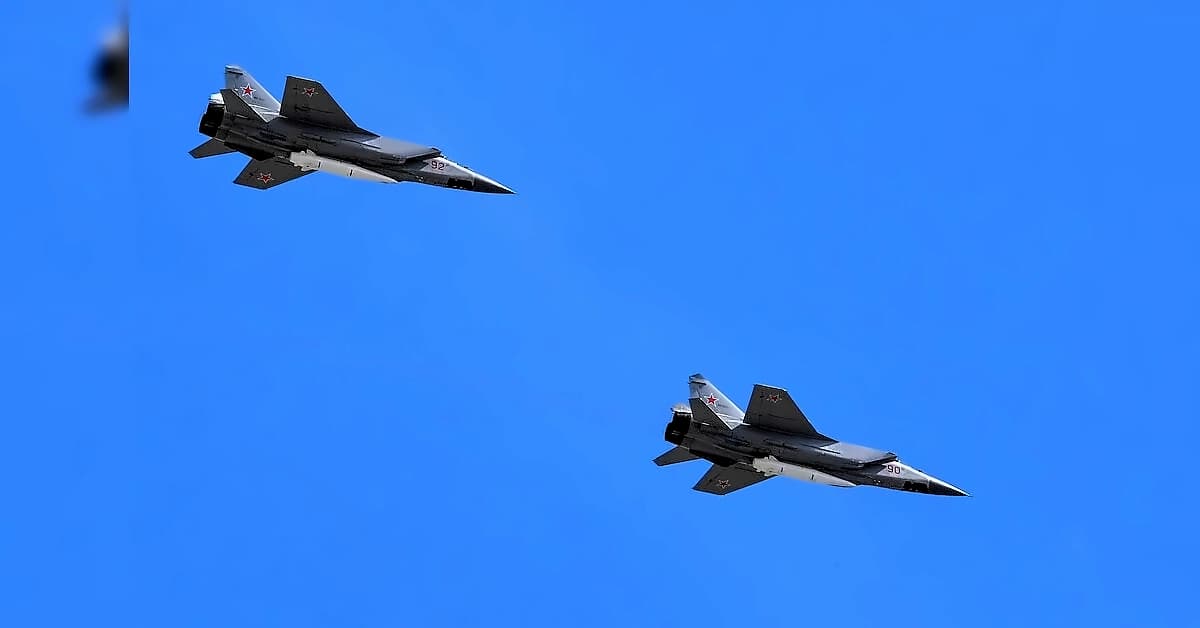
The Indian Air Force will try to join forces with one of the consortia and consider a sixth-generation fighter aircraft right away to ensure that they 'do not lag' in achieving the target for advanced aircraft, according to the parliamentary panel report. The committee emphasized that the design for the Advanced Medium Combat Aircraft (AMCA) has been developed, and discussions for its making are currently underway. The committee has requested the ministry to provide a detailed status report in development of acquisition of sixth-generation aircraft, and any roadmap prepared alongwith tentative timeline for acquisition of such aircraft at the time of submitting action taken statement for the committee's perusal. The committee noted that a 'status report on development and making of Advanced Medium Combat Aircraft (AMCA)' may also be given at the time of submitting action taken statement for the perusal of the Committee.
According to the committee report, the budget of the Air Force increased from 8.83 per cent of DSE in 2021-22 to 10.80 per cent in 2026-27, showing an evident increase in the percentage share of the revenue budget of the IAF out of the Defence Services Estimates. The committee noted that the overall percentage share of the IAF in the DSE budget needs to be increased further to galvanise it and keep the country combat-ready in view of the current geopolitical scenario and highly air-centric warfare. The panel emphasized that future budgets should prioritise the induction of state-of-the-art weapon systems and the development of requisite infrastructure to maintain the Indian Army's swiftness and further strengthen it. The committee's observations form part of its examination of the Government's progress on recommendations made in its earlier report on the Defence Ministry's Demands for Grants for 2026-27, with the report being presented in the Lok Sabha and laid in the Rajya Sabha on August 7, 2026.