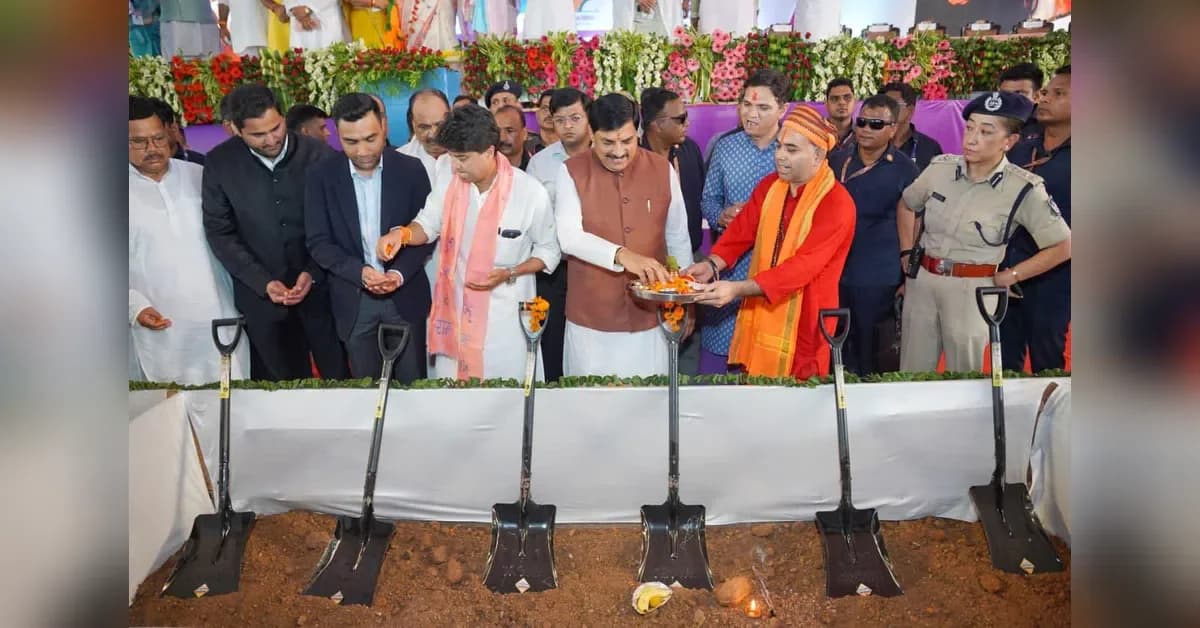
India's defence production has reached an all-time high of ₹1.78 lakh crore in FY 2025-26, representing a 15.6% growth over the previous fiscal year's output of ₹1.54 lakh crore and an 110% increase since 2020-21 (₹84,643 crore), as per the Ministry of Defence. This milestone demonstrates the significant progress in India's indigenous defence manufacturing capabilities. The growth trajectory shows substantial momentum in the sector, with the Defence Public Sector Undertakings and other PSUs accounting for approximately 76% of total production, while the private sector contributed 24%. This achievement has been instrumental in India's record defence exports performance, contributing significantly to the sector's overall growth.
The government has been pushing for greater private-sector participation in defence manufacturing through comprehensive initiatives including iDEX (Innovations for Defence Excellence), ADITI (Acing Development of Innovative Technologies with iDEX), and Make in India, besides earmarking 25% of the defence R&D budget for the private sector to reduce import dependence. As per Mint, the government has done a good job of publishing long-term technology roadmaps and specific projects that require innovation and IP through things like the iDEX challenges. The transparency in requirements has enabled customer discoveries, with armed forces and defence labs being very open about their needs, spending capacity, and potential order values. This has created visible opportunities for entrepreneurs, with the government's clearer demand for defence technologies driving more founders to emerge from government departments and research divisions.
India's push for defence indigenisation and space sector opening to private players is prompting former government scientists and second-time entrepreneurs to launch ventures. A 360 ONE Asset portfolio company, Sisir Radar, was founded by a former Indian Space Research Organisation (Isro) official who headed its Innovations Management division. Other examples include the founders of Skyroot Aerospace, who previously worked at Isro, and the founders of Red Balloon Aerospace, who have worked at both Isro and Skyroot. Even anti-drone defence manufacturer Armory's founder Amarjeet Singh had previously spent time at listed drone maker ideaForge before launching his own venture. Second-time founders are also entering defence and deeptech, with ShareChat founders Farid Ahsan and Bhanu Pratap Singh launching robotics company General Autonomy and raising $3.8 million from Elevation Capital and India Quotient.
The defence sector is witnessing significant investment activity, with 360 ONE Asset recently raising a ₹1,500-crore fund to back defence and aerospace businesses in India. The company plans to invest in 15-20 companies across the spectrum from early-stage to pre-IPO rounds, with roughly 20% earmarked for early-stage investments, 30% for growth-stage rounds, and 50% for late-stage and pre-IPO investments. At the early stage, investments typically range from ₹30-60 crore, while later-stage companies receive ₹60-150 crore investments. The firm's focus areas include electronic warfare, missile defence systems, counter-drone systems, artificial intelligence for defence, earth observation, mission intelligence and command systems, and manufacturing of microgas turbines and jet engines. This year, India's venture capital investors have allocated more capital towards deeptech, which has raised $2.5 billion across 218 deals compared with $1.6 billion across 465 deals in 2025, according to Tracxn.
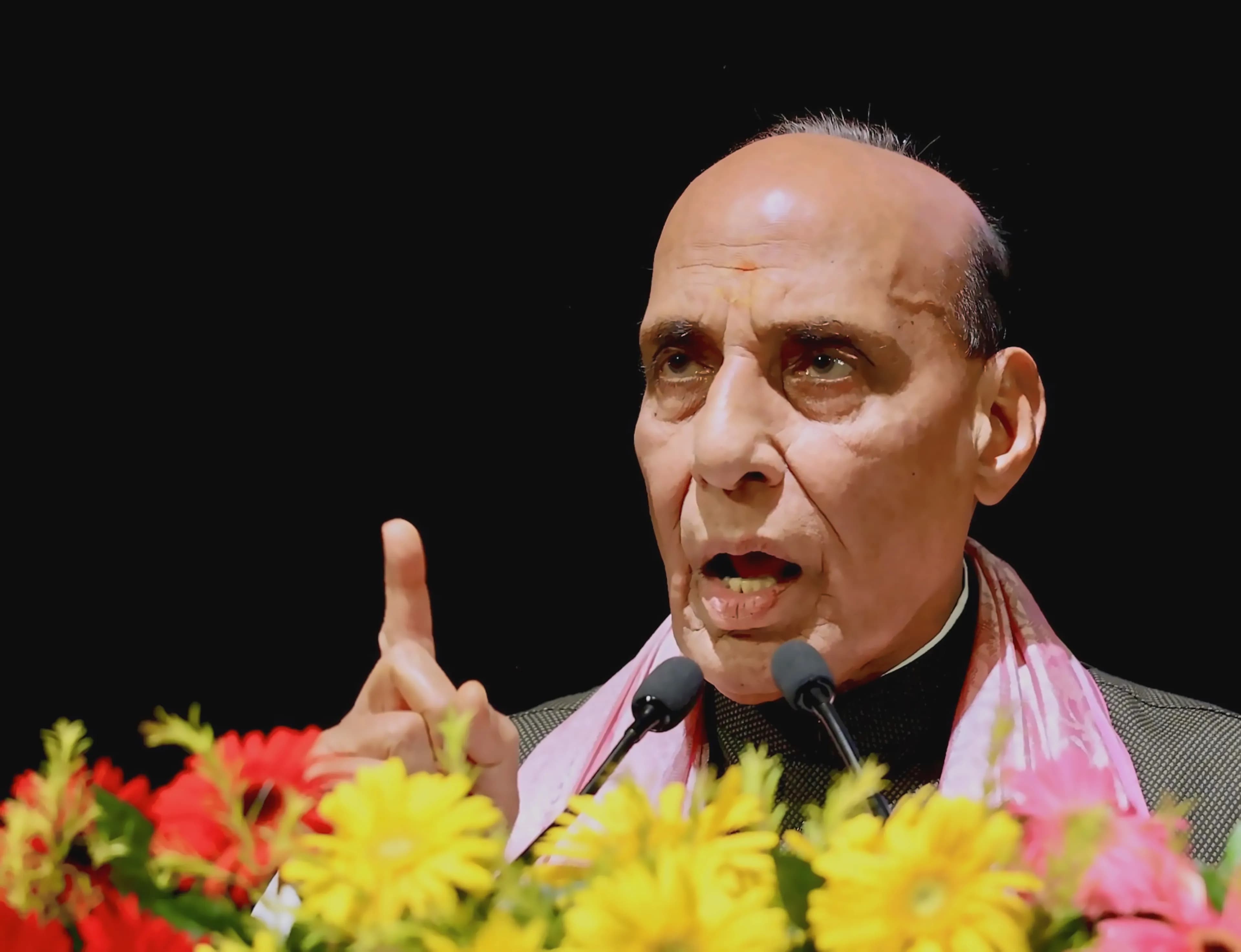
The ceremony marked significant milestones in India's indigenous aerospace capabilities, with the Dhruv NG next-generation civil helicopter receiving type certification from the Directorate General of Civil Aviation (DGCA) and being handed over to Pawan Hans Ltd. The final batch of the LCA FOC twin-seater trainers was handed over to the Indian Air Force, while the HTT-40 basic trainers from series production were also delivered to the IAF. Singh congratulated HAL and its personnel for establishing the organisation's credibility not only in India but also internationally, noting that the Dhruv NG had already been used for offshore operations. He expressed confidence that the HTT-40 had export potential and could attract international demand. The growth in defence production has contributed significantly to record defence exports of ₹38,424 crore in FY 2025-26, with India's defence exports registering a 62% year-on-year increase over the previous fiscal year's figure of ₹23,622 crore. Defence Public Sector Undertakings and the private sector contributed 54.84% and 45.16% respectively in registering this feat, as reported by the Ministry of Defence.