Principal Secretary to the Prime Minister Shaktikanta Das emphasized that trusted, timely and interoperable data is essential for evidence-based policymaking and data-driven governance. According to reports from The Times of India, Das made these remarks during a workshop organized by the statistics ministry on strengthening the national data system. The statement highlights the government's focus on data-driven decision-making processes.
MoSPI Secretary Saurabh Garg underscored the critical need to transition from siloed departmental data systems towards an integrated, interoperable and government-wide data ecosystem. As reported by The Times of India, this technical transformation is viewed as necessary for achieving comprehensive data governance across all government departments and agencies.
The workshop, organized by the statistics ministry, was held on September 08, 2026 at Rang Bhawan Auditorium, Akashwani Bhawan, Broadcasting House, Parliament Street, New Delhi – 110001. According to the latest press release from PIB Delhi, the event brought together Statistical Advisers and Chief Data Officers of all Central Government Ministries, Departments and Organisations (MDOs). The inaugural session was graced by Shri Shaktikanta Das, Principal Secretary-2 to the Prime Minister, Shri S. Krishnan, Secretary, MeitY, Dr. Saurabh Garg, Secretary, MoSPI and Shri P. R. Meshram, Director General (Data Governance), MoSPI. The meeting was attended by Statistical Advisers, Chief Data Officers as well as other senior officers and representatives from various Central Ministries/Departments of Government of India.
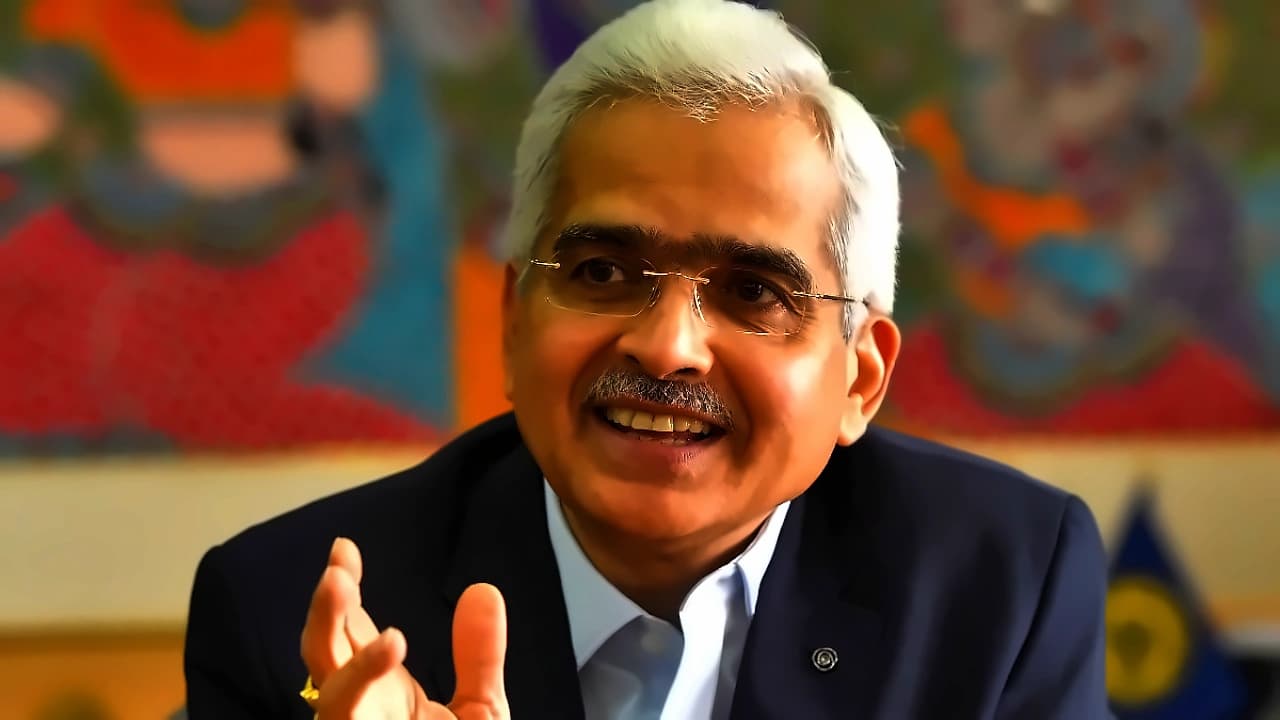
The workshop focused on "Data Harmonisation for Use of Administrative Data in Data Driven Governance" and aimed to strengthen the National Data System while promoting effective use and harmonisation of administrative data. As per the PIB Delhi release, the event showcased key initiatives including NMDS 2.0, SQAF, common identifiers and the QPR Portal, while MeitY presented the Model Data Sharing Framework and digital platforms for secure data sharing. The Ministry of Corporate Affairs demonstrated API-based interoperability, including beneficiary-validation use cases, and National Urban Digital Mission and Government of NCT of Delhi's Data DHARA highlighted the potential of harmonized data for real-time urban governance and improved service delivery. Technical sessions featured presentations on Data Harmonisation through the NMDS and QPR Portals; Model Data Sharing Framework and digital data-sharing mechanisms; institutional approaches to breaking data silos; AI-ready data ecosystems; Data DHARA methodology; India's Digital Public Infrastructure; UPYOG; health data; and preparation of thematic and extended accounts to measure the contribution of an MDO in the economy.