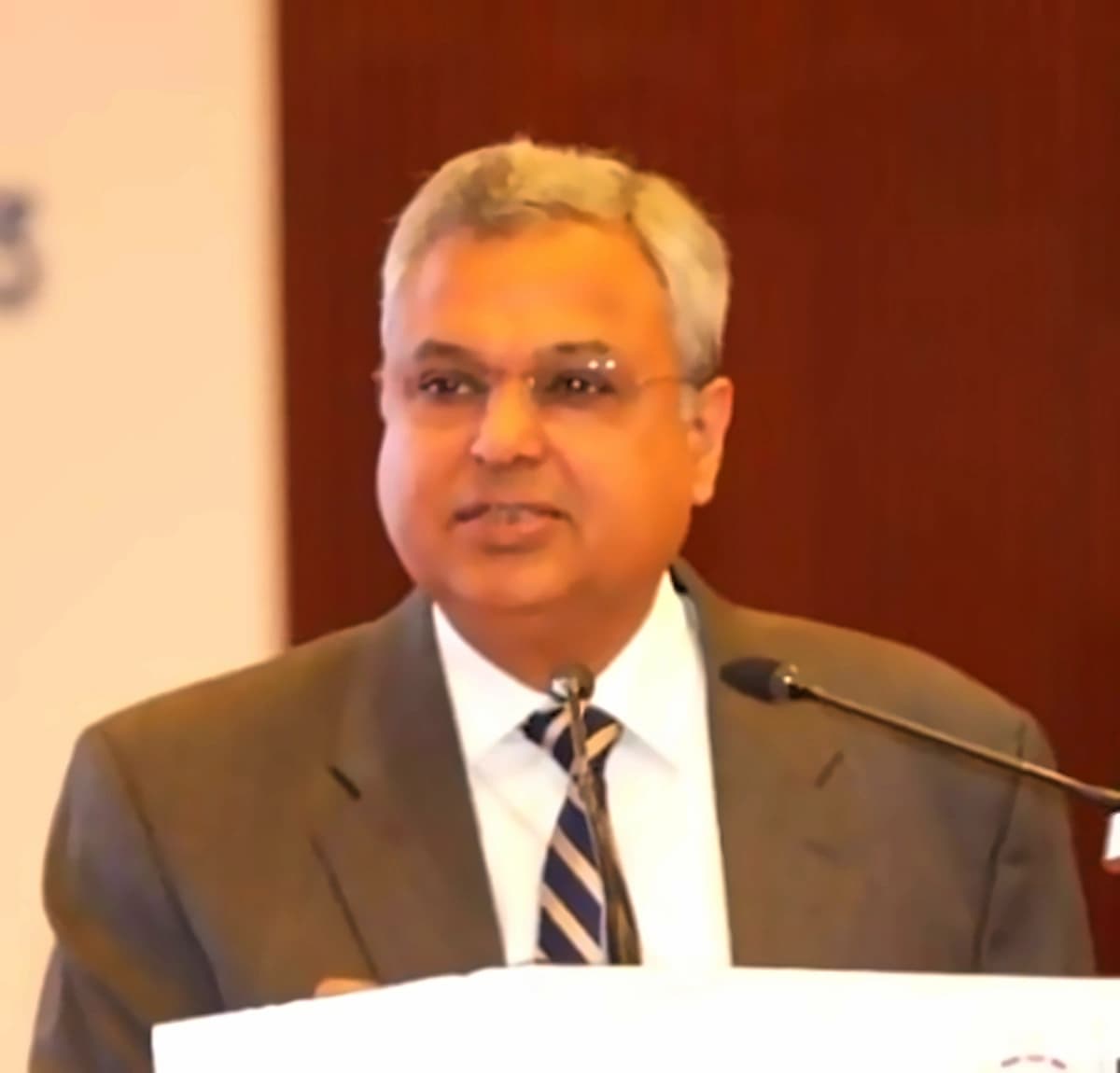
India is developing a first-of-its-kind common data platform (CDP) that will consolidate all official economic statistics from multiple databases and government agencies into a single platform. According to reports from Business Standard, the Ministry of Statistics and Programme Implementation (Mospi) is building this platform with plans to develop it into a dedicated large language model (LLM) for official statistics. This initiative aims to make data access seamless for policy makers, researchers and businesses by eliminating fragmentation across ministries, departments, and datasets. Statistics Secretary Saurabh Garg emphasized at the 20th Statistics Day celebrations that the next frontier is to transform this statistical foundation into a fully harmonised data ecosystem that powers intelligent, citizen-centric governance. The platform will replace fragmented portable document formats (PDFs) and spreadsheets with AI-enabled, multilingual and searchable data, making it more accessible and useful for various stakeholders.
An LLM is an advanced artificial intelligence system built and trained on vast amounts of text to understand and generate human-like language. As reported by Business Standard, this technology will enable users to access historical data and analyses reliably with prompts. The Chennai-based information-technology firm Bahwan CyberTek (BCT) has been awarded responsibility for delivering the CDP for Mospi's National Accounts Division (NAD). The platform will be built on a modern data lakehouse architecture and will provide AI-powered real-time analytics and reporting capabilities. According to Garg, in today's AI and machine learning environment, these simple building blocks become powerful enablers for unlocking interoperability, improving data discovery, and enabling advanced analytics that transform raw administrative records into actionable intelligence.
The National Accounts Division (NAD) is responsible for compiling key national economic indicators including gross domestic product (GDP), national income, savings, and capital formation. According to Business Standard, the division currently releases data sources in the form of PDFs and Excel sheets. N K Santoshi, director general (central statistics), Mospi, confirmed that the aim is to integrate these sources into a single platform, making GDP calculations easier. Currently, many indicators used in GDP compilation are taken from different releases, formats, and departments, running into about 300 sources. The initiative will integrate these nearly 300 official datasets from across ministries and the National Accounts Division into a unified and trusted platform.

Statistics Secretary Saurabh Garg outlined that administrative data harmonisation would rest on five pillars: compilation of metadata, data quality assessments, adoption of uniform classifications and standards, use of unique identifiers, and the resolution of definitional divergences across datasets. Reflecting on a national deliberative summit held in April to chart the roadmap for administrative data harmonisation with states and Union Territories, Garg noted that thinking has begun and alignment of thought across states and Union Territories for data harmonisation is taking shape. Newly appointed National Statistical Commission (NSC) Chairperson Saibal Chattopadhyay emphasized that administrative data must increasingly complement, rather than replace, traditional surveys and censuses while maintaining the highest standards of quality, privacy and confidentiality.
Vish Srinivasan, chief executive officer of BCT's Global Services Business, confirmed that the first phase involves data cleansing, structuring, and creating a centralised data platform over an 18-month period. As reported by Business Standard, the platform will transform management of India's economic statistics by integrating data from NAD's 18 business units and hundreds of disparate data sources into a unified and trusted data ecosystem. The solution will automate data integration, enhance data quality, and establish a centralised repository serving as a single source of truth. The initiative complements recent reforms such as Mospi's AI-readable eSankhyiki portal and its road map for harmonising administrative datasets. Garg emphasized that the way forward for Mospi is not merely about creating more data but about creating value from the data that is generated, with the platform enabling evidence-based and citizen-centric policymaking by allowing governments to monitor programmes in near real time, identify implementation gaps, reduce duplication, and generate more reliable insights from linked administrative datasets.