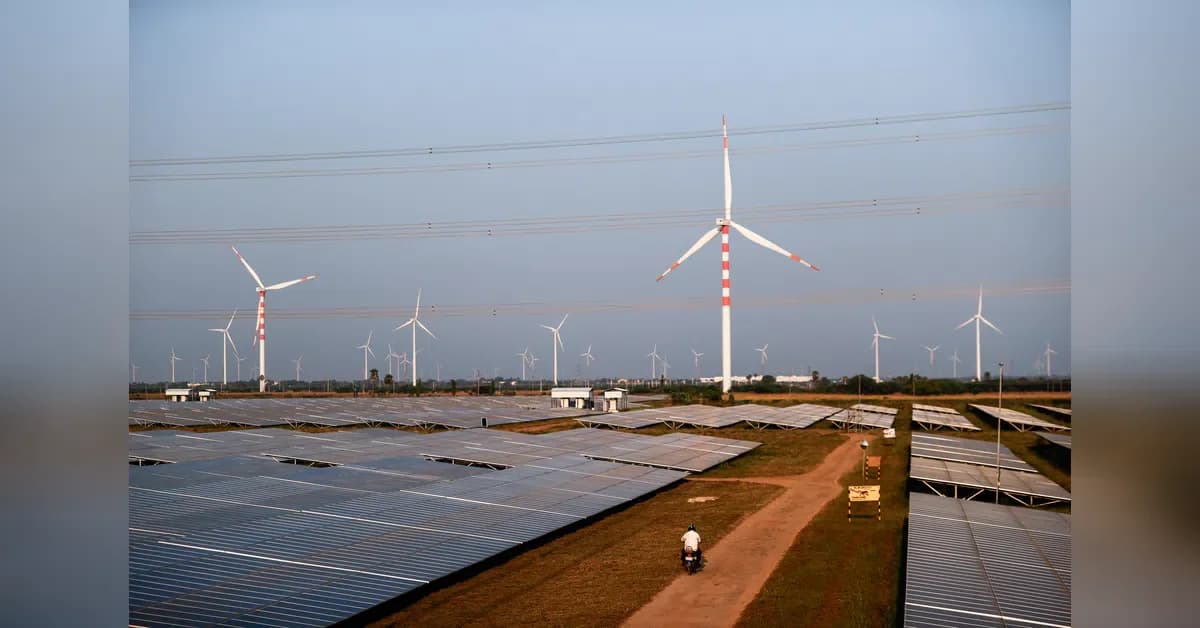
A transmission fault at Gujarat's Khavda renewable energy hub triggered cascading failures, knocking nearly 9,000 MW off the national grid in 16 seconds on May 13, marking the largest single-event disruption in India's power grid history. The incident originated at Khavda, a remote village in Gujarat's Kutch region that is home to the world's largest renewable energy complex at a single location, operated by Adani Green Energy, NTPC and Gujarat Industries Power Company (GIPCL). According to an eight-member expert committee report, the disruption began when the 400 kV Indore-Asoj transmission line tripped at 2:02:39 pm, triggering low-voltage ride-through events that propagated through the Western Region grid. The sudden disconnection caused grid frequency to plunge to 49.39 hertz, triggering under-frequency relays across several regions and raising concerns about national grid stability.
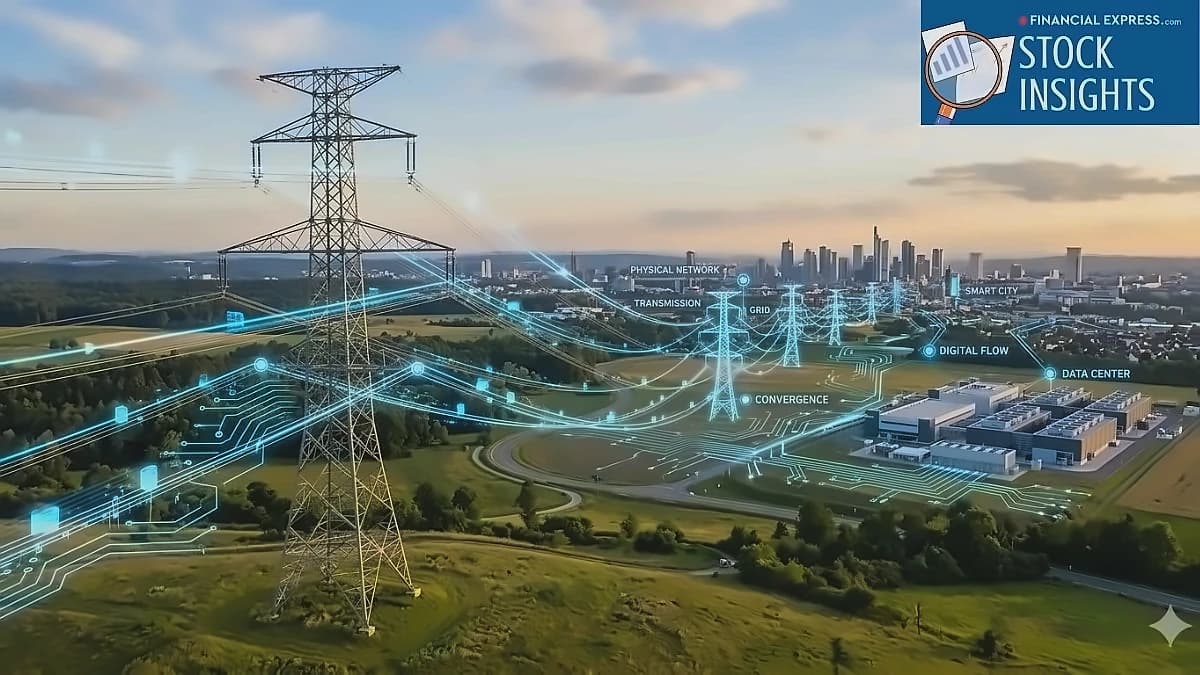
State governments have agreed to finalize comprehensive plans to expand transmission lines and power substations to help integrate more renewable energy into the power grid, according to the Union power ministry. At the two-day power ministers' conference that ended on Saturday, states agreed to immediately finalize Transmission Resource Adequacy roadmaps with clear line and substation targets, adopt Tariff-Based Competitive Bidding (TBCB) for intra-state transmission (InSTS) projects, and adopt revised CEA Technical Standards. The push comes amid growing instances of renewable power generation curtailment, mostly in Rajasthan and Gujarat, due to lack of evacuation capacity, and following the Khavda incident that exposed critical weaknesses in grid infrastructure. The committee's analysis points to the need for adding more interconnecting transmission lines, installing synchronous condensers, and adding Grid-forming inverter-based resources to strengthen grid connectivity around renewable energy complexes.
Renewable energy curtailment has reached critical levels, with variable renewable energy curtailment rising significantly to 2,212.8 million units in July-September 2026, an 18% increase from 1,874.09 million units in the quarter ended June, according to JMK Research. During the two-day conference, states agreed to review their resource adequacy plans for up to FY29-30, ensuring verified transmission connectivity and realistic demand projections and submit them within one month, backed by quarterly tracking of incremental capacity additions and resource tie-ups. The curtailment occurs when grid capacity to absorb power is lower than renewable energy generation capacity, even when sunlight or wind conditions allow projects to generate more power. The Khavda incident demonstrated how quickly generation deficits can cascade into system-wide frequency drops, highlighting the urgent need for grid strengthening measures.
To ensure reliable round-the-clock power without over-relying on costly short-term market purchases, states will drive a 15-fold expansion in energy storage, prioritising battery and pumped storage procurement, including through state's own investments and upcoming NTPC and SECI plans of 40GWh each, while tracking projects end-to-end from site selection to equipment delivery. States were advised to install energy storage in mission mode and rely more on RE plus storage. The ministry emphasized that states need to identify their power requirements well in advance and sign more battery storage contracts along with clean energy to address the current capacity gap. The Khavda incident revealed that reactor power resources failed to deliver swift responses during overvoltage conditions, with the committee noting that continued reactive power injection during overvoltage contributed to escalation of bus voltages and cascading line trips.
Addressing the media on Saturday, Union power minister Manohar Lal said the conference focused on improving the financial health of power distribution utilities. States agreed to clear pending government dues within a quarter and transition all government connections to prepaid smart meters operated on an advance recharge basis rather than waiting for budgetary releases. States with slow installation rates were urged to accelerate awards and saturate government, commercial, and industrial consumers. The reforms aim to eliminate recurring government electricity arrears and reduce power purchase costs and subsidy burdens. The Khavda incident underscores the critical importance of these reforms, as grid stability depends on efficient distribution and payment systems that can support renewable energy integration.