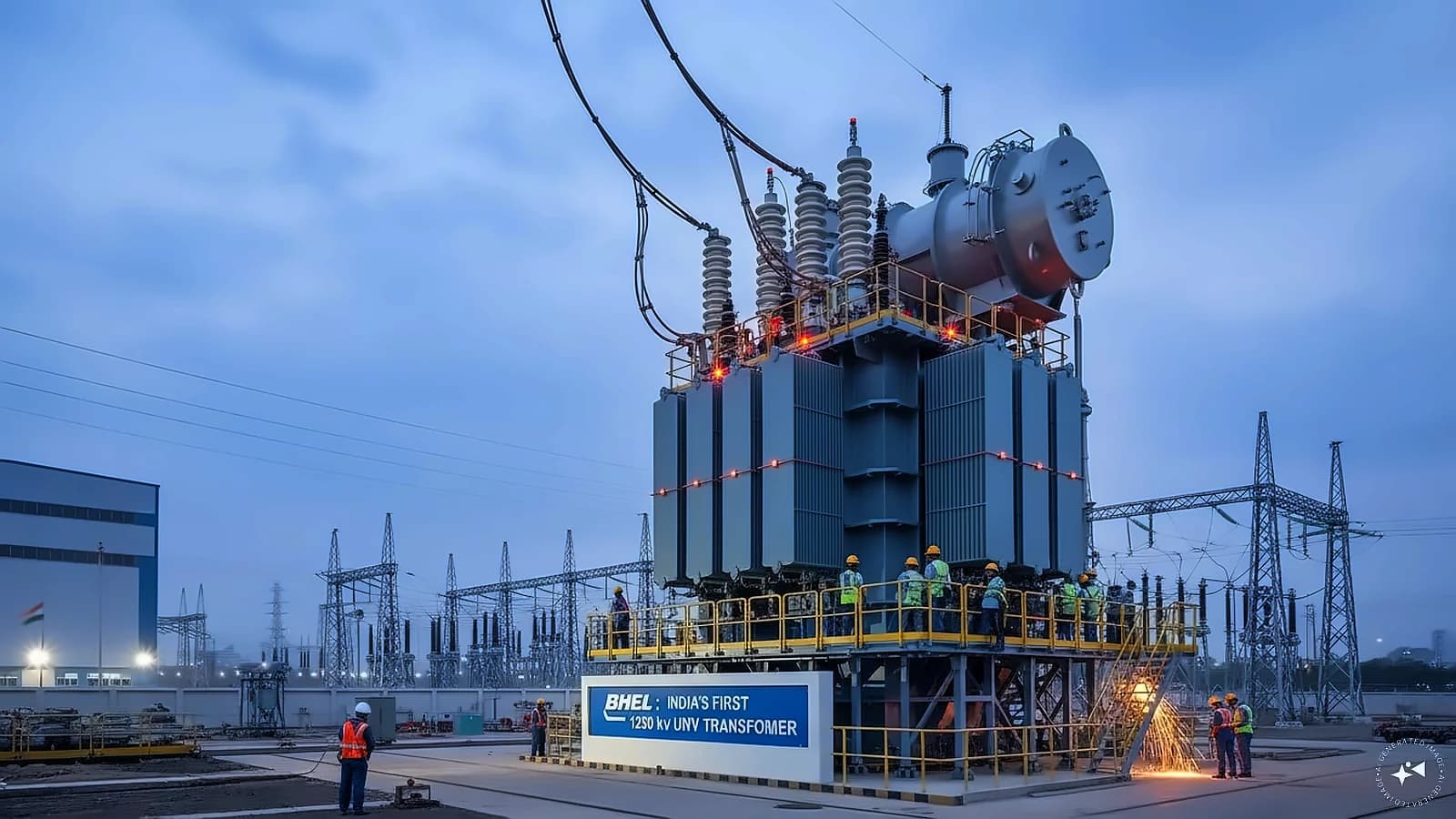
India is planning to integrate a 1,150 kV ultra high voltage transmission system into its power grid to support large-scale renewable energy expansion and long-distance power transfer. According to reports from Business Standard, when implemented, this move will make India only the second country in the world, after Kazakhstan, to operate a 1,150 kV transmission network. Currently, China primarily uses the 1,000 kV AC and up to 1,100 kV DC networks, while India's grid comprises mostly the 220 kV, 400 kV and 765 kV AC networks. However, as noted by industry experts, the real test will lie in execution, with corridor width, tower height, insulation design, long-rod insulators, hardware fittings, breakers, transformers, and reactive compensation systems all requiring technical validation, domestic manufacturing readiness, and regulatory approval.
The landmark proposal is part of a larger plan proposed by the Central Electricity Authority (CEA), which also covers stricter reliability provisions for critical loads such as data centres, revised norms for renewable energy integration, and additional voltage stability requirements. As reported by Business Standard, this would require changes to the provisions of the 2023 'Manual on Transmission Planning' criteria, maintained by the power ministry. The CEA stated in a notification seeking comments that "In order to include the provision for 1150 kV high voltage AC transmission system, the Manual is proposed to be amended."
The National Electricity Plan has lined up approximately ₹9.15 trillion of transmission investment by 2032, according to Rohit Vijay, associate fellow at the Centre for Social and Economic Progress. As reported by Business Standard, UHV-class transformers, reactors and switchgear cost several times more per unit than equivalent EHV equipment, so even a few projects at this voltage change the order mix. Simarpreet Singh, CEO of Hartek Power, noted that the amendment could open up an investment cycle in India's transmission supply if the rollout is phased, technically validated, and aligned with actual system-planning needs. In a country where right-of-way constraints are becoming one of the biggest challenges for grid expansion, UHV transmission offers an important large-scale long-distance power transfer solution, as noted by industry experts.
A 1,150 kV UHVAC line can potentially transfer 6-8 Gigawatt (GW) of power, depending on conductor configuration, stability limits, and system conditions, as reported by Business Standard. This is substantially higher than typical 765 kV and 400 kV transmission capacities. Higher voltage operations reduce the current for the same power transfer, thereby lowering copper losses and reducing the number of parallel transmission corridors required. The system is designed to enable large-volume and long-distance bulk power transfers while minimising technical-line losses and right of way issues that delay progress and deter investment. India including 1,150 kV in its planning framework signals that it is preparing for this change in the future, according to industry experts.
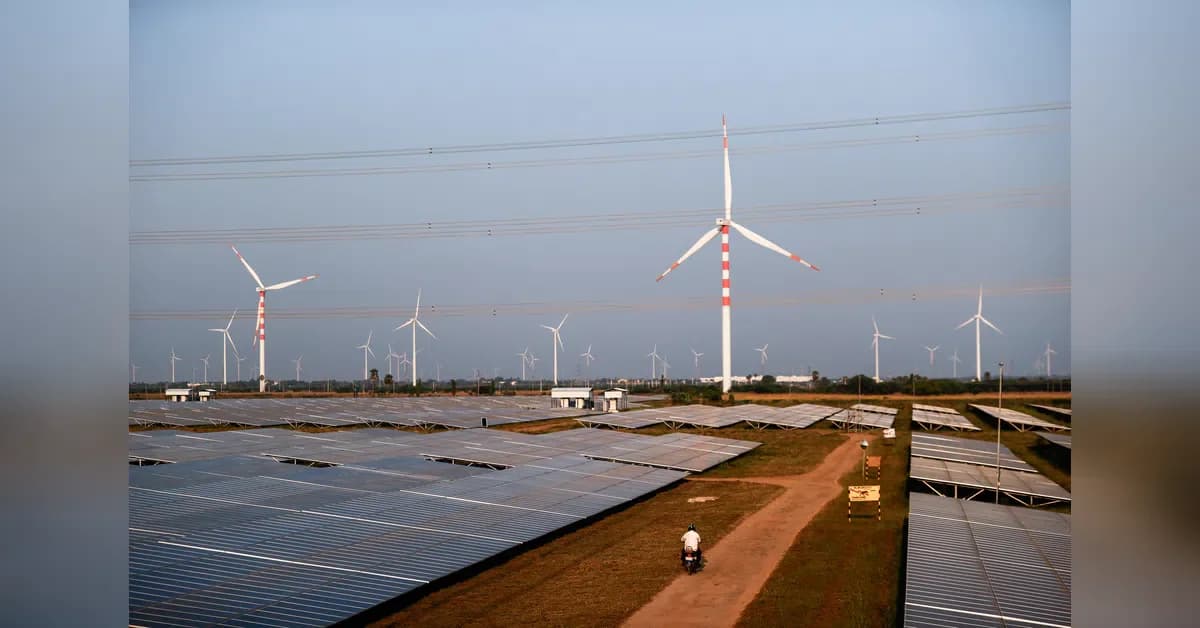
Experts highlight that the proposed move towards 1,150 kV UHV AC transmission marks a shift from incremental grid expansion to a higher-capacity national power-transfer architecture. According to Business Standard, India is committed to high renewable energy integration in years to come, and the National Electricity Plan requires 191,000 circuit km of new lines, with inter-regional capacity rising from 119 GW today to 168 GW by 2032. The business opportunity is expected to benefit EPC players, tower manufacturers, line hardware suppliers, and original equipment manufacturers, with the largest margin opportunities potentially accruing to OEMs and specialised grid-technology companies.