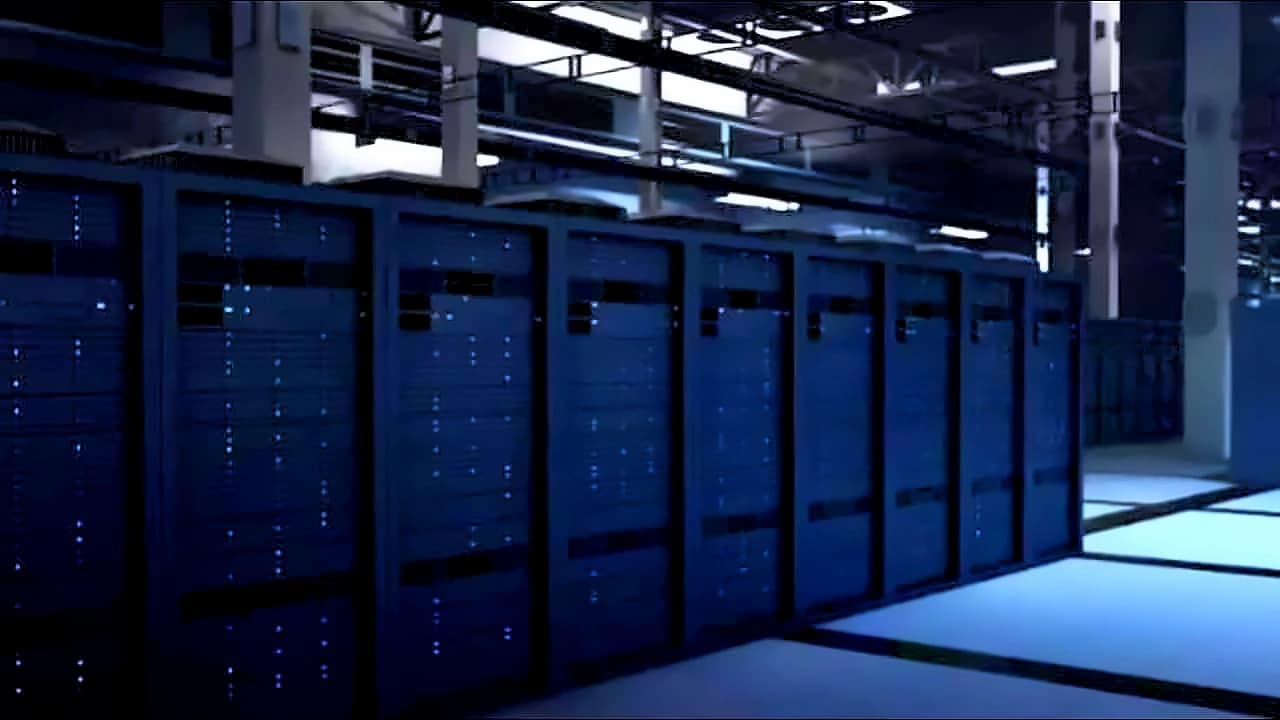
India's ₹3 lakh crore grid upgrade is creating a silent infrastructure boom, driven by the country's aging power distribution network requiring digital transformation. According to reports from The Financial Express, the investment surge in data centers and renewable energy is acting as a tailwind for this modernisation effort. AI-ready data centers require substantial power loads that fluctuate dramatically, with power demand spiking from 100 megawatts to 250 MW in seconds as reported by Hitachi Energy. This creates massive, instantaneous spikes in electricity demand that legacy grids cannot absorb, necessitating digitalised network and infrastructure upgrades. Union Renewable Energy Secretary Santosh Kumar Sarangi recently emphasized that India may need a 'China-like super grid' to fully unlock its clean energy ambitions, underlining the scale of infrastructure the country will require as renewable energy capacity rapidly expands.
The government's Revamped Distribution Sector Scheme (RDSS) is driving significant smart meter deployment across the country. As reported by The Financial Express, 4.7 crore smart electricity meters have already been installed as of November 15, 2025, with 25 crore smart meters targeted for completion by March 2028. The RDSS scheme aims to reduce losses, modernise infrastructure, and improve the financial health of distribution companies. This represents a critical component of grid modernisation alongside nuclear power and green hydrogen initiatives.
Hitachi Energy India is actively building components and software systems for the modernised grid infrastructure. The company has an order backlog of ₹29,872 crore as of Q3FY26, providing revenue visibility of approximately 4 years based on TTM revenue of ₹7,277 crore. Utilities and industries contributed almost equally, with utilities at 47% and industries at 43%, while transport and infrastructure accounted for 10%. KEC International maintains an order book of ₹36,725 crore as of Q3FY26, providing 18 months of revenue visibility with transmission and distribution accounting for 64% of the order book.
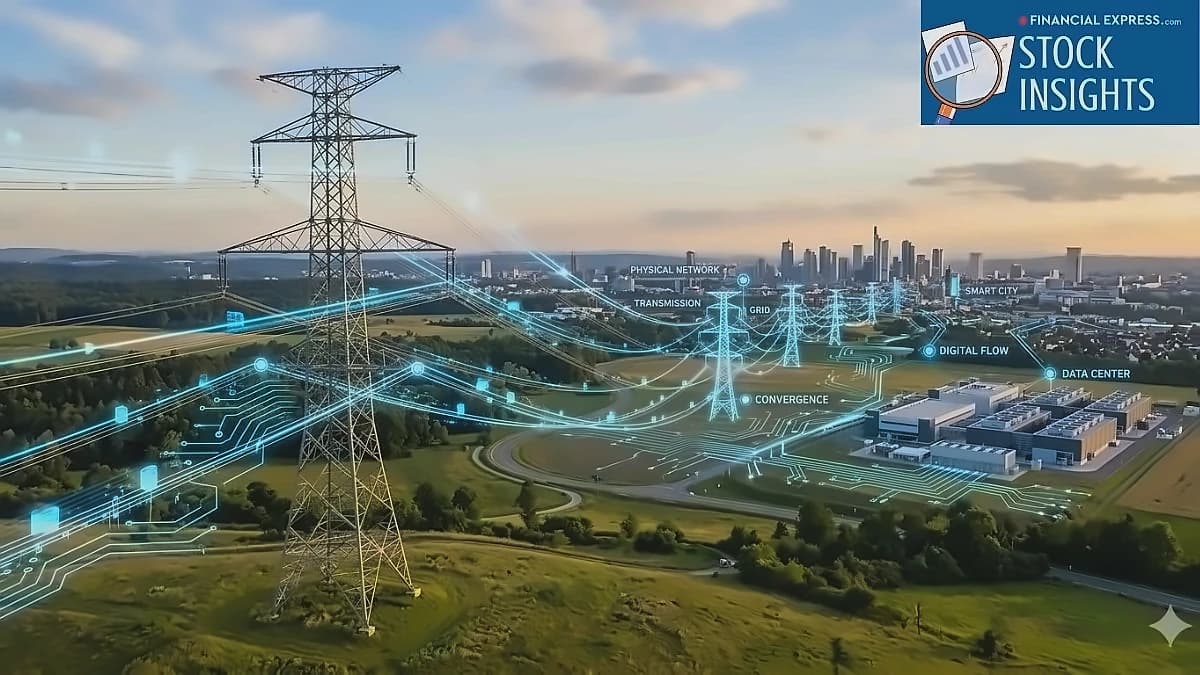
Companies are targeting the 'edge of the grid' expansion covering data centers, battery energy storage systems, and electric mobility. Hitachi Energy recently commissioned an advanced microgrid at its Mumbai factory and is executing a 1 GW HVDC project in Mumbai designed to increase the city's power supply capacity by nearly 50%. KEC International is executing a 1 GW HVDC project and has secured its first-ever STATCOM order for grid stabilisation. Schneider Electric Infrastructure is pioneering pure-air insulated switchgear to eliminate SF6 gas and offers plug-and-play E-House substations for rapid infrastructure deployment.
From a valuation perspective, Hitachi Energy trades at 161.0 times P/E compared to the industry median of 42.2, while KEC International trades at 20.0 times P/E against the industry median of 40.0. Schneider Electric trades at 120.0 times P/E versus the industry median of 79.0. KEC offers the most attractive valuation with superior return ratios, while both Hitachi and Schneider pose risks due to their high valuations. The multi-year capex cycle has opened opportunities for companies positioning themselves at the centre of India's grid modernisation push through smart grids, digital substations, and automation-led infrastructure development.