The government is actively addressing the cost differential between green and conventional grey ammonia that currently makes green urea production uncompetitive without support. According to Business Standard, the government is looking at various options, including a subsidy roadmap on the offtaker side, to shield local urea manufacturers from this cost gap. In the recent pre-Expression of Interest (EOI) meeting, several options to shield manufacturers were discussed, with industry players noting that making green urea without support is uncompetitive. The Department of Fertilisers issued the EOI earlier this week and recently conducted a high-level pre-EOI meeting chaired by Dr. K.K. Pathak, Joint Secretary (Department of Fertilisers).
The proposed solution involves Solar Energy Corporation of India (SECI) acting as an intermediary to address the cost differential. As reported by Business Standard, under this arrangement, SECI would procure green ammonia from producers and supply it to domestic fertiliser companies at grey ammonia-equivalent prices, benchmarked to a two-week average of Platts and Argus indices, adjusted for customs duties and local logistics costs. The Department of Fertilisers would cover the residual price difference. A procurement target of 7.24 lakh tonnes per annum of green ammonia is planned under this arrangement, which would be allocated via a competitive e-reverse auction managed by SECI.
The Ministry of New and Renewable Energy (MNRE) has been assigned a potential outlay of ₹19,744 crore to accelerate green energy infrastructure, while the Department of Fertilisers has been tasked with creating an institutional and market-parity framework to integrate green ammonia into the national fertiliser manufacturing chain. According to Business Standard, the roadmap envisages financial support spanning multiple ministries, though allocations remain proposals pending formal approvals. The Department of Fertilisers will develop the policy framework required for integrating green ammonia into fertilizer manufacturing, while the Ministry of New and Renewable Energy has earmarked ₹19,744 crore under the mission to support green energy infrastructure.
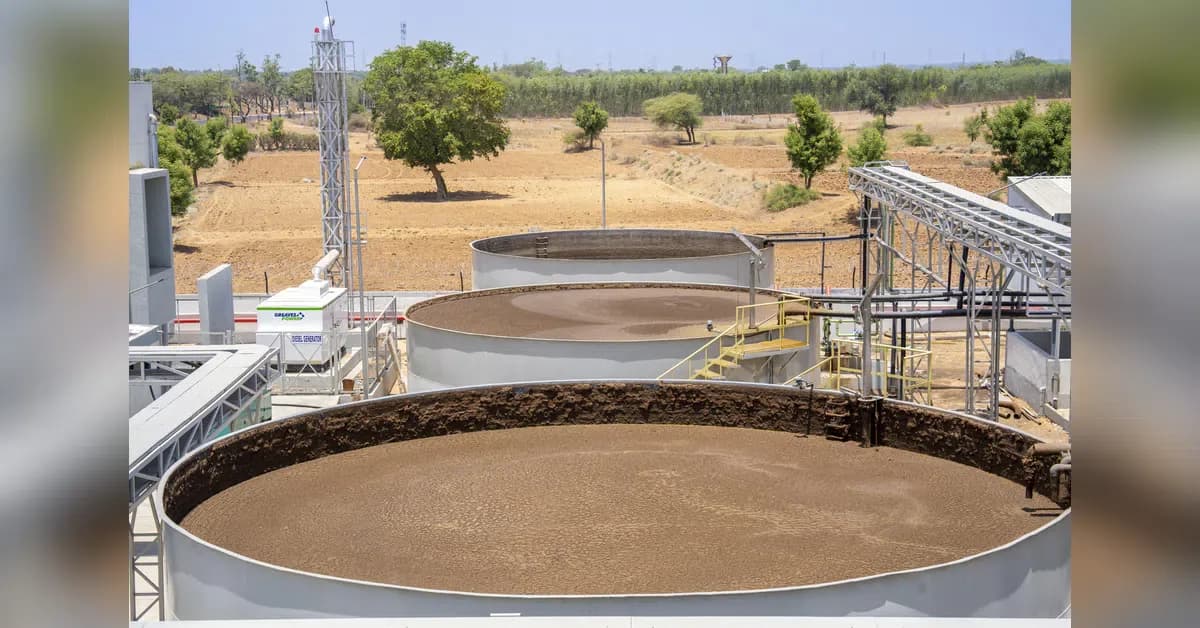
Discussions focused on technical processes using the 150-tonnes-per-day Green Urea pilot plant at Pudimadaka in Andhra Pradesh, developed by NETRA, the research and development arm of NTPC. According to Business Standard, green urea production requires carbon dioxide as a synthesis feedstock, making captured carbon dioxide from thermal power, cement and steel plants an essential input. A world-scale urea plant with an annual capacity of 1.27 million tonnes would require nearly 1 million tonnes of carbon dioxide per year. The pilot plant demonstrates the integration of advanced Carbon Capture and Utilization (CCUS) systems with water electrolysis, supporting the use of carbonated fly ash, food-grade materials, and synthetic fuels.
India currently imports around 10 million tonnes of urea annually, with many domestic plants over 30 years old, underscoring the need for significant new production capacity. According to Business Standard, the second alternative discussed was a direct financial incentive scheme under the National Green Hydrogen Mission to encourage private sector participation in green ammonia. The massive turnout from prospective players across the entire value chain indicates the keen approach of everyone involved to bring this initiative to reality in the near future. This represents a thoughtful and well-structured push toward carbon-neutral fertilizer production, technological self-reliance, and a greener future for Indian agriculture.