India is set to introduce a comprehensive program to spur compressed biogas production through higher guaranteed purchase prices and subsidies for new plants. According to reports from Business Standard, the policy expected to debut this month will increase the offtake price of compressed biogas (CBG) and offer financial benefits to companies for spending on new projects. The goal is to increase the number of operational CBG plants over the next several years to about 700 from roughly 200 currently, as reported by people familiar with the matter. This initiative comes as India faces mounting pressure to reduce its heavy reliance on imported energy sources, with the country importing nearly 90% of its crude oil requirements and much of its natural gas via the Strait of Hormuz. The policy is a bid by Prime Minister Narendra Modi's government to lower carbon emissions and cope with soaring fossil fuel costs, with the program dubbed Sampoorn meaning 'complete' or 'perfect' in Hindi.
State-owned oil marketing companies and gas utilities currently pay gas producers around ₹72 ($0.76) to ₹74 a kilogram for CBG, which is blended with other natural gas that is supplied to households and automobiles via pipelines. As reported by Business Standard, India's oil minister revealed in February that the country's 134 CBG plants were producing about 930 tons of biogas per day, which would be less than 1% of its consumption needs. The new program, dubbed Sampoorn meaning 'complete' or 'perfect' in Hindi, will be implemented by India's Ministry of Petroleum and Natural Gas. This pricing structure is crucial as India seeks to reduce its energy import dependency, particularly given the current geopolitical tensions that have exposed vulnerabilities in traditional energy supply chains.
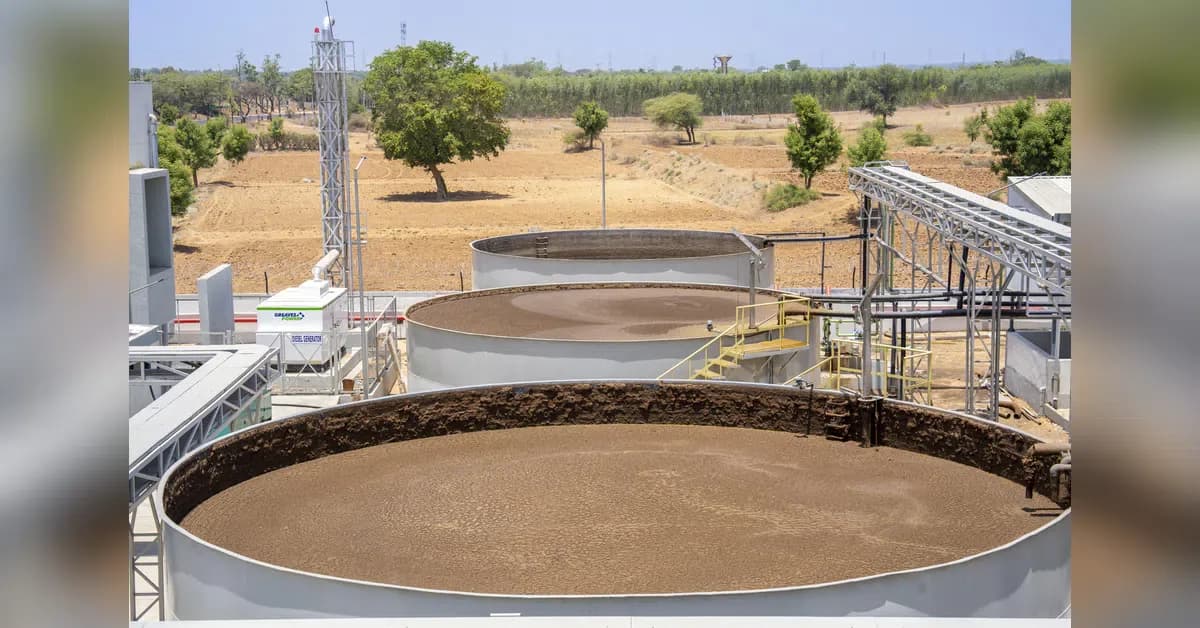
The policy initiative has taken on more urgency amid the Iran conflict, which has exposed India's vulnerability to global price swings and supply disruptions. According to Business Standard, India currently imports about half its gas needs, with much of that coming via the Strait of Hormuz, which has been largely closed for months. New Delhi is seeking to make alternatives to imported oil and natural gas more commercially viable while trying to meet climate goals and tackle chronic agricultural pollution. The government is aiming to increase the proportion of biogas blended with other natural gas to 5% of total consumption by the fiscal year ending March 2029. The recent geopolitical shocks have demonstrated the critical importance of building domestic energy resilience, as disruptions in the Strait of Hormuz sent oil prices surging to a two-month high, highlighting the direct economic consequences of global conflicts on India's energy security.
Some of India's top conglomerates have invested in biogas projects, including Reliance Industries Ltd., which pledged last year to bring online 55 compressed biogas plants with a cumulative capacity of 400,000 tons a year and is targeting 500 plants by 2030. Japan's Suzuki Motor Corp., parent of India's largest car maker Maruti Suzuki, opened a pilot plant in 2024, followed by its first full-scale biogas plant in India in December and a second a month later. It plans to build a total of five biogas facilities fed by cow dung in the state of Gujarat. This corporate commitment is essential for scaling biogas production to meet India's energy security needs and reduce dependence on imported fuels.
The program is also intended to address one of India's most persistent environmental challenges: the seasonal burning of crop residue across its northern states. Farmers often burn paddy straw after harvest to quickly clear fields for the next planting season, contributing to severe air pollution that regularly blankets New Delhi and surrounding regions. According to Business Standard, the government incentives are expected to support projects using agricultural residue and food waste, including material sourced through agencies such as the Food Corporation of India. The increased price support is particularly significant because developers have long argued that existing returns were insufficient to justify large-scale investment in biogas infrastructure, making the enhanced subsidies crucial for commercial viability. India previously attempted to increase investment through policies such as the Sustainable Alternative Towards Affordable Transportation initiative and the Galvanizing Organic Bio-Agro Resources Dhan program, but those efforts fell short of official ambitions amid financing challenges, feedstock constraints and concerns about commercial viability.