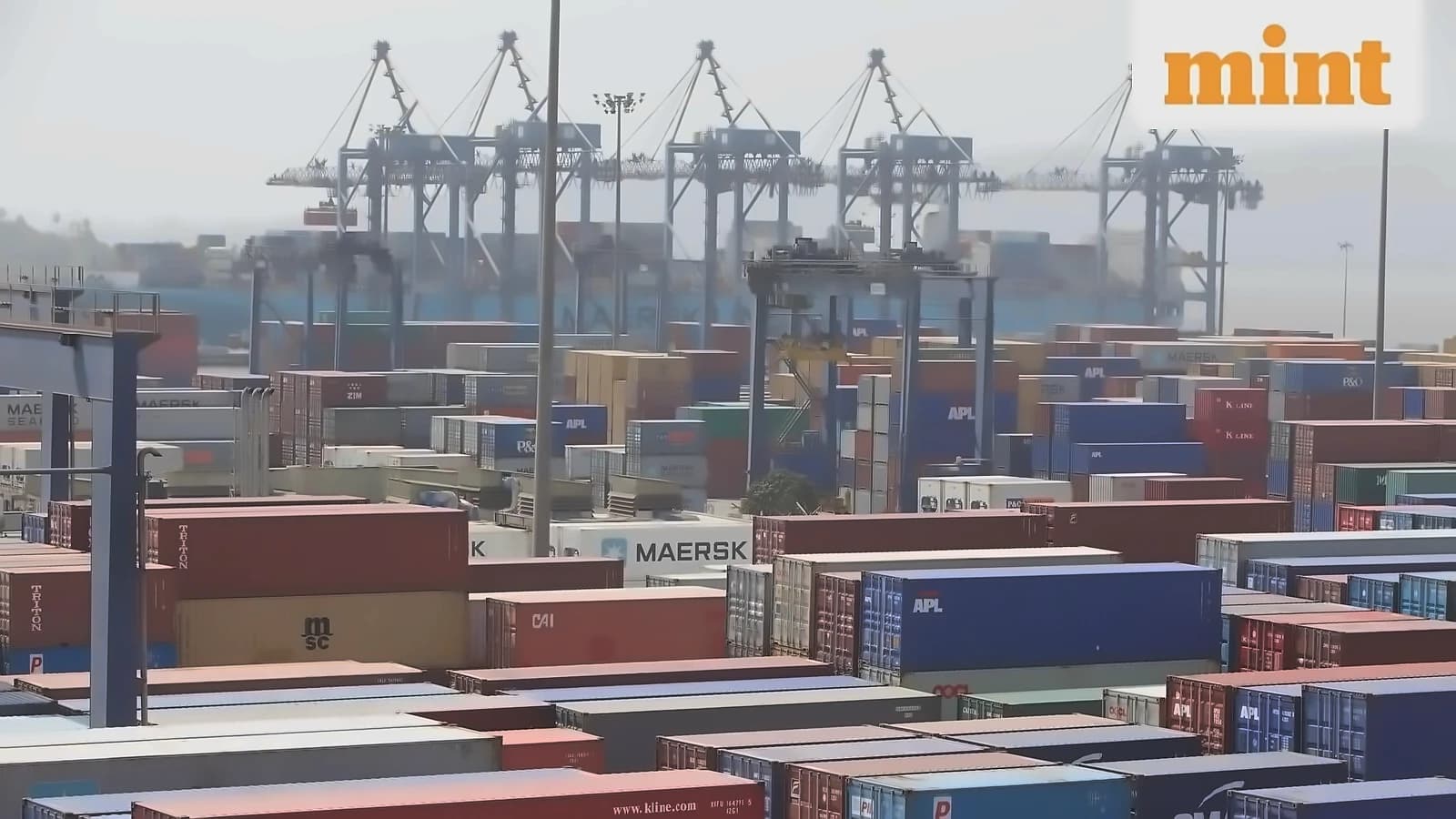
The Union Cabinet on Friday approved a revision to the shipping ministry's captive waterfront awarding policy to encourage private participation by providing operational certainty and allowing government entities to access these berths on a nomination basis. According to reports from Business Standard and SocialNews.XYZ, the policy enables existing captive users to expand capacity through new berths, jetties, terminals and single buoy moorings (SBMs), while also providing a framework for extending concession agreements and awarding waterfront to eligible government entities. Union Minister for Ports, Shipping and Waterways Sarbananda Sonowal said the revised policy reflects the government's commitment to creating a predictable, transparent and investor-friendly framework for port-led industrial growth. The policy will be implemented across all Major Ports and is expected to increase cargo throughput, improve utilisation of waterfront assets and generate sustained revenue for ports without any financial implication for the Government of India.
The policy provides a framework for awarding waterfront and associated land to eligible government organisations without resorting to competitive bidding, subject to availability and prescribed safeguards. As reported by Business Standard and SocialNews.XYZ, eligible entities include Central and state government departments, statutory authorities, autonomous bodies, Central and state public sector undertakings (CPSUs and SPSUs), and government-controlled joint ventures operating in sectors such as fertilisers, food, petroleum, oil and gas, coal, steel and other sectors notified by the Ministry of Ports, Shipping and Waterways. The concessions will be awarded at the notified floor price. The reforms allow major port authorities to renew or extend concession agreements of existing Port Dependent Industries (PDIs) for up to 30 years without requiring a fresh tender process, with renewal undertaken at either the prevailing market rate or the indexed revenue payable under the existing concession agreement, whichever is higher. For the first time, eligible government organisations will be able to obtain waterfront land directly without participating in competitive bidding.
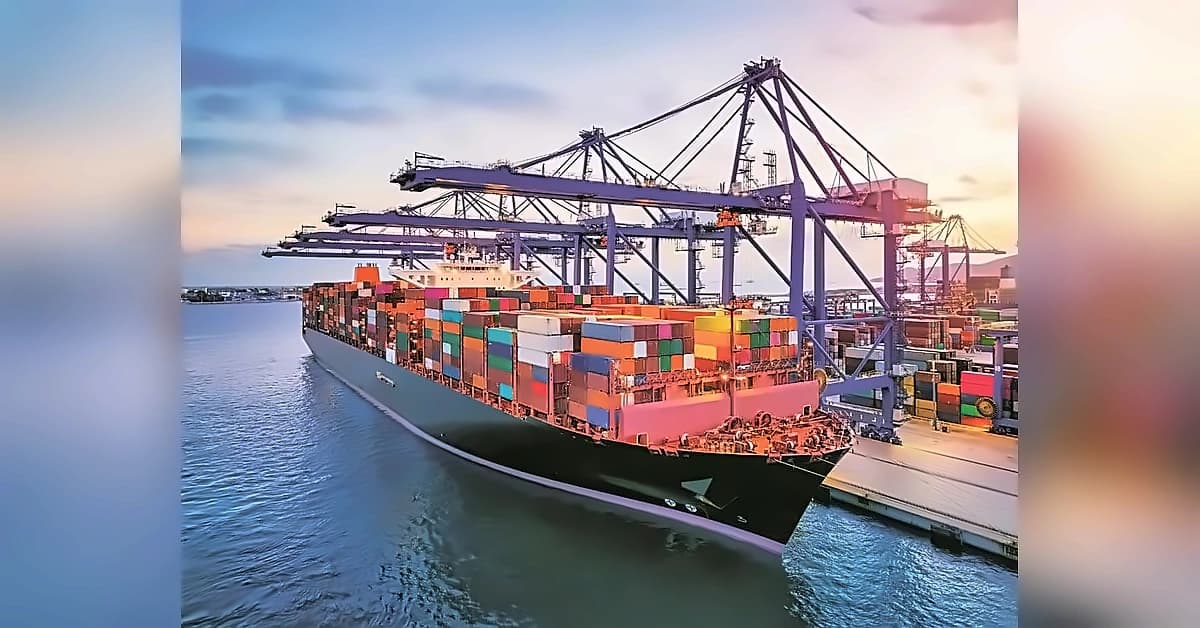
A port-dependent industry (PDI) relies on a major port for the import and export of at least 70 per cent of the cargo capacity of the proposed facility for captive cargo. According to the ministry, captive berths allow PDIs benefits such as priority berthing for their own cargo. In exchange, the operator pays royalty based on cargo volumes to the port authority. Major Port Authorities will undertake price discovery through competitive bidding while providing the existing concessionaire a Right of First Refusal (RoFR) to match the highest bid, ensuring competitive price discovery while maintaining operational continuity. To prevent misuse of the expansion route for extending concession tenure, the concession period for any additional berth or terminal developed under the expansion proposal will remain co-terminus with the maximum permissible concession period of the existing facility. Participation will be restricted to eligible port-dependent industries handling the same cargo profile, ensuring competitive price discovery while maintaining operational continuity.
There were around 24 captive waterfront facilities in India as of 2025, as reported by Business Standard. Officials indicated that the policy had been in the works for over two years, with several rounds of discussion with the Cabinet. The ministry stated that the policy is expected to provide greater certainty to investors, facilitate capacity augmentation and improve ease of doing business in the port sector without any financial implication for the government. The Government expects the reforms to catalyse fresh investment in port infrastructure, strengthen supply chains, reduce logistics risks for port-dependent industries and generate employment through expansion of port-led industrial activity. The revised policy updates the existing captive policy of 2016 by introducing a series of reforms aimed at accelerating private investment through the public private partnership (PPP) model, improving operational flexibility and strengthening infrastructure development across India's major ports.
The revised policy addresses key gaps in the 2016 framework by providing long-term certainty for investors, enabling capacity expansion in line with industrial demand and introducing greater operational flexibility for captive facilities. According to the ministry, it also permits changes in cargo profile after the prescribed lock-in period, or immediately where necessitated by a change in law, ensuring business continuity in a dynamic global trading environment. Recognising the evolving nature of global trade, the policy introduces provisions for Change in Law and Unforeseen Events, allowing business plans and cargo profiles to be revised where regulatory changes or unforeseen circumstances affect project viability. The new policy also brings in comprehensive regulatory coverage to provide protection against unforeseen events and changes in law, ensuring comprehensive regulatory coverage for port operations. Union Minister Sonowal emphasized that the maritime sector operates in a dynamic global environment, stating that this policy provides the flexibility needed to adapt to changing realities while ensuring continuity of investment, trade and port operations.