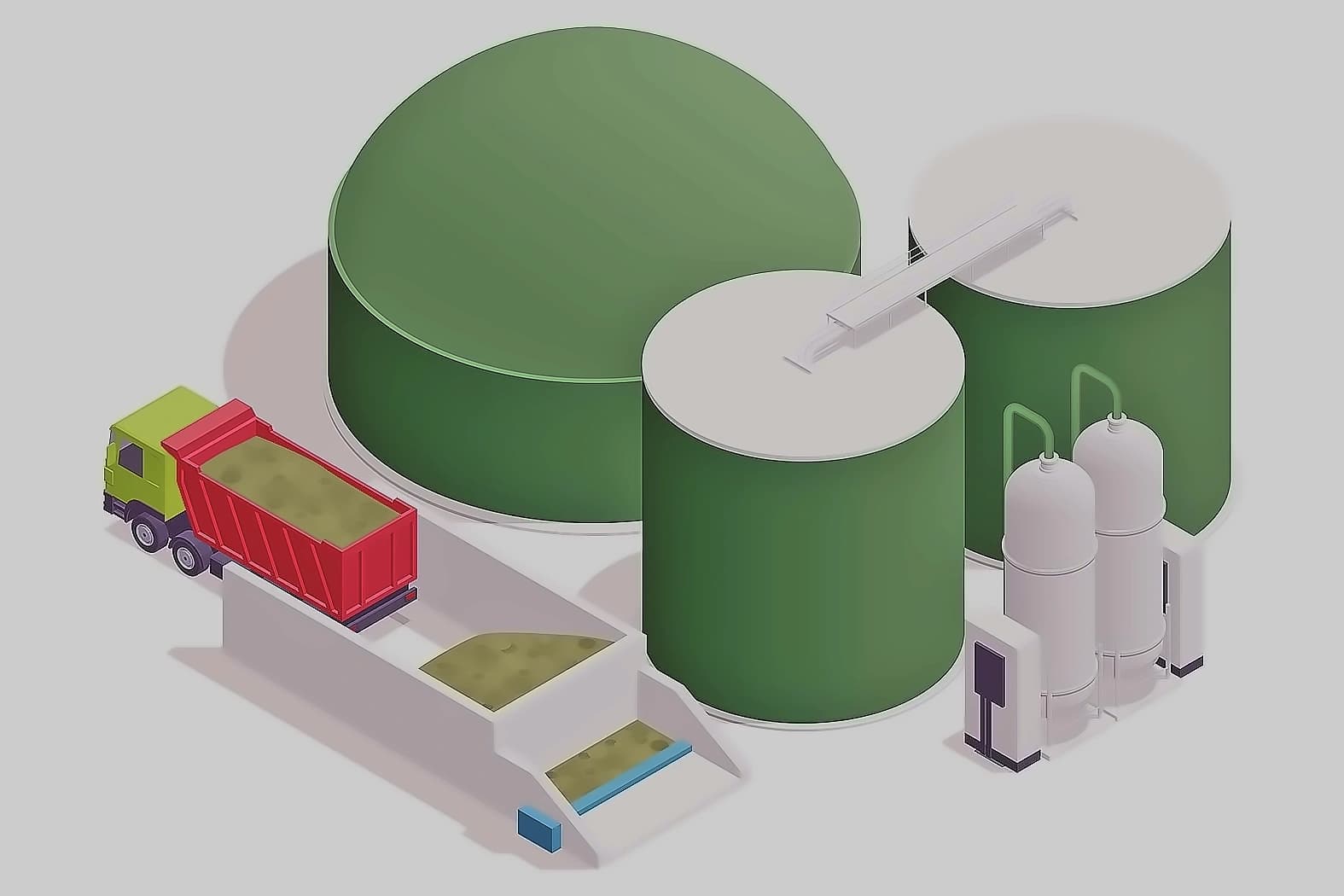
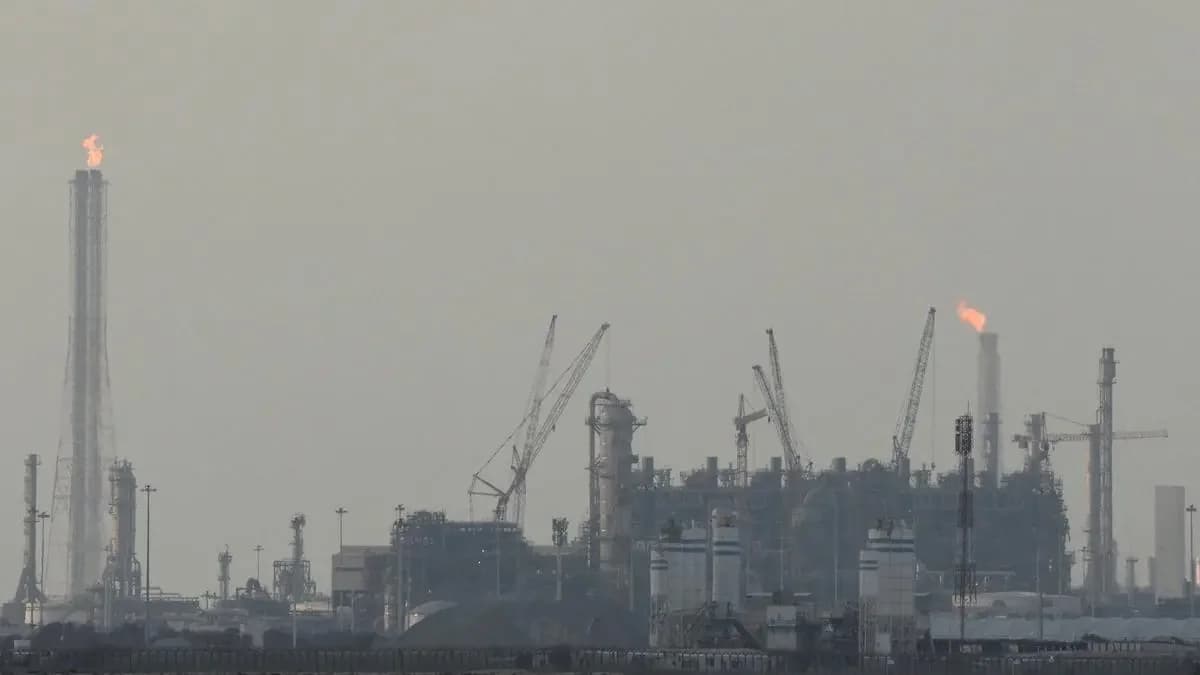
The Union Cabinet has approved the GOBARdhan (Galvanizing Organic Bio-Agro Resources Dhan) scheme with a total outlay of ₹23,731 crore to boost compressed biogas production in India, responding to the ongoing Middle East crisis that has exposed India's vulnerability to natural gas imports. According to The Hindu BusinessLine, Information and Broadcasting Minister Ashwini Vaishnaw announced the decision after the Cabinet meeting, stating that the scheme aims to establish compressed biogas as a major pillar of India's future energy mix. The government views compressed bio-gas as a domestic solution to reduce energy import dependence and achieve energy security, with India currently importing around 50% of its natural gas consumption, with the Strait of Hormuz disruption impacting 55-60% of India's LNG imports. The scheme, which will be implemented between FY2026-27 and FY2035-36, seeks to increase India's compressed biogas (CBG) production nearly ten-fold over the next decade while boosting rural incomes and reducing dependence on imported fossil fuels.
The GOBARdhan scheme offers significantly expanded financial support compared to previous reports, with capital support of up to ₹2 crore per ton per day (TPD) for plant, feedstock systems and organic manure processing machinery. As reported by Business Standard, the scheme includes credit guarantee coverage of up to 85% on eligible loans for MSME-led projects, representing a substantial increase in support levels. The comprehensive financial framework also provides pipeline infrastructure support for compressed bio-gas plants connected to trunk and city gas networks, ensuring seamless integration with existing distribution systems. Additionally, the scheme introduces a government-backed administered CBG price of ₹2,110 per MMBTU with a minimum 10-year pricing framework, providing long-term revenue visibility for producers. The government has defined six 'growth engines' under GOBARdhan, including assured CBG offtake, stable pricing framework, capital assistance, pipeline infrastructure development, credit guarantee support, and a CBG ecosystem challenge fund. The scheme will be administered by the Ministry of Petroleum and Natural Gas, creating a unified national framework for the CBG sector.
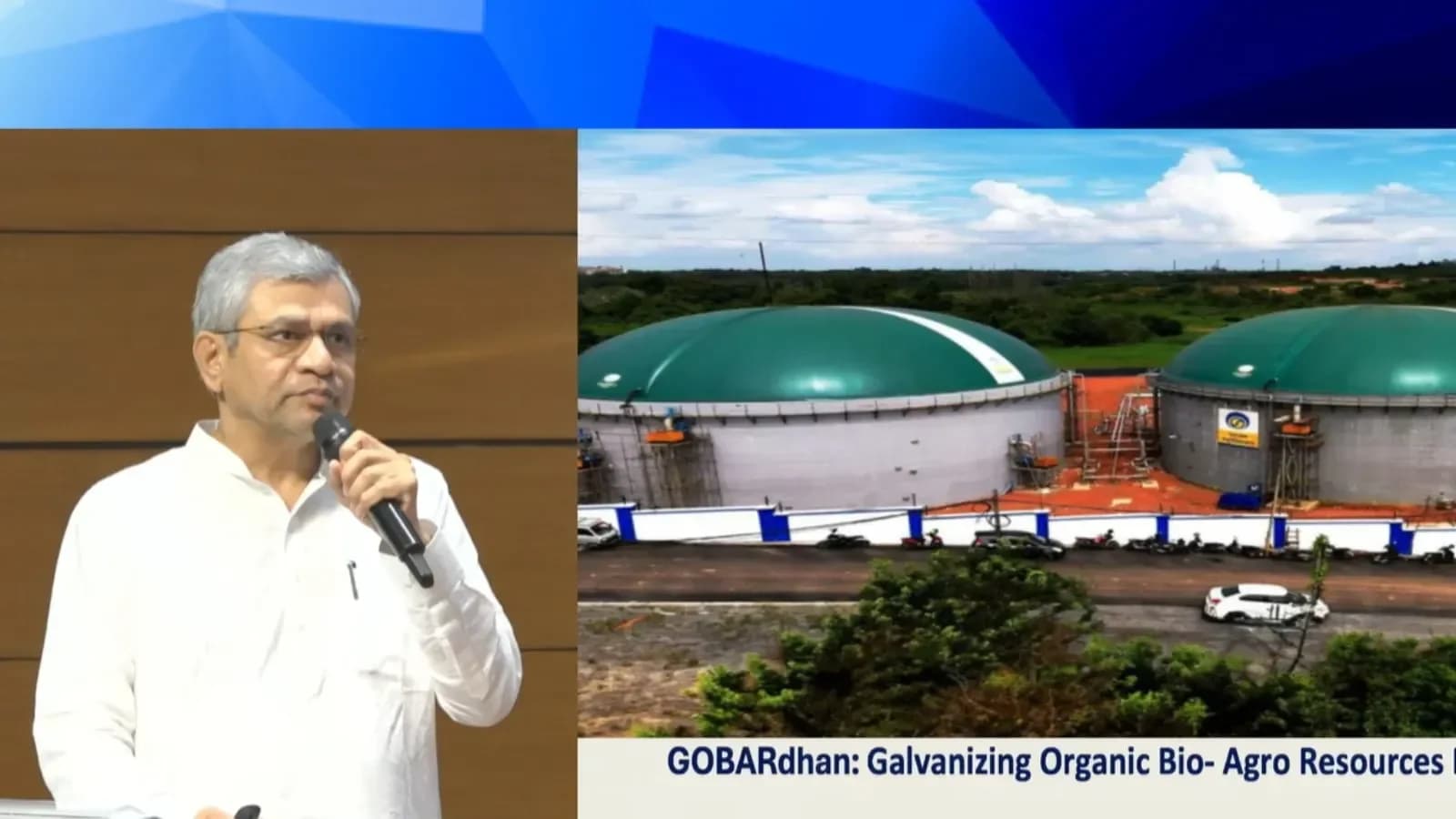
The scheme provides an assured offtake mechanism through procurement by City Gas Distribution (CGD) entities, supporting the notified CBG blending obligation of 3% in FY2026-27, 4% in FY2027-28 and 5% from FY2028-29 onwards in CNG (transport) and PNG (domestic) segments. According to The Hindu BusinessLine, Oil Minister Hardeep Singh confirmed that India achieved 1.05% CBG blending in FY26, surpassing its 1% target, with oil and gas marketing companies (OGMCs) procuring around 96.5 thousand tonnes of CBG during the financial year, more than twice the quantity procured in FY25. This framework converts the blending obligation into "a clear, long-term demand signal" for the industry and improves project bankability. The ministry emphasized that this pricing structure will provide "long-term revenue visibility" and "durable revenue certainty" for producers, addressing one of the key challenges in the biogas sector. The initiative will convert agricultural residue, cattle dung, municipal organic waste, press mud and other biomass into compressed biogas and organic manure, creating a circular bioeconomy while strengthening India's clean energy ecosystem.
The Indian Biogas Association (IBA) estimates that the GOBARdhan scheme will generate massive economic benefits, including a $5 billion reduction in India's gas import bill. According to IBA, the scheme should be viewed as a strategic national investment rather than public expenditure, with returns extending well beyond the bioenergy sector. In FY 2024-25, LNG import bill accounted for $15.2 billion (approximately ₹1.28 trillion) and is expected to jump sharply in FY25-26 due to the prolonged West Asia crisis and plummeting INR against USD. Even with a conservative estimate of 1500 fully functional CBG plants in the forthcoming years, the trade deficit on account of natural gas import shall be at least diminished by one-third of its current level, i.e. $5 billion (approximately ₹40 trillion). The scheme also addresses fertilizer import challenges, as CBG facilities produce Fermented Organic Manure (FOM) and liquid bio-slurry rich in essential plant nutrients, with lower fertilizer imports and subsidy requirements translating into significant fiscal savings. As per Moneycontrol, Narasimhan Santhanam from Energy Alternatives India highlighted India's structural advantages, noting that "India generates over 730 million tonnes of agricultural residue and 150+ million cattle produce dung, plus 60-65 million tonnes of urban organic waste annually," making India one of the richest bio-waste resource nations globally.
The GOBARdhan scheme builds on existing initiatives including the Sustainable Alternative Towards Affordable Transportation (SATAT) programme, Market Development Assistance scheme for organic manure, Biomass Aggregation Machinery scheme, Development of Pipeline Infrastructure scheme and financial assistance for CBG plants under the National Bioenergy Programme. According to The Hindu BusinessLine, 217 CBG plants with an aggregate production capacity of around 1,773 tonnes per day (TPD) have been commissioned as of July 31, 2026, including 180 CBG plants under the SATAT and CBG-CGD Synchronisation scheme. The Ministry of Petroleum and Natural Gas administers the GOBARdhan scheme, bringing these measures under a single framework covering the entire CBG value chain. This integration is expected to enable "faster implementation, stronger project economics and greater certainty for investors, lenders and developers." The scheme creates a unified national framework for the CBG sector, enabling comprehensive development of India's bioenergy ecosystem while transforming agricultural residues into income-generating assets for farmers and ensuring healthier soils require lower chemical inputs.