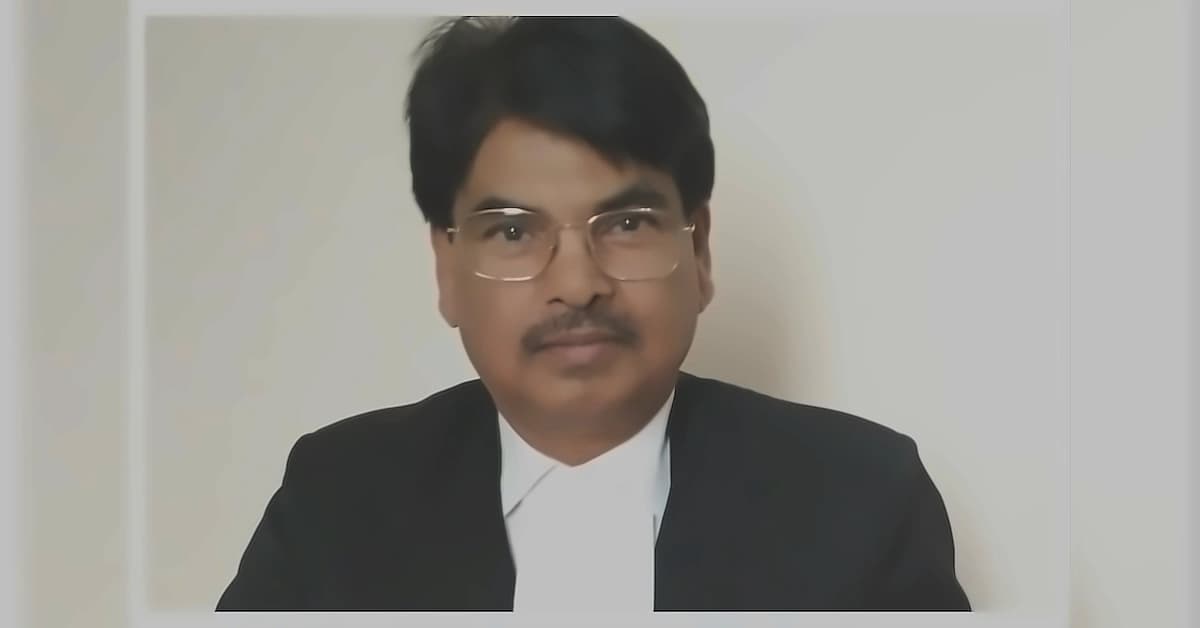
The Bar Council of India (BCI) reversed its earlier directive within hours after an uproar on social media, allowing state bar councils to enrol 2026 graduates of NALSAR University of Law as advocates. According to reports from Business Standard, BCI chairperson Manan Kumar Mishra initially directed all state bar councils not to enrol any 2026 graduate of the university as advocate until further orders. The apex statutory body for lawyers had stated it was examining allegations regarding a campaign against Chief Justice of India Surya Kant's participation in the university's convocation and had sought a report identifying those responsible. The decision followed sharp criticism over free speech concerns and a Supreme Court plea seeking probe into CJP-linked activities. As per The Times of India, the BCI said a final decision in the matter would be taken on August 19 after considering the material placed before it.
In the fresh communication dated August 13, 2026, BCI chairman Mishra said its members had thoroughly discussed the earlier letter issued and unanimously decided to modify the direction concerning the enrolment of the students. As reported by Business Standard, the new notification modified the earlier order, stating that 'the vast majority' of the students were innocent and should not be made to suffer for the alleged misconduct of a few. The council specifically stated that 'no student shall be made to suffer without any fault on his part' and that 'all the students will be entitled to get enrolled with the State Bar Councils of their choice'. The decision came after BCI recalled the enrolment ban on NALSAR graduates, saying most were 'innocent'. The fresh communication specifically stated that the BCI chairman's earlier letter stood modified to that extent.
Around 450 students from the university emailed the vice-chancellor on July 23, citing the CJI's recent remarks and conduct during proceedings concerning protests over the NEET-UG examination leak controversy and the alleged police brutality against protesters during the peaceful 'Chalo Sansad' demonstration in New Delhi on July 20. They urged the university to 'strongly reconsider' the invitation and consult the graduating batch before taking a final decision. The date of the convocation is yet to be announced. The BCI said it had received a latest report indicating that the 'vast majority' of the 2026 pass-out students were innocent and had not been inclined to participate in the alleged act of disrespect. The decision means that the 2026 graduates of NALSAR can proceed with enrolment before state bar councils, notwithstanding the ongoing inquiry into the incident.
The BCI has now demanded NALSAR identify students and staff involved in the campaign against the Chief Justice's invite and given the university three days to provide an authenticated report. As reported by Business Standard, the BCI stated that 'a student of Law, having no regard or respect for the highest Judicial Office of the country, is not expected to be a responsible or sensible Advocate, Teacher or a Judge'. The council warned that 'such persons shall always be a liability on the profession' and said 'such conduct, reflects adversely upon the person's suitability for entry into or association with the legal profession'. The BCI has asked NALSAR to provide detailed information about any student body, Student Bar Council, Students' Union or other recognised student organisation involved in initiating, approving, coordinating or circulating the campaign. The university has been asked to specify the nature of involvement of any faculty member, research scholar, alumnus or outsider who participated in initiating, drafting, coordinating, advising or facilitating the campaign. The BCI has also directed NALSAR to provide copies of relevant resolutions, minutes, agendas or other official records of meetings held in connection with the matter.
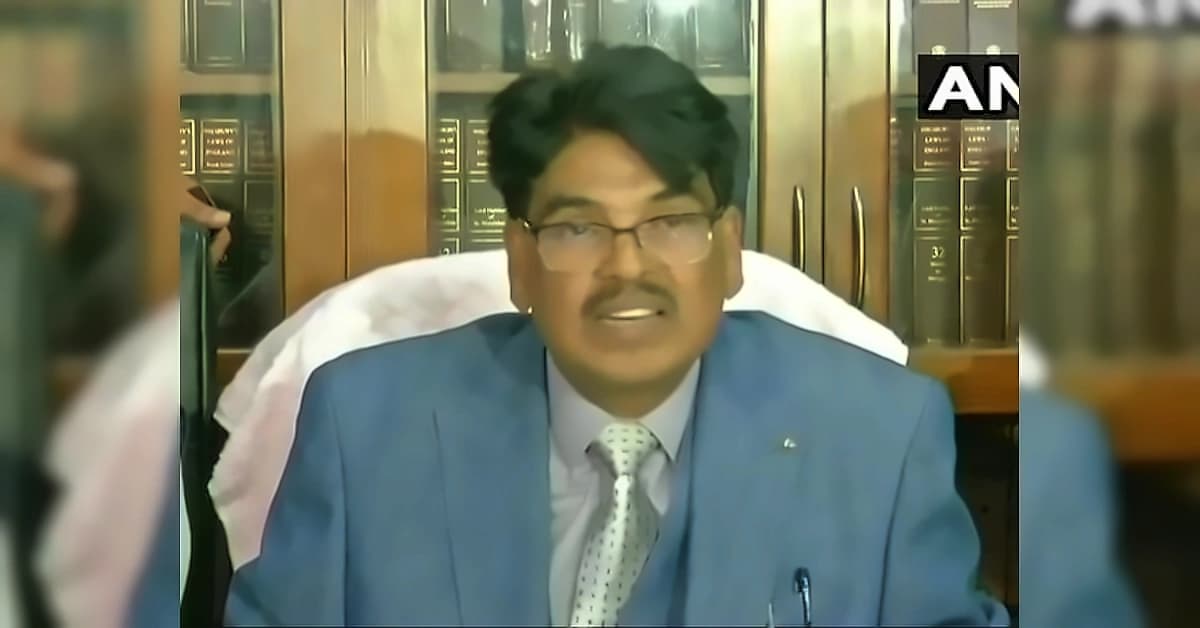
SCBA president Vikas Singh criticised the BCI's earlier decision against the university students, calling it 'an attempt to intimidate law students for exercising their fundamental right to freedom'. As reported by Business Standard, Singh described the decision as 'unprecedented and wholly arbitrary' and said it 'amounts to an attempt to intimidate law students for exercising their fundamental right to freedom of speech and expression'. Singh also called the decision 'illegal, disproportionate and fundamentally unsustainable' and said 'universities are meant to be campuses of free thought and fearless debate'. The BCI said it had received information from 'reliable sources' that a handful of teachers and outsiders were instrumental in allegedly instigating the innocent students. The council said it would await the inquiry report of the NALSAR vice-chancellor before deciding on any further action. The BCI has clarified that participation in the representation or campaign by itself would not automatically mean disqualification from enrolment, maintaining a distinction between persons who merely signed or supported a representation and those who organised or coordinated the campaign.