India's automobile sector has become divided over the government's proposal to allow companies that miss fuel-efficiency targets to purchase compliance credits directly from the regulator at a flat rate. According to reports from Mint, Tata Motors Passenger Vehicles and JSW MG Motor India are opposing the proposal, while other major manufacturers including Maruti Suzuki India Ltd, Hyundai Motor India and Mahindra & Mahindra have backed the move. The discord surfaced during a meeting of industry lobby group the Society of Indian Automobile Manufacturers (Siam) on Friday, where the two carmakers opposed changes to the CAFE 2 rules that have been in place since 2022.
The government's draft proposal introduces a credit-debit system with a flat rate of ₹2,500 per g CO₂/km for purchasing credits directly from the regulator. As reported by Mint, non-compliance with the norms would lead to an estimated penalty of ₹5,000 per g CO₂/km. Under this system, automakers would maintain a compliance passbook for each fiscal year, with positive credit balances indicating average fleet emissions below regulatory limits and debit balances showing emissions exceeding thresholds. Companies must maintain a net positive balance to avoid penalties.
Tata Motors has written to the power secretary on July 14, expressing opposition to the Bureau of Energy Efficiency (BEE) selling credits to help carmakers comply. According to Mint, Tata noted that credits created by BEE merely against payment without corresponding emission improvements would be accounting entries used to extinguish debits arising from non-compliance. The second executive clarified that Tata and MG's opposition is not for the upcoming CAFE 3 norms but for the retrospective nature of the changes introduced towards the end of CAFE 2 period.
The breakdown in consensus could delay finalizing CAFE 2 rule changes, as the government has invited comments from the lobby group. As reported by Mint, earlier policy deadlocks had led to prolonged discussions and delays for various CAFE 3 norms, which are yet to be notified even as the regime is set to kick in from April. The current CAFE 2 round has been in effect since April 2022, with the third round scheduled to begin in April 2027. Under the second iteration, carmakers such as Maruti Suzuki, Tata Motors PV and JSW MG Motor are among those comfortably placed in emission targets, while others like Mahindra and Hyundai India have missed targets in at least one fiscal year.
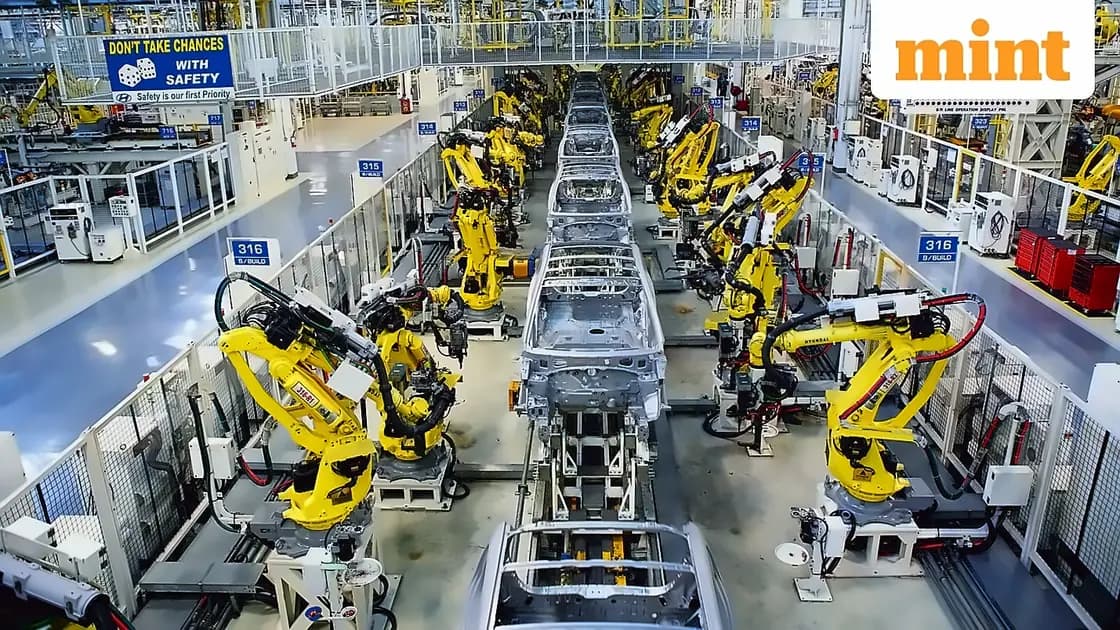
This marks the latest episode of automakers clashing on key policy matters after previous disagreements over hybrid vehicle incentives and small car relief under CAFE norms. According to Mint, industry executives note that more carmakers might join Tata and MG to oppose the new proposal, as they had invested in meeting targets without the option of having a passbook. The proposal represents a significant shift from the current system, where companies must either meet emission targets independently or face penalties, to a market-based approach that allows direct credit purchases from regulators.