The 8th Pay Commission has received a major demand from central government teachers for a minimum basic pay of ₹1,34,500 for entry-level teachers (Level 6), representing a significant jump from current salaries. For Level 1 employees, the demand ranges from ₹50,000 to ₹60,000, as reported by Mint. This proposal aims to align pay better with inflation and living costs across the central government workforce. The teachers' body has also demanded annual increments of 6-7%, which could lead to around 10% yearly salary growth for employees. The first round of discussions with employee representatives concluded on April 30, 2026, where teachers presented their demands for higher salaries due to rising inflation and improved pension benefits.
The 8th Central Pay Commission (8CPC) has been officially constituted by the Government of India on 3 November 2025 through a Gazette Notification, as reported by Mint. The Commission is currently in its consultation, discussion and memorandum-collection phase, with employee unions, stakeholders, pensioners and associated associations submitting their demands in structured formats. The first round of discussions with employee representatives concluded on April 30, 2026, where employee representatives presented their demands regarding salaries, pensions, and service conditions. The Commission is now preparing for the next phase, which includes visits to multiple cities: Hyderabad (May 18-19), Srinagar (June 1-4), and Ladakh (June 8) to gather region-specific inputs and broaden stakeholder engagement.

The teachers' body has proposed several significant benefit enhancements beyond salary increases. House Rent Allowance (HRA) is proposed to be raised to 12%, 24%, and 36% based on city category, with transport allowance maintained at 12-15% of basic pay with a minimum of ₹9,000. Additionally, Children Education Allowance is suggested to be increased to ₹7,000 per month per child, easing education costs for families. A new digital allowance of ₹2,000 per month is sought for internet and technology needs, while improved leave benefits include 14 casual leaves, 30 earned leaves, and 20 medical leaves annually with up to 400 days' encashment of earned leave at retirement. The Commission is now preparing for the next phase, which includes visits to multiple cities to gather region-specific inputs and broaden stakeholder engagement.
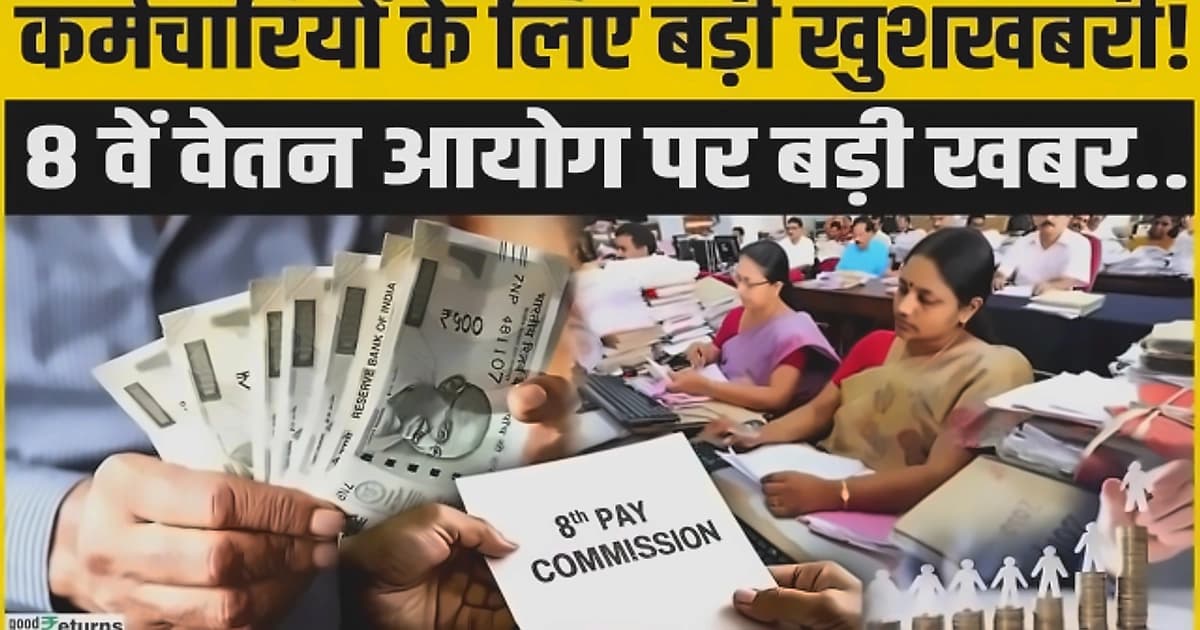
The proposed fitment factor ranges from 2.62 to 3.83, significantly higher than the current 2.57 fitment factor in the 7th Pay Commission, as reported by Mint. This multiplier is crucial as it directly impacts salary revision. The 7th Pay Commission tenure ended on 31 December 2025, with the 8th Pay Commission expected to be implemented from 1 January 2026. The Commission's recommendations are likely to follow the report submission, which is expected around May 2027, approximately 18 months from the date of constitution. With a retrospective effective date widely anticipated, arrears for central government employees and pensioners could begin accumulating from early 2026 until the recommendations are implemented.
The teachers' body has demanded increasing the gratuity limit to ₹50 lakh and restoring the Old Pension Scheme (OPS) in place of NPS/UPS. Additionally, raising the retirement age to 65 years has been proposed. A revised promotion path suggesting upgrades at 6, 8, 12, and 18 years instead of the current longer timelines has been demanded, allowing teachers to move from TGT to PGT roles within 6-7 years, reducing long waiting periods and improving career progression. The Commission's objective is to align and organise salaries and compensation with fiscal realities, inflation, and prevailing economic conditions every 10 years, with inputs from unions, ministries, pension bodies and other stakeholders expected to play a critical role in shaping the final report.