The Staff Side of the NC-JCM has submitted comprehensive proposals to the 8th Central Pay Commission, suggesting periodic pay revision every five years for central government employees. According to their latest memorandum to the commission, they have also proposed a fixed annual hike of 6% in salary, representing a significant increase from the current 3% annual increment rate. The Staff Side emphasized that "there is a strong need for periodic pay revision, ideally every five years, to maintain adequacy and relevance." They have also proposed merging various pay scales and recommending a minimum salary of around ₹69,000 at Level 1.
The 8th Pay Commission has begun its formal consultation process with employee representatives and stakeholders across various states. As per the latest reports, the commission has invited suggestions and memorandums till 31 May after opening formal submissions in March. The commission began meetings with stakeholders in April, has other meetings scheduled in May and June, and plans to schedule more meetings in due course. The panel is expected to put forward final recommendations around 18 months after being constituted on 3 November 2025, meaning the earliest we could get the panel's submissions is February 2027. However, implementation will take another two to three years after recommendations are made, meaning hikes announced in 2027 may only be fully implemented by 2029 or 2030.
The 8th Pay Commission is expected to significantly impact government expenditure, as the government currently spends around 13% of its revenue on salaries, allowances and pension. According to the Staff Side's memorandum, salary revision through the 8th CPC is expected to increase this expenditure. However, they argue that such expenditure should be viewed as an investment rather than a burden, stating that "higher salaries increase purchasing power, increased consumption boosts demand, and higher demand leads to greater tax collections." They emphasize that pay revisions contribute positively to economic growth and fiscal sustainability.
Employee unions, including the National Council-JCM (NC-JCM) Staff Side and the All India Defence Employees Federation (AIDEF), have submitted comprehensive demands before the commission. Their proposals include a much bigger fitment factor of 3.833, which could lead to record-breaking salary increases. Under the expected revision, employees in Level 1 could see their minimum basic salary rise from ₹18,000 to ₹32,400 to ₹41,000, representing a possible increase of 80% to 120%. Employees in Level 3 (clerks and junior technicians) currently earning around ₹21,700 could see their salaries increase to ₹39,000 to ₹49,000. Employees in Level 6 (assistants and senior technical staff) currently receiving ₹35,400 could see their salaries rise to ₹64,000 to ₹80,000. Senior officers under Level 10 could see their minimum basic salary increase to ₹1.02 lakh to ₹1.28 lakh.
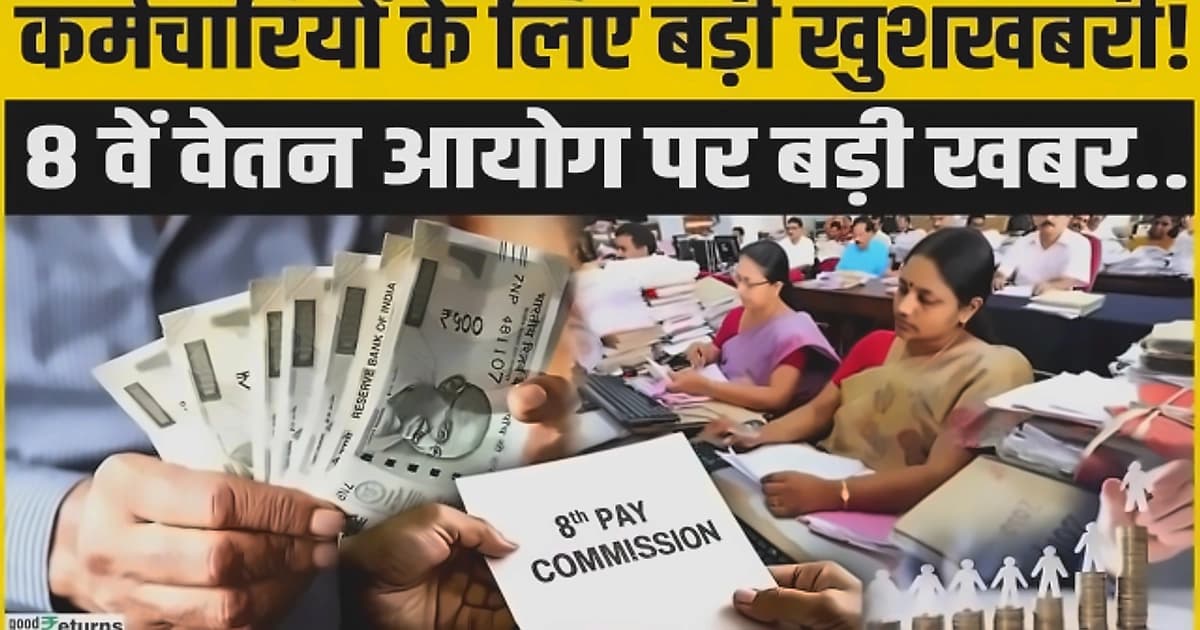
The 8th Pay Commission is expected to impact around 50 lakh central government employees and around 65 lakh retired central government pensioners, including defence and railway employees and retirees. The commission is widely expected to shape compensation for the next decade, following the pattern that pay commissions usually come roughly every 10 years. The 7th Pay Commission took two and a half years from formation to rollout, while the 6th Pay Commission took two years and the 5th Pay Commission took three and a half years to be implemented. However, the government has not yet officially announced the exact implementation timeline for revised salary structures, and recommendations first need to be finalised by the commission and then accepted, modified, or approved by the government.