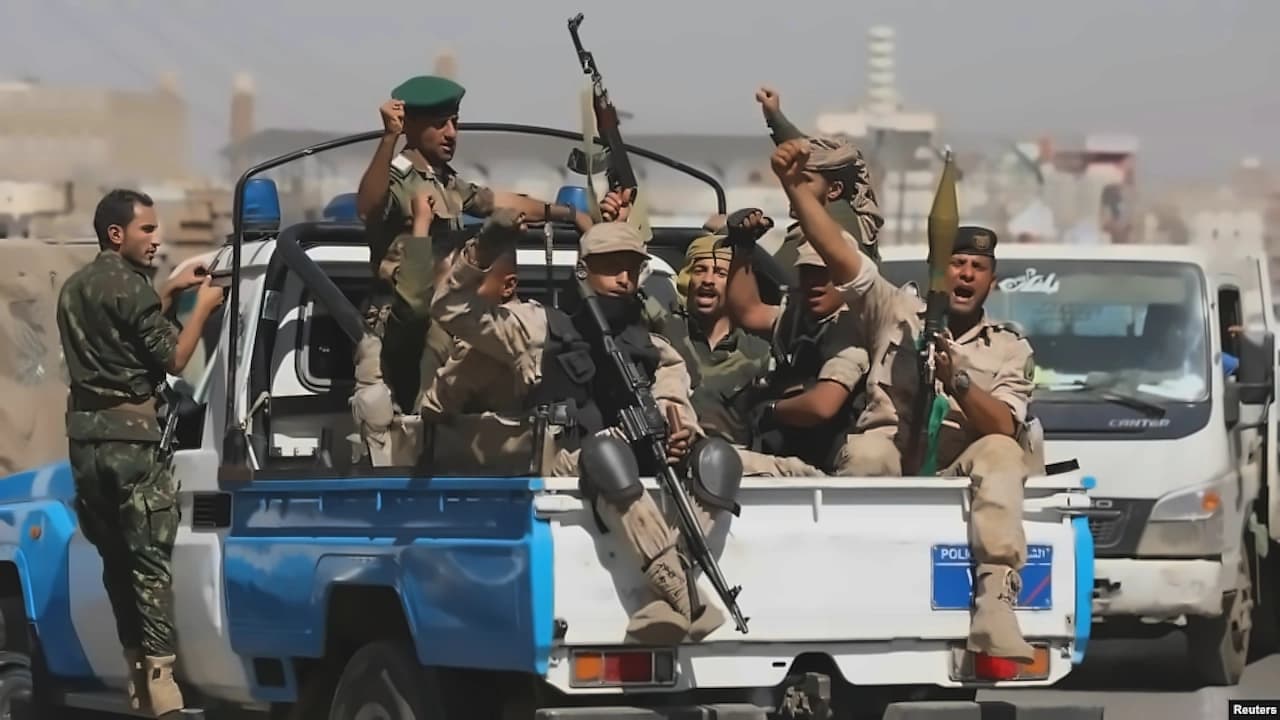
Despite years of military intervention by Saudi Arabia, the United Arab Emirates, the United States, Britain and Israel, Yemen's Houthi rebels have only grown stronger over the last decade. According to reports from Business Standard and The Associated Press, the Houthis operate in a large and mountainous territory where they can disperse fighters and military infrastructure while threatening major oil infrastructure and key trade routes. The rebels have developed sophisticated weaponry including ballistic missiles, cruise missiles and drones that can reach all Gulf states as well as Israel, with many resembling Iranian models. As noted by The Associated Press, 'They are the most committed, the most ideologically pure and the most aggressive' of Iran's regional allies, having developed in just five years what took Lebanese Hezbollah 20 years to achieve. Michael Knights, head of research at strategic advisory firm Horizon Engage, described the Houthis as among Iran's most committed and aggressive regional allies, with their military capabilities having developed rapidly.
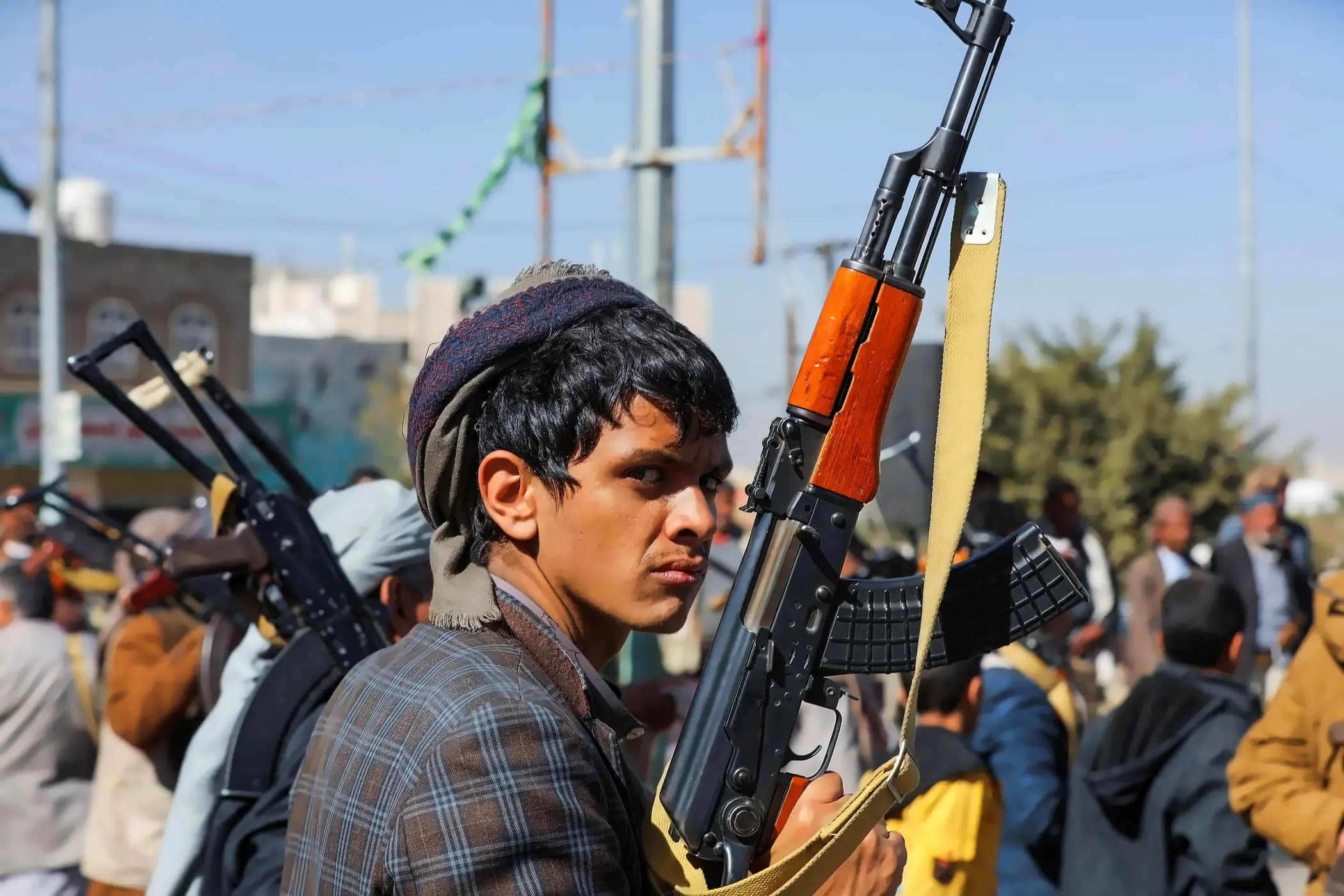
As reported by Business Standard and The Associated Press, the Houthis have recruited up to 350,000 fighters by 2024, up from just 30,000 in 2015 when Saudi Arabia intervened in Yemen's civil war. A 2024 UN report estimated that the Houthis had recruited as many as 350,000 fighters, compared with about 30,000 in 2015. The rebels have access to a wide array of weaponry, including sophisticated anti-ship missiles and naval drones that have been used to strike vessels in the Red Sea, threatening a critical trade route. Iran and its allies in Lebanon and Iraq provide expertise, training and sophisticated weapons, with UN experts documenting extensive military ties between the Houthis, Iran and its other allies. According to The Associated Press, 'Iran denies arming the Houthis, which would violate a U.N. embargo. But smuggled Iranian weapons and parts have been seized from numerous shipments bound for Yemen.'
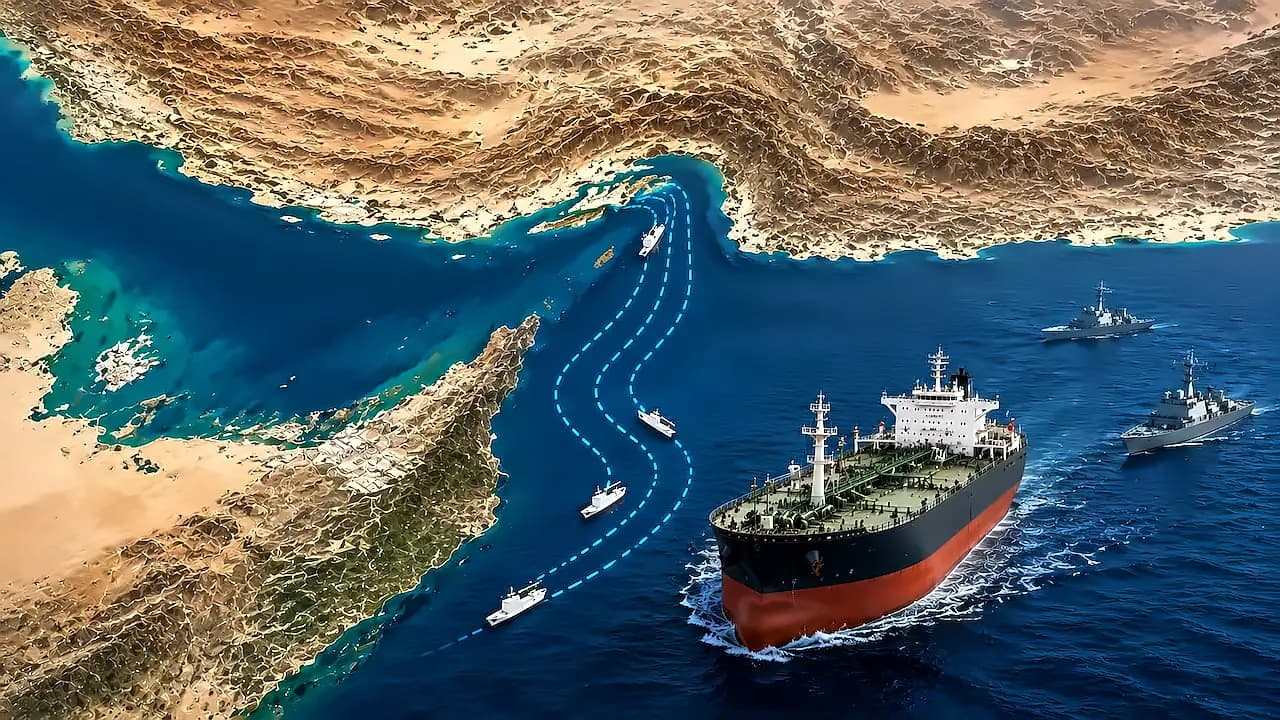
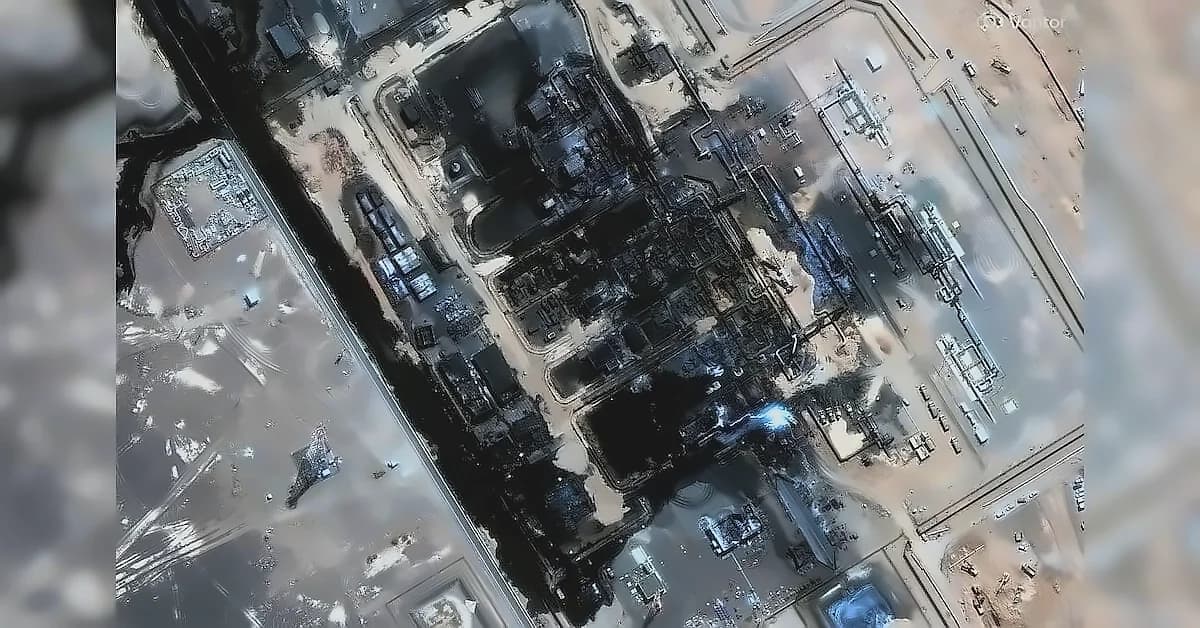
According to recent reports, after Houthi advances in southern Yemen last week, including the seizure of port cities and Perim Island in the Bab el-Mandeb Strait, the rebels are now advancing on a key maritime chokepoint and striking Saudi oil facilities. The Houthis are demanding that Saudi Arabia lift its blockade, which would be an admission of defeat in the long-running war and pave the way for even more extensive Iranian aid to the rebels. As reported by DW, only 21 commodity vessels transited the Bab el-Mandeb Strait on Monday, compared to the narrow waterway's normal handling of roughly 30% of global container traffic before the crisis. The Houthis have also blocked Saudi oil shipping in the Bab el-Mandeb Strait, a key waterway that had been serving as an alternative route for Saudi oil exports amid Iran's blockade of the nearby Strait of Hormuz. Additionally, Saudi Arabia's alternative lifeline for oil export, the East-West pipeline, was allegedly targeted by Iranian proxy militias in Iraq, with officials saying it might take weeks to repair the damage to the pipeline which runs 1,200 kilometers across the country and ends at the port of Yanbu on the Red Sea.
According to DW, Saudi Arabia's de facto ruler, Mohammed bin Salman, phoned US President Donald Trump last Thursday, asking for military aid to fight the advancing Houthis, though he was only offered intelligence support as Trump hesitated to join another front in the ongoing US war in Iran. The recently signed Mecca Joint Defense Agreement between Saudi Arabia, Turkey and Pakistan has also yet to be activated, with Pakistan, an Iranian ally and mediator in the current US war in Iran, being reluctant to directly join the conflict between Saudi Arabia and the Houthis. As reported by DW, Saudi Arabia faces a genuine dilemma as Crown Prince Mohammed bin Salman tries to protect both Saudi security and Saudi economic development simultaneously, with the difficulty that the Houthis are increasingly able to threaten both. The country is 'reluctant to become drawn back into a costly military campaign in Yemen,' according to Neil Quilliam from Chatham House, despite having one of the most heavily armed and technologically sophisticated militaries in the Middle East.
According to DW, Crown Prince Mohammed bin Salman faces growing domestic pressure as people expect economic progress, meaning affordable housing, jobs and protection from additional attacks from Yemen. Saudi Arabia needs stability to continue progressing its costly Vision 2030 reform, which aims to reduce the kingdom's reliance on oil and transform the economy and society. Other major planned events in Saudi Arabia, such as the Expo 2030 and the 2034 FIFA World Cup, depend on geopolitical stability as well. Human rights observers note that Saudi authorities are becoming increasingly sensitive to criticism of their handling of the crisis, with Yahya Al-Asiri from ALQST for Human Rights stating that 'Since MBS rose to power, there has been a strong crackdown on freedom of expression, especially regarding criticism of Saudi foreign policy.' This week, the rights watchdog warned that Saudi authorities executed at least 154 people between January and September 2026, with 101 executions for drug-related crimes and nine for terrorism-related offenses under the country's vague and overly broad definition of terrorism.