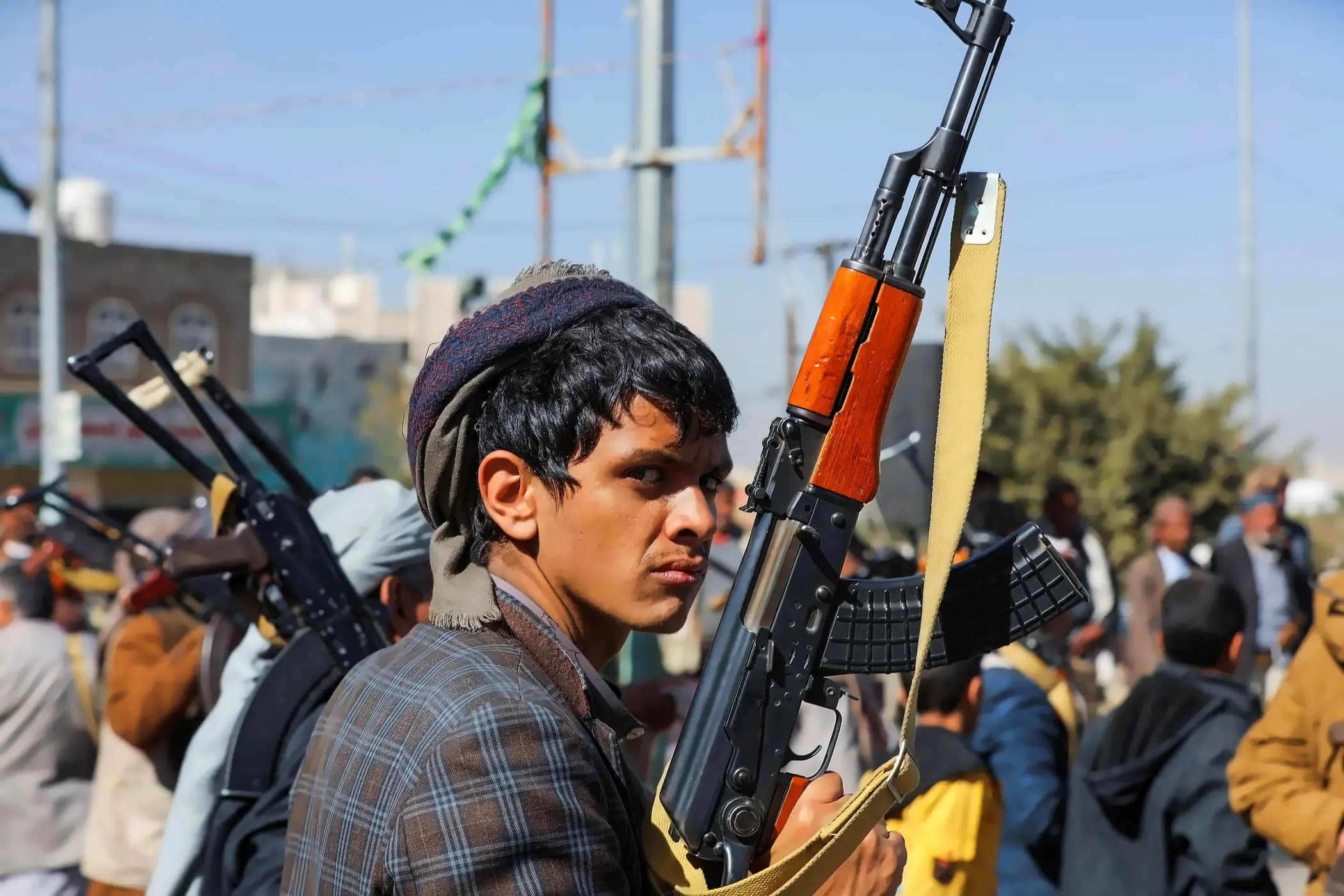
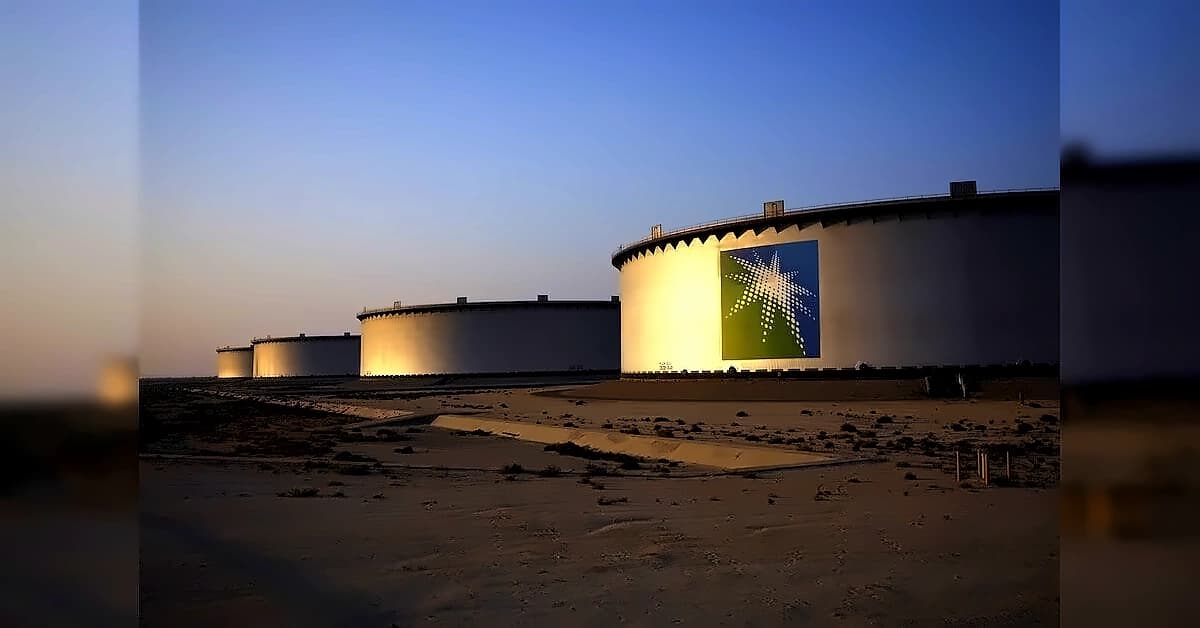
Yemen's Iran-backed Houthis have claimed missile and drone attacks on Riyadh's King Khalid International Airport, an Aramco refinery and military sites across Saudi Arabia, as loud explosions were heard over the Saudi capital late on Monday. Houthi military spokesman Yahya Saree said the attacks used drones, ballistic missiles and cruise missiles, targeting King Khalid International Airport in Riyadh and the Aramco refinery in Rabigh, along with military sites and smaller airports in the kingdom's south. Flight-tracking data and unverified local accounts point to disruption to air traffic, with open-source intelligence account Hexagone Intel reporting repeated disruptions to flights over Riyadh and Ash Sharqiyah provinces, showing aircraft bound for Riyadh from Istanbul, Jeddah, Beirut, Lucknow and Dammam on altered or circling paths. Local sources reported that incoming landings at King Khalid airport were suspended and several terminal gates closed, though neither Saudi aviation authorities nor the airport has publicly confirmed the suspension.
Saudi Arabia is preparing a new military offensive against Iran-backed Houthi forces in Yemen, with plans under consideration ranging from a focused coastal assault to a broader attack on several fronts, according to six people familiar with the preparations as reported by Reuters. The operation, expected to begin in the coming weeks, would be led on the ground by Yemeni forces overseen by Riyadh and backed by Saudi airstrikes. More than 100,000 Yemeni troops could be mobilized depending on the scale of the operation, with the central objective being to reverse Houthi advances last month when the group pushed down Yemen's coast and seized the Bab el-Mandeb strait. Saudi officials are considering two main options: one would concentrate the offensive around Bab el-Mandeb, while the other would combine that coastal operation with simultaneous attacks in Al-Bayda, Marib, Taiz and Al-Jawf. Recent reports from Ynet, citing Reuters, confirm the Yemeni ground force is over 100,000 troops, with Saudi aircraft carrying out strikes in support.
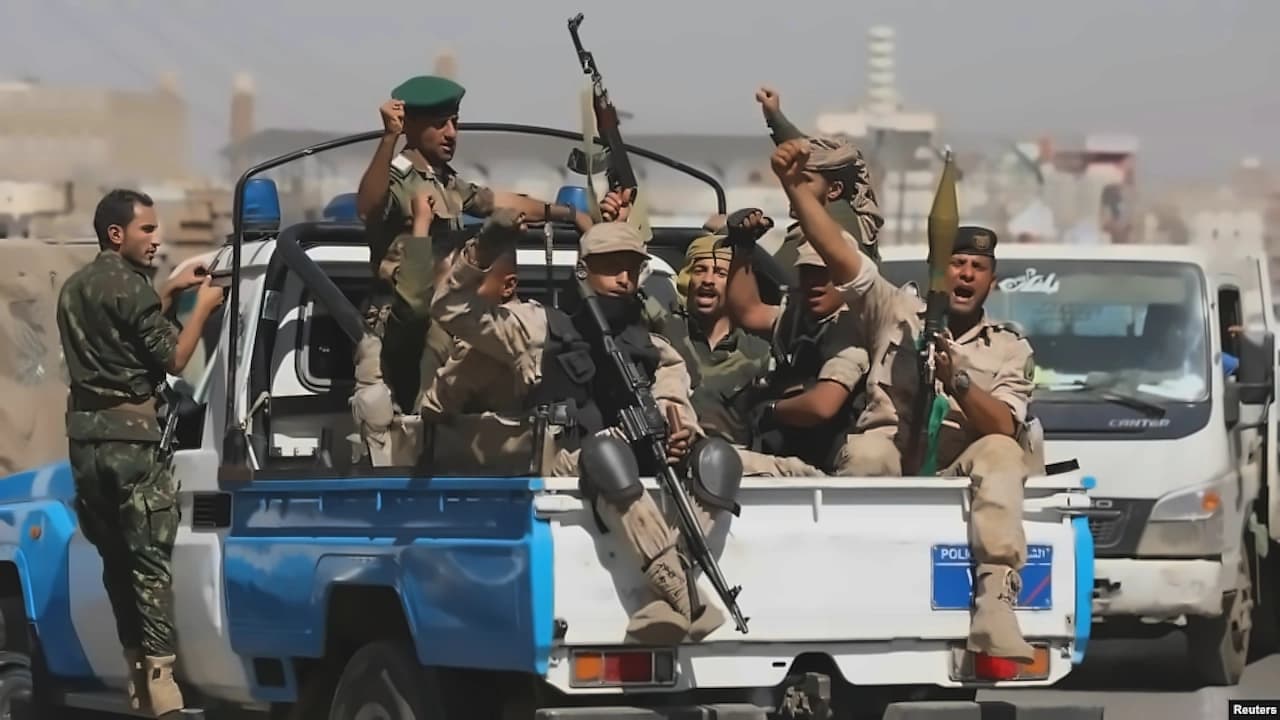
The offensive aims to reverse Houthi advances last month when the group moved down Yemen's coast and seized the Bab el-Mandeb strait, according to Gulf and Yemeni officials and Western diplomats cited by Reuters. Bab el-Mandeb connects the Red Sea to the Gulf of Aden and serves as the southern gateway for shipping between Asia and the Mediterranean, making it one of the world's most important maritime chokepoints. Its importance has increased sharply this year as the Strait of Hormuz has been effectively closed by the conflict with Iran. Saudi officials have concluded that renewed peace negotiations with the Houthis are not viable while the group controls Bab el-Mandeb and the strategic leverage that comes with it. The attacks come amid a sharp escalation in Yemen, with the country's government announcing on Sunday that it aimed to retake all Houthi-held territory, home to most of Yemen's population. The Saudi-led coalition said on Monday it had joined the offensive, with 100 warplanes flying dawn strikes to provide air cover for ground forces.
Washington is providing intelligence, targeting information and military advisers, as reported by Reuters. Saudi allies are not expected to participate directly in combat, with US President Donald Trump having rejected Saudi requests for direct military support. Pakistan and Turkey have supplied military equipment, while Pakistan has also deployed troops to Saudi Arabia for border protection and missile and drone interception, though no decision has been made to send forces into Yemen for combat operations. France has announced plans to deploy defensive systems and troops to Saudi Arabia to help protect the Red Sea port city of Yanbu, while the offensive would depend on fragmented Yemeni factions previously armed and trained by Saudi Arabia and the United Arab Emirates. Recent developments show Euronews reporting that the alliance announced intercepting ballistic missiles aimed at Khamis Mushait, while Houthi military spokesperson Yahya Saraa confirmed Saudi Arabia conducted 94 airstrikes and missile strikes in the past 24 hours. The reported plan keeps foreign partners out of direct combat, with the United States already supplying intelligence to support Saudi operations in Yemen, and regional and European countries providing mainly defensive military aid.
Pakistan's Foreign Minister Ishaq Dar announced an emergency meeting of the Co-Security Treaty of Mecca member states will be held in Riyadh next week to discuss developments in Saudi Arabia, as reported by Reuters. The emergency meeting would also discuss an Iranian proposal for politically engaging with the Houthis, as Riyadh's preparations proceed alongside a diplomatic thrust led by Meccan Defense Alliance countries. This diplomatic engagement occurs alongside the military preparations, indicating Saudi Arabia's dual approach of maintaining pressure through military action while exploring political solutions. The Times of Israel reports that Pakistan's foreign minister spoke of a mutual defence pact called the "Mecca alliance" whose members include Saudi Arabia and Turkey, with an attack on one member treated as an attack on all. Under this pact, six countries want to join, and the member states would pursue what the minister called "political dialogue" with the Houthis, though the report did not name the six countries or explain how the diplomatic track would relate to military preparations.