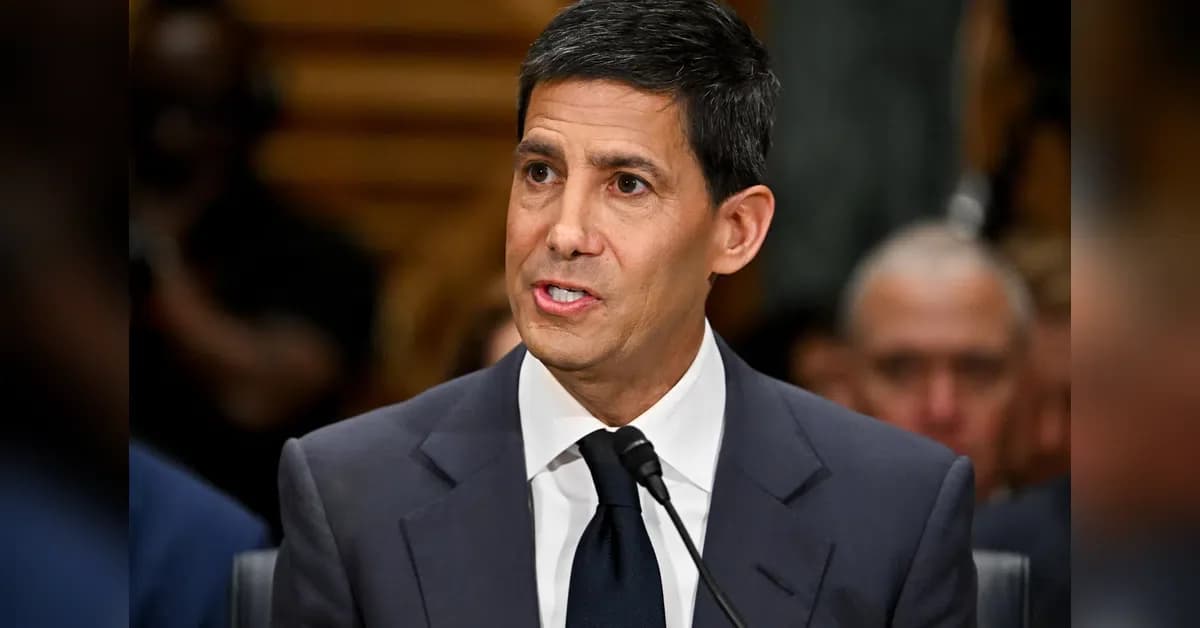
The International Monetary Fund's chief economist Pierre-Olivier Gourinchas has endorsed Federal Reserve Chair Kevin Warsh's move to reduce explicit forward guidance on monetary policy, calling it 'entirely appropriate' despite acknowledging the need for some long-term market guidance. Speaking to Reuters, Gourinchas stated that overly rigid guidance proved costly when inflation surged, as it tied the Fed's hands. 'That is something that is not tenable,' Gourinchas explained, adding that such rigid guidance had proven to be very costly when U.S. inflation surged in 2021 and 2022 but the Fed did not act quickly because it had earlier promised to keep rates steady. According to The Economic Times, Gourinchas believes explicit, strong commitments are no longer tenable, suggesting a more flexible approach is appropriate for central banks. The IMF chief noted that while central banks would always need to provide some guidance for markets to form views about long-term rates, the approach should be more implicit rather than explicit.
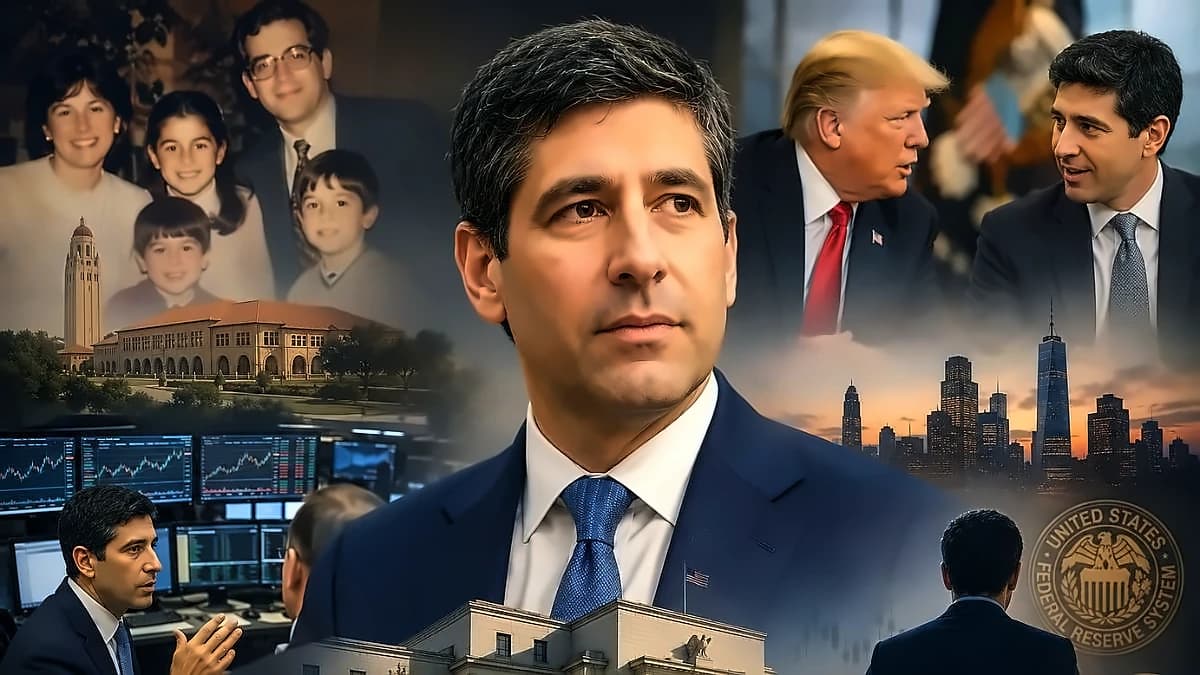
When Kevin Warsh assumed the Federal Reserve chair position in May 2026, he brought unprecedented wealth to the role. According to reports from The Financial Express, Warsh's federal disclosures reveal personal assets between ₹1,310 crore and ₹2,090 crore, with his wife Jane Lauder's estimated net worth of ₹19,000 crore adding significantly to their combined wealth. Warsh was born in Albany, New York in 1970 to a middle-class Jewish family, with his father operating a children's clothing store and mother working as a journalist. He attended Stanford University, graduating with honors in 1992, before joining Morgan Stanley's mergers and acquisitions division for seven years, rising to executive director.
In his first policy meeting as chair, Warsh organized a unanimous consensus around a stripped-down policy statement that jettisoned any forward guidance on what actions the central bank might take in the near term. As reported by The Associated Press, Warsh sharply cut the central bank's post-meeting statement and removed guidance about future interest-rate moves that financial markets had relied on. 'Forward guidance in general has served to suppress volatility and anchor market expectations,' said George Pearkes, global macro strategist at Bespoke Investment Group. The changes represent a return to former chair Alan Greenspan's circumspect approach, with analysts warning they could lead to more violent swings in stock and bond prices. 'Financial market prices are probably the most important source of information to guide central bankers,' Warsh stated, suggesting investors should make their own judgments about Fed policy direction. Such an approach carries the risk of more violent swings in stock and bond prices, with mortgage rates perhaps a quarter-point higher than they would be otherwise.
Warsh first entered Donald Trump's orbit during the 2017 Federal Reserve chair search, though Trump ultimately chose Jerome Powell. According to The Financial Express, Warsh became a leading contender by 2025 due to his criticism of the Fed's monetary policy and his optimistic views on artificial intelligence's potential to boost productivity. Trump announced Warsh's nomination in January 2026, calling him a transformative pick, and the Senate confirmed his nomination in May 2026. The confirmation process focused heavily on his extensive Wall Street ties and wealth, with critics raising questions about conflict-of-interest rules designed for smaller fortunes. As reported by Reuters, Bessent said President Donald Trump continues to express support for Warsh both publicly and privately.
Gourinchas's comments represent the first endorsement by a senior IMF official on the Fed's new approach, following years of entreaties by the global lender that central banks be transparent about their monetary policy plans. According to The Economic Times, Gourinchas noted that the IMF had seen some other central banks moving in the same direction, although many were still under inflation targeting regimes. He emphasized that markets, businesses and banks were always looking for clues to guide their investments, set mortgage rates and plan for the future, a push that went beyond the regular meetings of the Federal Open Market Committee to set interest rates. Despite the latest dot plot showing that roughly half of Fed officials expect at least one interest rate increase this year, Bessent urged policymakers to remain flexible, particularly as they assess evolving inflation risks. The approach could empower the Fed's 18 rate-setting committee members, whose public speeches will receive increased market attention as financial markets seek clues about what the Fed may do next.