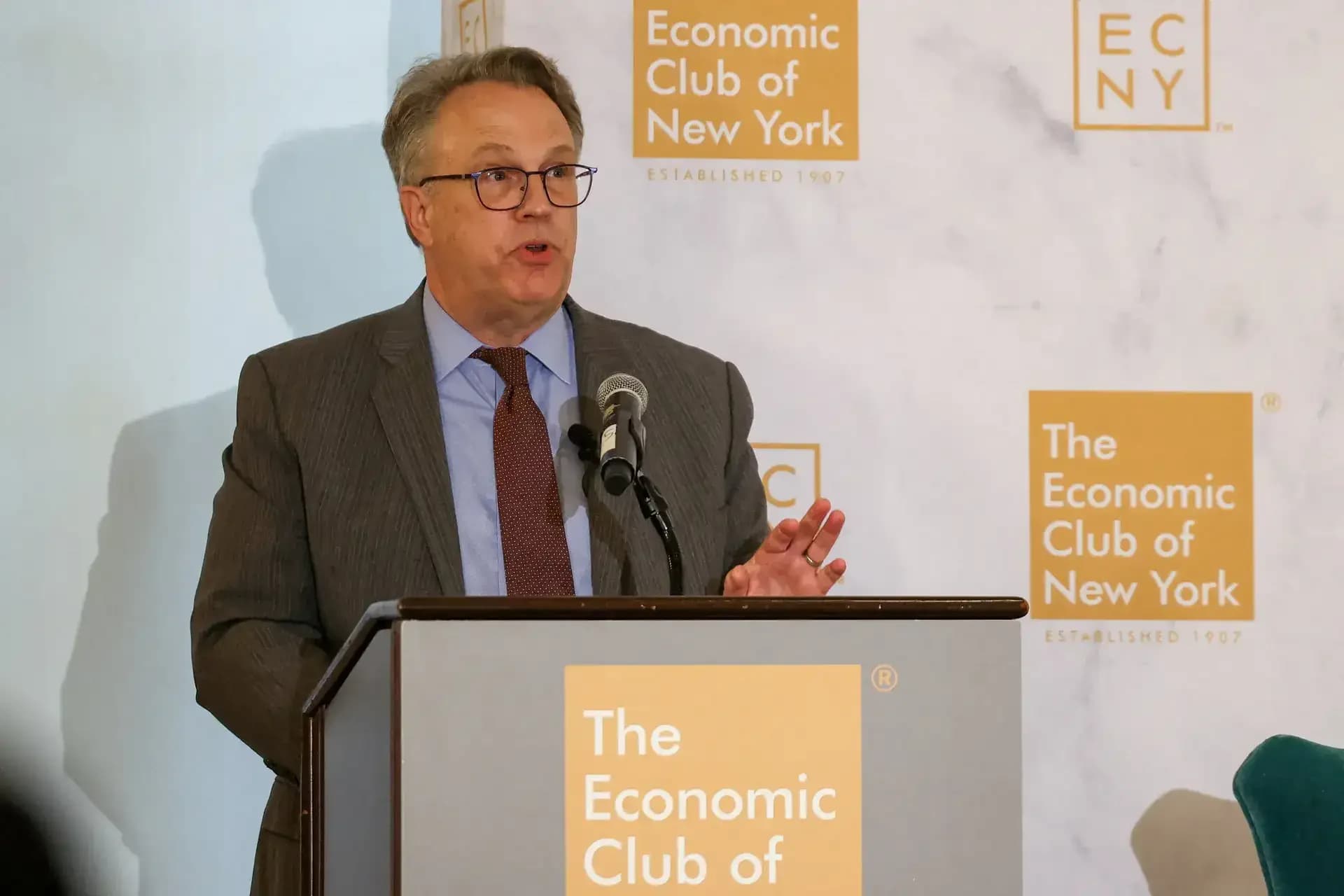
Federal Reserve Governor Lisa Cook has joined the growing chorus of inflation-wary policymakers, stating she is 'prepared to raise rates' if price growth remains elevated. In prepared remarks delivered Wednesday afternoon at Stanford University, Cook emphasized that 'after five years of above-target inflation, I am particularly attuned to the risk that elevated inflation will become embedded in price- and wage-setting behavior'. Her comments come as crude oil prices have fallen further, with crude falling under $95 a barrel as markets take prices in stride in expectation that the inflationary effect will be transitory. Cook's stance aligns with the Reserve Bank of New Zealand coming within a single casting vote of hiking rates, as traders increasingly debate whether the Fed may eventually need to remove the easing bias altogether. However, recent market developments show WTI crude oil prices slipping below the $92.00 level as markets gradually reduce geopolitical supply risk premiums despite continued uncertainty surrounding US-Iran relations.
According to Investing.com India analysis, inflation was never just about the spot price of crude. The energy shock was like a stone thrown into a lake, with ripple effects spreading to every corner of the economic system via freight costs, shipping insurance, supply chains, industrial inputs, and consumer expectations. Cook highlighted specific inflationary pressures, noting that 'prices have risen significantly for chips, other high-tech equipment, and software' and 'wages in specialty trades in construction have picked up notably'. She also pointed to electricity and water prices increasing by about 5% over the past year. The PCE report tonight suddenly matters far more than a routine inflation update as markets are increasingly debating whether the Fed may eventually remove its easing bias altogether rather than simply delaying cuts. PCE inflation is expected to come in at 3.8% YoY, with the core measurement up 3.3% YoY, while headline spending will be driven higher by gasoline prices, with little reprieve expected from tomorrow's data.

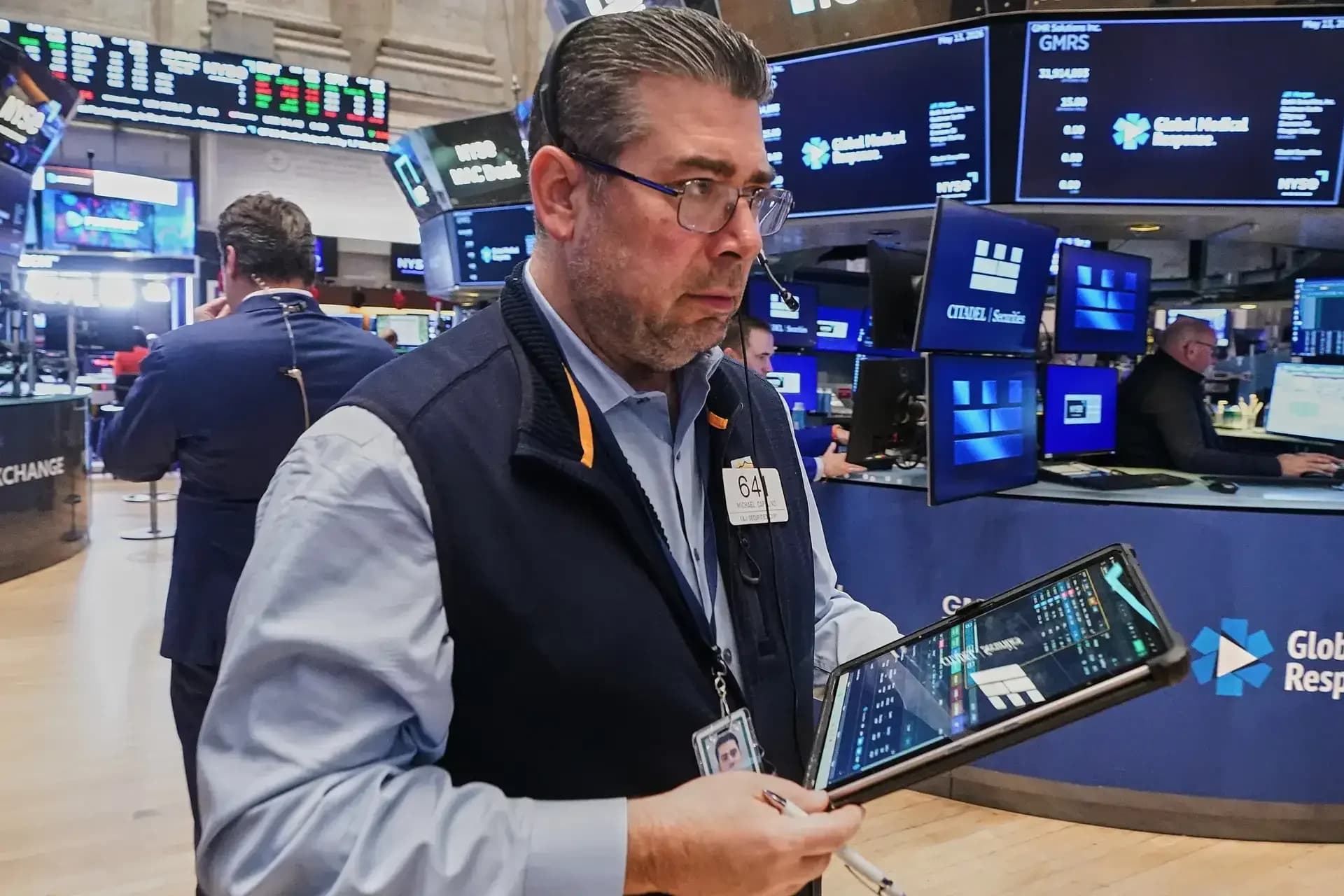
As reported by Investing.com India, traders understand that the market is now saturated with bullish positioning, while downside hedging remains dangerously thin ahead of a dense and potentially pivotal macro calendar. Equity index futures are higher overnight, largely thanks to the AI-trade, which has powered the Nasdaq and S&P to record highs as investors have been piling into chip stocks. Investment markets have largely matched this hawkish trend, with more than half of federal funds futures contracts now pricing in at least one quarter-point hike, with some projecting as many as four. This represents a dramatic shift from less than 10% of contracts reflecting at least one interest rate hike by the end of the year just weeks ago. The dollar sensed that tension immediately and surged higher while precious metals weakened sharply, with gold slipping back below $4,500 and silver selling off as speculative appetite cooled. However, recent market stabilization shows the US Dollar Index softening toward the 99.00 level as easing geopolitical fears reduce safe-haven demand.
According to Investing.com India analysis, the AI supercycle still refuses to die with analysts continuing to raise long-term earnings projections tied to AI infrastructure spending and strategists lifting year-end S&P targets toward 8,000. However, Cook took an optimistic but measured view of the emerging technology, noting that the AI boom is already having a meaningful impact on the economy via massive investment into inputs and infrastructure - including $1.5 trillion of outlays for data centers alone. She highlighted AI's ability to boost productivity and spur new business creation. However, she warned that 'we could be approaching the most significant reorganization of work in generations' and 'AI-related job loss could precede job gains'. Cook also noted that firms may expand along the intensive margin but also along the extensive margin and undertake new AI-related capital expenditure, such as in robotics.
The hawkish shift within the Federal Open Market Committee has gained significant momentum, with at least six inflation-wary FOMC members - half of the group's voting members - making the odds of a rate cut even less likely. Three reserve bank governors - Cleveland's Beth Hammack, Dallas' Lori Logan and Minneapolis' Neel Kashkari - voted against the FOMC's policy statement last month, arguing against the phrase 'In considering the extent and timing of additional adjustments to the target range for the federal funds rate'. Since then, Philadelphia Fed President Anna Paulson and Federal Reserve Gov. Christopher Waller have also endorsed dropping the 'easing bias' from the Fed's policy statement. Cook's stance represents a significant development as she joins this camp, with the Fed now favoring a neutral stance for its projected policy path rather than maintaining any bias toward easing. Fed Governor Waller said it is 'crazy' to talk about rate cuts given current inflation, and explicitly stated he 'can no longer rule out rate hikes further down the road if inflation does not abate soon'. Given that the median and trimmed mean inflation readings both sit above 3%, while the Fed's supercore measure also sits over 3%, it is unlikely that the Fed will move on policy in 2026.