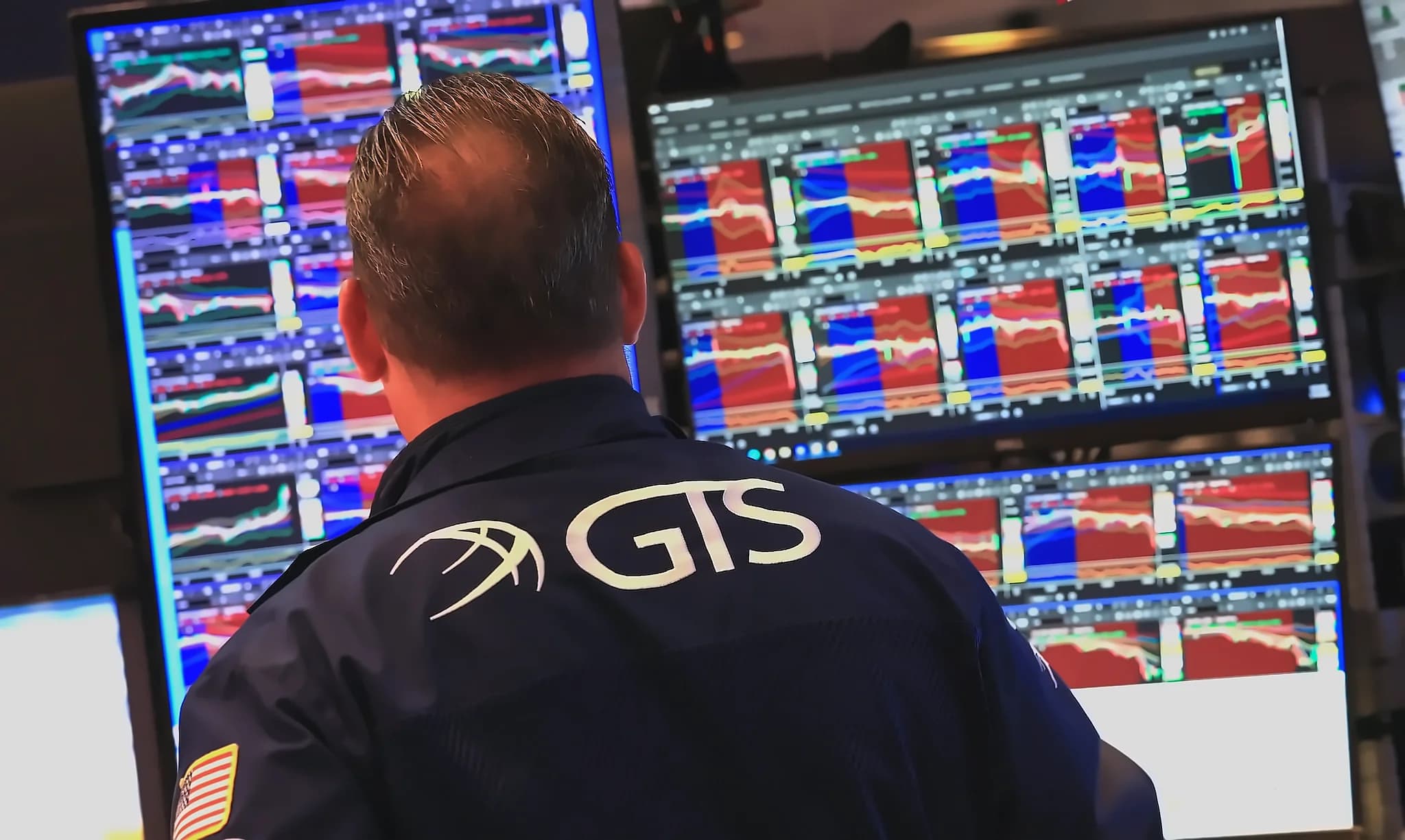
Federal Reserve Chair Kevin Warsh officially announced the central bank is maintaining the target range for the federal funds rate at 3.50%–3.75% in his first FOMC meeting as chair, with the committee voting 12-0 to hold rates unchanged. According to reports from The Financial Express, the decision was fully expected but carried unusual weight as Warsh's debut meeting. However, most major cryptocurrencies fell between 1% and 3% following the announcement, with bitcoin dropping to $64,150 and ether falling 3.6%. The GMCI 30, tracking the top 30 largest cryptocurrencies by market cap, was down about 2.6%, bringing its year-to-date drop to nearly 36%. Traditional safe-haven assets also weakened, with gold falling 2.2% and silver dropping 4%. Treasury yields rose and US stocks fell modestly while the dollar gained ground against a basket of currencies after the policy statement release. CME Group's FedWatch data suggests there is a 99.6% probability of the Federal Reserve keeping the key benchmark interest rates unchanged, though 0.4% of experts are expecting a rate increase to 3.75%-4%. Market analysts note that the Fed did not hike rates, but made hikes believable again, with the 2-year Treasury yield climbing sharply to around 4.21% and money markets moving to fully price in a rate hike by October. At one point, the market was assigning around a 40% chance of a July hike, representing a violent turn in policy weather for markets that earlier this year had been built around expectations of bluer skies.
Bank of America Global Research now expects the US Federal Reserve to raise rates by 25 basis points at its September, October, and December meetings, bringing the policy rate to a range of 4.25%-4.50% by year-end. According to a Reuters report, this forecast represents a sharp departure from the bank's earlier expectation that rates would remain unchanged throughout the year. The revised outlook arrives as investors prepare for the release of the U.S. Personal Consumption Expenditures inflation report, the Fed's preferred gauge of inflation. In explaining its revised outlook, Bank of America said the Federal Reserve appears more focused on inflation risks than previously anticipated, with the Fed's June economic projections and comments from Chair Kevin Warsh suggesting policymakers were operating with a more hawkish reaction function than earlier estimates indicated. Deutsche Bank has also adopted a more hawkish outlook, forecasting two quarter-point rate hikes this year in September and December, while BNP Paribas expects three rate hikes beginning in December after abandoning its prior assumption that policy would remain unchanged. BNP Paribas linked its outlook to resilient labor-market conditions, stronger-than-expected employment data, and rising inflation pressures that it partly associates with the ongoing U.S.-Iran conflict, with the bank projecting the unemployment rate could fall toward 4% by year-end.
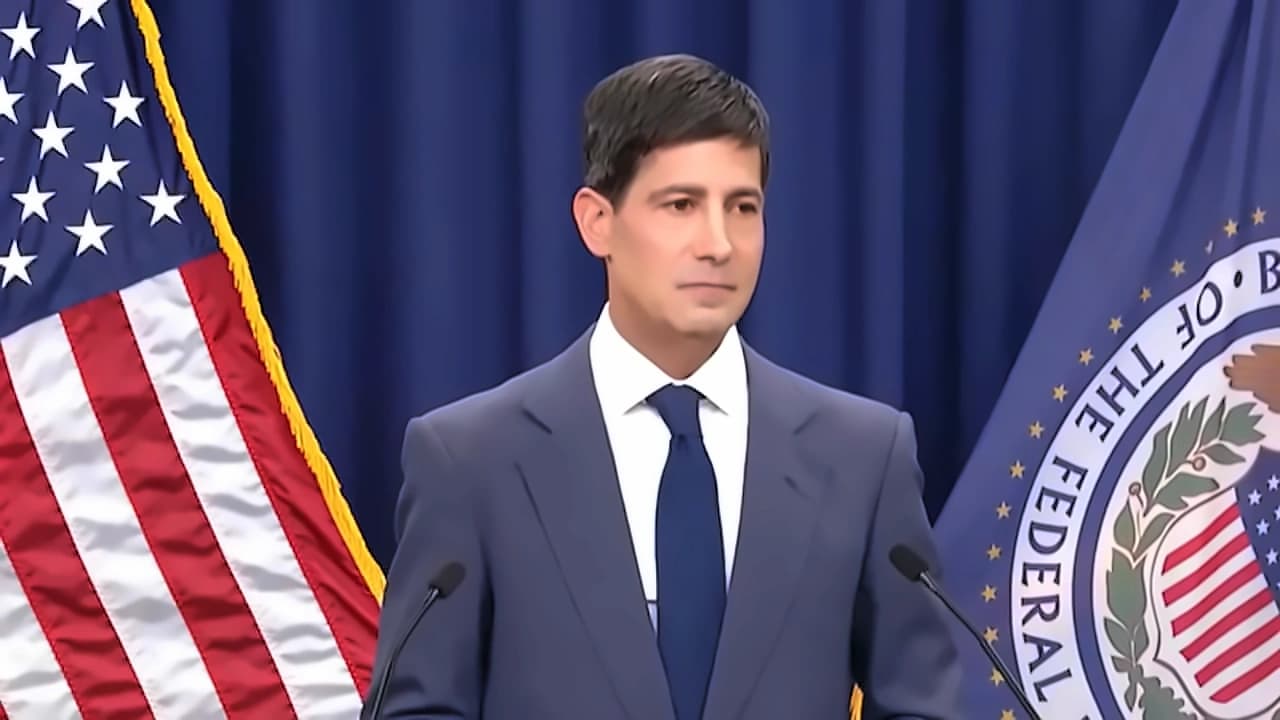
Newly appointed Federal Reserve Chairman Kevin Warsh officially announced the central bank is dropping 'forward guidance' in its communications during his debut press conference on Wednesday, June 17, 2026. According to reports from The Economic Times, the statement, in an early sign of Warsh's influence, removed any guidance about future rate moves altogether, with a revised format that simply stated the rate decision and reaffirmed the central bank's intent to keep 'ample reserves in the banking system'. This marks a significant departure from recent monetary policy norms, as the Fed will now issue factual statements without detailing members' voting positions. The committee held the target range for the federal funds rate at 3.50%–3.75% with economic activity expanding at a solid pace, though inflation has run well above 2% for over five years. The description of the economy touched on issues Warsh has emphasized, mentioning that 'productivity growth and capital investment are strong'. Warsh did not submit his own rate forecast during this meeting, stating he has long opposed forward guidance and prefers policymakers to respond to incoming economic data rather than commit to a future path. Warsh's repeated emphasis on price stability was the centre of gravity, with the Fed now talking like a committee that sees inflation risk as the bigger threat again, rather than primarily worried about the labour market. The statement was the shortest since the Alan Greenspan era and contains no forward guidance, with no dissenting votes suggesting the Fed's posture is more hawkish.
The Federal Reserve's latest projections reveal a sharp shift toward hawkishness, with nearly half of policymakers now signaling potential rate increases despite maintaining current levels. According to The Financial Express, nine Fed officials now expect interest rates to be higher by the end of 2026 out of 18 officials who submitted projections, with only eight officials thinking rates will stay where they are and one still expecting a cut. This represents a dramatic change from March when no policymakers penciled in a hike and the committee as a whole forecast one cut in 2026. The revised forecasts show inflation expected to end 2026 at 3.6%, up sharply from the 2.7% forecast made in March, with core inflation also expected to be higher than previously thought. Eight officials signaled they would support keeping the rate unchanged, while only one penciled in a cut, reflecting the committee's cautious approach amid current economic conditions. The 2026 median Fed Funds rate projection for year-end moved from 3.4% to 3.8%, with next year's rate higher by half a percentage point as well. Core PCE was revised higher by 0.6% for 2026 and by 0.3% for 2027. The bigger message came from the dots, with nine Fed officials now seeing at least one hike this year, six seeing at least two, and another nine expecting either no move or a cut. This was not a clean consensus in hiking, but it is enough to change the market conversation, with the bar for a hike clearly moved lower than the market wanted to believe, while the bar for a cut has moved higher. Short-term interest rate futures are now pricing a bigger chance of a rate hike by September than a hold, with money markets moving to fully price in a rate hike by October.
To spearhead an institutional overhaul, Warsh announced the immediate formation of five dedicated task forces set to begin work in the coming weeks. According to Reuters, he expects most or all of them to conclude their reviews by the end of the year. The task forces will examine communications, balance sheet management, data sources, productivity/jobs/AI, and inflation frameworks. Each task force will have an objective shared by everyone: 'A Federal Reserve that is clear-eyed about its mission, fit for purpose, and focused on the future.' The first task force will examine Fed communications, with the review also considering changes to the Fed's closely watched Summary of Economic Projections (SEP). A second task force will review the Fed's balance-sheet policy, including the benefits and risks of the current 'ample reserves' regime and possible alternatives for implementing monetary policy. Warsh also announced a review of the Fed's communications strategy, including its projections and use of the dot plot during his press conference. Importantly, Warsh opened another can of worms by announcing a task force to examine the Fed's $6.7 trillion balance sheet, which matters because the balance sheet is part of the policy transmission system. For a market already sensitive to every tremor in funding, depth and duration, that is not a footnote - it is the plumbing question hiding behind the rate headline. Warsh did not add his projections to the dot plot, stating he has long opposed forward guidance and prefers policymakers to respond to incoming economic data rather than commit to a future path.
The Fed's latest projections show inflation slowing sharply next year, allowing rates to return to current levels by the end of 2027 and easing modestly further in 2028. According to The Financial Express, most policymakers said inflation risks remain tilted to the upside, meaning they see a greater chance that inflation could end up higher than expected rather than lower. The statement showed other signs of Warsh's early influence as he takes over after being appointed earlier this year by President Donald Trump with an expectation that he would deliver the rate cuts the president has demanded. The Fed slightly lowered its forecast for economic growth to 2.2% in 2026 compared with a previous estimate of 2.4%, creating a difficult balancing act for policymakers as slower growth would normally call for lower interest rates but persistent inflation makes it harder for the Fed to ease policy. The unemployment rate is expected to end 2026 at 4.3%, slightly better than the 4.4% forecast in March, with the Fed's outlook for the labour market changing very little despite inflation concerns. The US Bureau of Labour Statistics data showed that retail inflation remained at an elevated level, rising to 4.2% in the 12 months ending May 2026, from its earlier 3.8% levels in April 2026. Since the beginning of the US-Iran conflict in West Asia, the energy index prices advanced 23.5% while the food index prices rose 3.1% over the last year. The debate now shifts to whether this is the opening act of a real hiking cycle or simply a warning flare designed to keep financial conditions tighter. The Fed can still avoid hikes if inflation cools quickly enough, but the corridor has narrowed, and every incoming inflation print now carries more market voltage. The market's old safety blanket is still in the room, but it is no longer being tucked around every risk asset before bedtime.