According to reports from CNBC TV18, PGIM has forecasted that the Federal Reserve will implement three 25 basis point rate hikes throughout 2026. This prediction places PGIM significantly outside the current market consensus, which suggests rates will either remain unchanged or see only one hike by year-end. The latest analysis from PGIM cites a surprisingly resilient economy despite slow inflation decline as justification for their more aggressive stance.
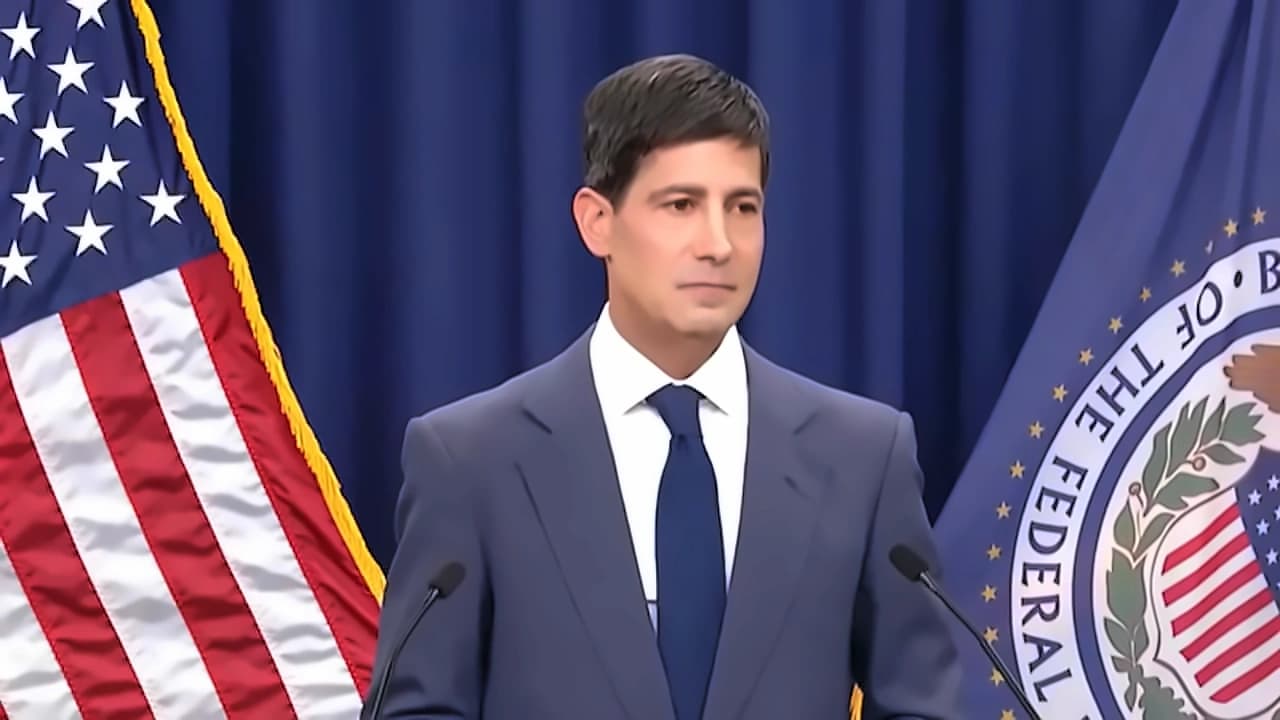
As The Mint reports, the Federal Open Market Committee will announce its first interest-rate decision under Federal Reserve Chairman Kevin Warsh on Wednesday, with markets widely expecting rates to remain unchanged. Warsh's career-long hawkish stance on rates and his nomination by President Trump despite this positioning have created significant market uncertainty. The new chairman's approach to monetary policy is expected to be more cautious than his predecessor's, with The Mint suggesting gradual changes may be preferable to rushed transformations of the Powell Fed into the Warsh Fed.
According to The Mint, Warsh's leadership represents a significant shift from the eight-year tenure of Jerome Powell, who maintained a calm, reassuring approach and successfully defended Fed independence against political pressure. The transition comes after the most divided FOMC meeting of Powell's chairmanship on April 28-29, when three regional reserve bank presidents dissented against dovish language, creating an 8-4 vote - almost unheard-of disagreement on the consensus-driven committee. The Mint notes that Warsh's criticism of the Powell Fed's communication style may lead to tighter statements with less forward guidance, though this approach could create market confusion given participants' familiarity with Powell's more transparent approach.

The growing concern about risk assets extends beyond traditional markets, with Citadel Securities drawing parallels between current conditions and historical market bubbles. Their analysis suggests potential parallels to the internet bubble of 2000 and the inflation crisis of the 1970s, both characterized by prolonged periods of high interest rates. This backdrop creates particular challenges for sectors like artificial intelligence, where companies are already considering price adjustments due to rising cost sensitivity among clients. The SPDR S&P 500 ETF Trust SPY currently shows 16.0% overvaluation with a GF Value™ of $650.66 versus its current price of $754.83, while maintaining a GF Score™ of 86/100 indicating strong fundamentals.