Walmart delivered its first quarterly comparable sales miss in at least five years, with US same-store sales rising just 2.6% compared to estimates of 3.8%, according to data compiled by LSEG. The retailer's average ticket grew only 1.1%, well below the 3.1% rise recorded a year ago, as reported by Business Standard. CFO John David Rainey attributed the weakness to rising fuel costs, stating that "when fuel prices increase and get above $4, perhaps there's a psychological impact to that ... consumers are making trade-offs." This historic miss represents a significant departure from Walmart's track record of lifting forecasts and comfortably beating comparable sales estimates throughout the year. The results offer a critical read on the retail bellwether's ability to attract price-sensitive shoppers as they prioritize groceries and essentials over discretionary spending ahead of the back-to-school and holiday seasons.
Despite the sales miss, Walmart delivered robust financial results with revenue increasing 5.9% to $187.9 billion and marking its 25th consecutive quarter of beating revenue estimates. As reported by The Economic Times, operating income rose $2.1 billion, or 28.8%, with adjusted earnings per share at $0.81 excluding certain items. The company's gross profit rate improved by 96 basis points, led by Walmart US, though this was affected by tariff refund benefits during the quarter. The company reported return on assets of 8% and return on investment of 15.4%, demonstrating strong operational efficiency. However, the latest guidance shows adjusted earnings per share (EPS) of $0.62 to $0.64, missing Wall Street's $0.68 estimate according to Fiscal.ai data. Walmart now expects fiscal 2027 net sales to grow between 4% and 5%, compared with its earlier target of growth between 3.5% and 4.5%.
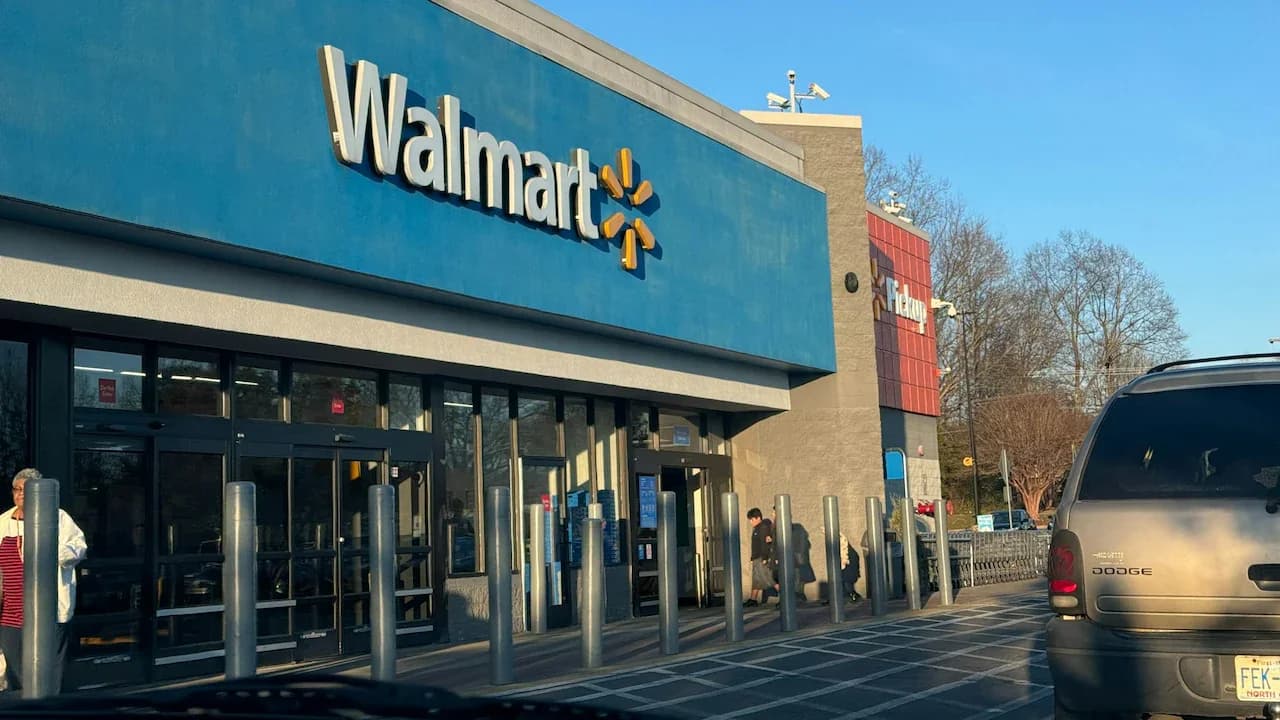
The subdued US store sales performance was primarily attributed to the maximum fair price legislation that allows Medicare to negotiate drug prices, significantly impacting the retailer's pharmacy business. As reported by MarketWatch, this legislation has reduced drug prices in the United States which in turn reduced the sales growth in the retail stores. While the company's core merchandise segment reported 3.4% sales growth, this was insufficient to offset the pharmacy business decline. The US store sales advanced 2.6% in the period under review, representing the slowest pace of growth since the fourth quarter (Q4) of 2020. This regulatory change represents a significant headwind for Walmart's pharmacy operations, which had previously been a growth driver for the retailer.
Walmart's e-commerce segment delivered strong performance with sales surging 23%, exceeding expectations of 22% growth, as reported by MarketWatch. The US e-commerce sales increased 24% during the quarter, largely due to promotions the company ran to beat competitors. The company's advertising business emerged as a key growth driver, with Walmart Connect growing 43% and global advertising revenue up 38%. However, growth rates in these businesses were not sufficient to offset the weakness in in-store shopping. The company's third-quarter net sales growth target of 3% to 3.75% was also lower than expected. Sales dropped in its US pharmacy business, as lower prices negotiated under the Inflation Reduction Act's Maximum Fair Price program reduced the amount consumers spent on each visit.
Walmart shares tumbled 8% during pre-market trading on Thursday, August 20, as investors focused on the disappointing US sales growth despite the company raising its full-year financial guidance. As reported by MarketWatch, the stock was trading at $105.05 per share during pre-market session, compared to $114.30 at the previous close. After the opening bell, Walmart stock declined more than 8% to around $105.18 per share. Despite the recent decline, Walmart shares have delivered more than 126% returns to investors in the last five years and over 11% gains in the last one-year period. The company's market capitalisation stood at $909.61 billion as of Thursday's trading session. Walmart shares were up 1.3% on a year-to-date basis, but have lost 7% in the last six months and 7% in the past one-month.