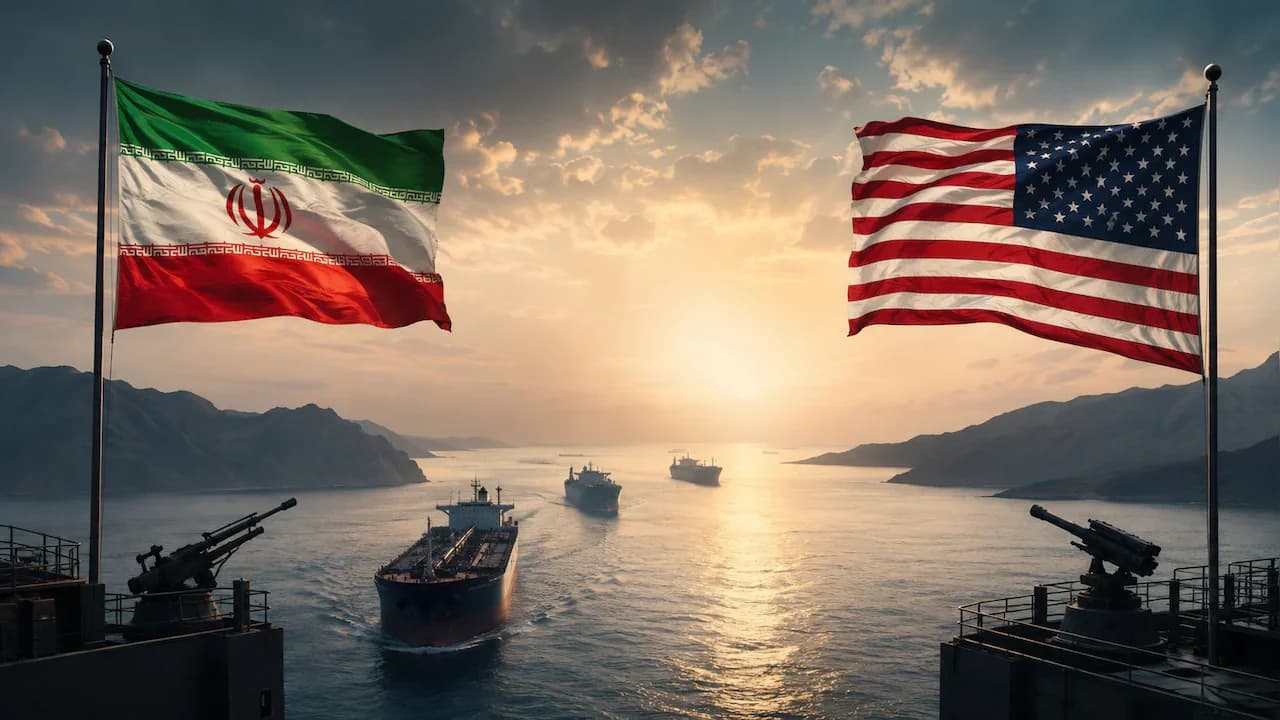
Iran has issued a stark warning that US military installations and other American interests across the Middle East could be targeted if Washington takes fresh military action against Tehran, according to the semi-official Mehr News Agency. The warning was attributed to Iran's Khatam al-Anbiya Central Headquarters, the country's top operational military command, as reported by Mehr News Agency. Tehran does not intend to initiate hostilities but said its forces are prepared to retaliate if Iran's national security or territorial sovereignty is threatened. The warning comes as military tensions remain high across the region, even as diplomatic efforts continue to prevent further escalation. Mehr described the current situation as one of the region's most sensitive security junctures, warning that US military movements could raise the risk of further escalation even as diplomatic channels remain open.
US President Donald Trump has rejected Iran's seven-day ceasefire proposal and told aides he expects US bombing of Iran to resume after the November midterm elections, according to US officials cited by The Wall Street Journal. Iranian Foreign Minister Abbas Araghchi unveiled the plan at the UN General Assembly on Thursday, with Qatar carrying it to Washington. Under the plan, fighting would stop on every front, including Lebanon. The US would lift its naval blockade of Iranian ports and ease oil sanctions. Iran would get some frozen assets back. In return, Iran would reopen the Strait of Hormuz. "The moment they accept this plan, from the next day, this timetable can start, and after seven days, the strait will be open," Aljazeera reported, citing Araghchi. Washington said no. Trump doubts Iran will meet his demands, officials told the Journal. The US has also told Iran the blockade stays. The Journal reported that the blockade is doing deep damage to Iran's economy.
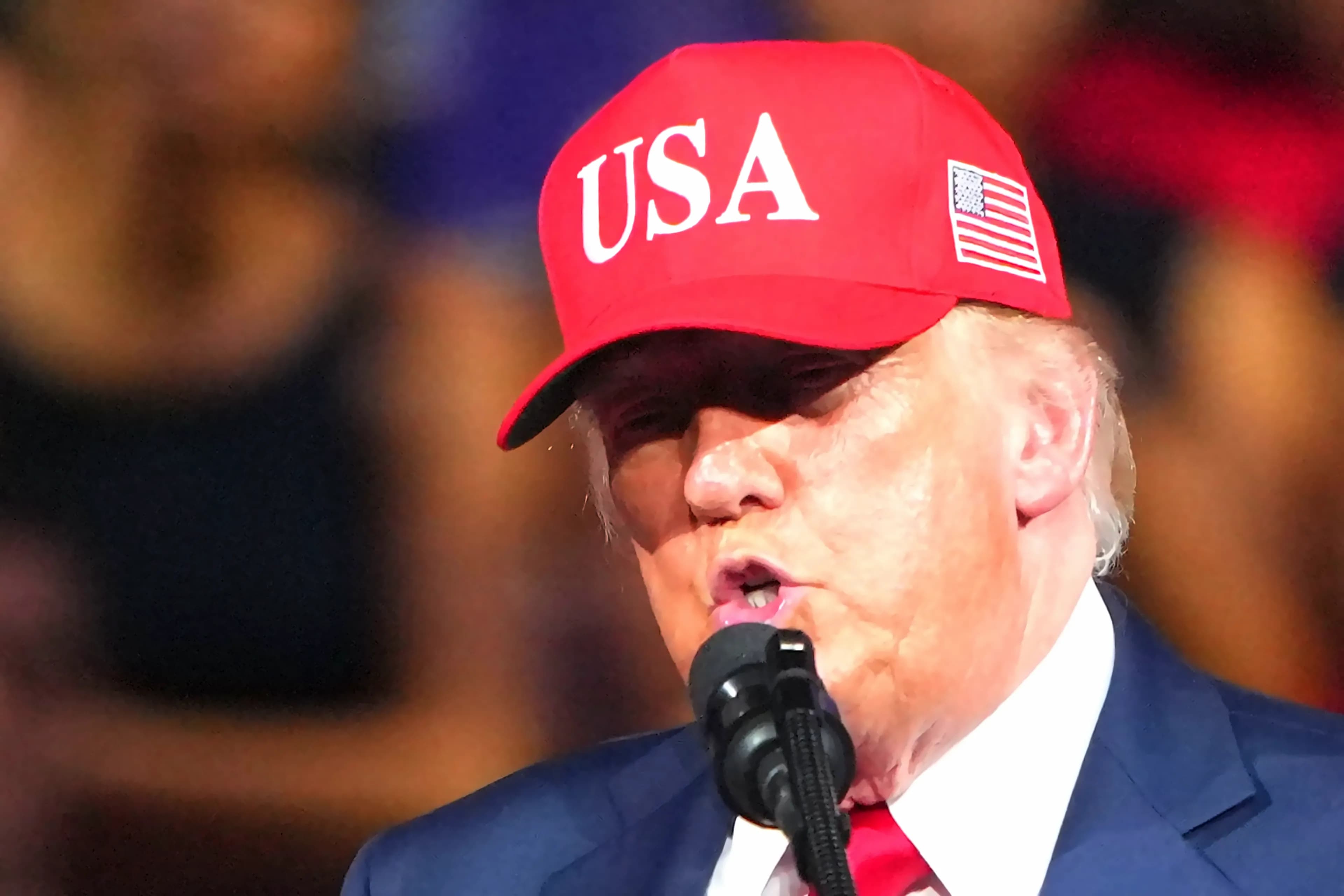
The Strait of Hormuz has emerged as a major flashpoint in the US-Iran confrontation, with the vital shipping route carrying a significant share of global oil and gas supplies. Vessel traffic through the waterway has fallen sharply amid the conflict, as reported by Al Jazeera. Trump provided optimistic economic projections for the end of the Iran conflict, stating "Oil prices will plummet after the Iran conflict is over," adding that prices could fall to levels below those seen before the conflict. According to NDTV Profit, Trump said more oil is flowing than at any point since the war started and predicted sharp price declines once the conflict ends. The comments come as disruptions around the Strait of Hormuz have continued to weigh on global energy markets, with the waterway being a major route for global oil shipments. The Trump administration has told Iran and regional mediators the president has no intention of lifting the maritime blockade, officials familiar with the matter told, with Washington calculating that sustained economic pressure could eventually force Tehran into an agreement on more favourable terms.
Trump announced a significant diplomatic shift during his UNGA address, stating "I believe we'll make a deal with Iran after the election," adding that the US and Iran would get a deal done "one way or the other." According to NDTV Profit, Trump urged Iran to enter negotiations, saying he had urged Tehran to negotiate several times. Speaking at the UN General Assembly this week, Trump said domestic politics would not shape his approach to Iran. "The only thing that does have credence is that Iran will never have a nuclear weapon," he said. Qatar has been mediating renewed indirect talks around the UN session, though the proposal's scope over the parallel Yemen conflict remains unclear. Iran has indicated that it could consider reopening the Strait of Hormuz under certain conditions, while US officials have also signalled openness to dialogue, marking a potential breakthrough in the stalled negotiations.
Yemen's Iranian-backed Houthi rebels have further shaken the Gulf region by launching attacks against Saudi Arabia and capturing Perim Island, a strategic foothold in the Bab El-Mandeb Strait, another vital maritime trade route in the region. As reported by TIME, meaningful negotiations between the two countries have been stalled for weeks following the breakdown of a memorandum of understanding leaders signed in June. Experts tell TIME that the U.N. General Assembly gathering could offer a critical chance to deescalate the situation and attempt to revive peace efforts, though making progress in negotiations could be an uphill battle. "This week in New York, there is an opportunity, especially for the mediating countries, to try to prevent tensions from once again spiraling, and potentially this time spiraling out of control," says Ali Vaez, deputy program director for the Middle East and North Africa at the International Crisis Group.