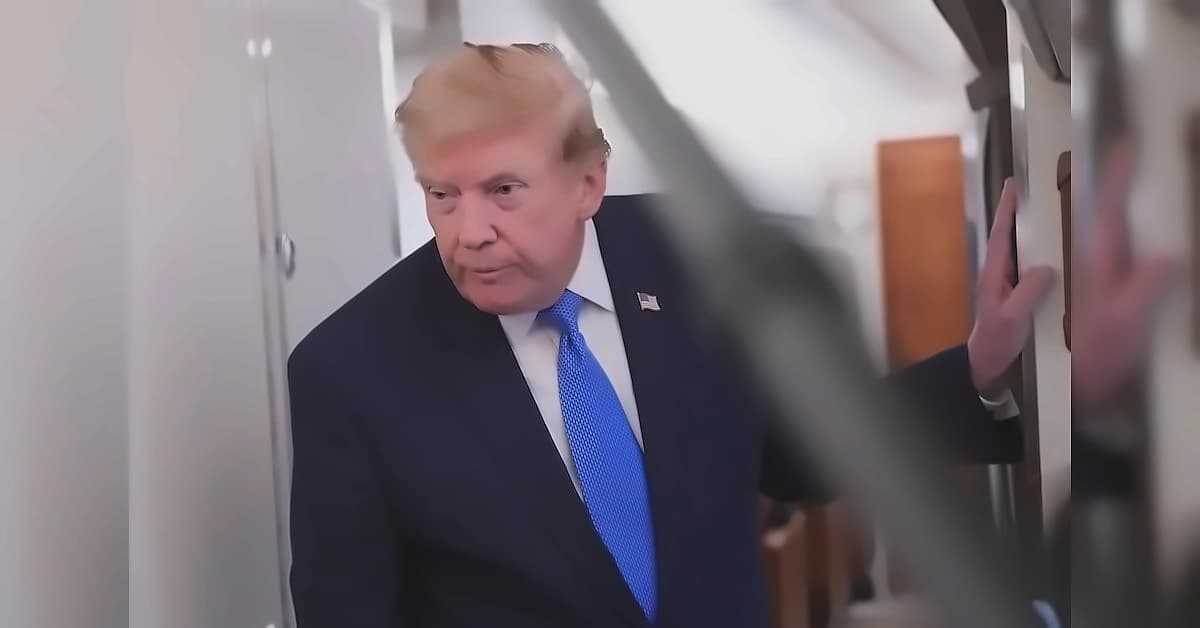
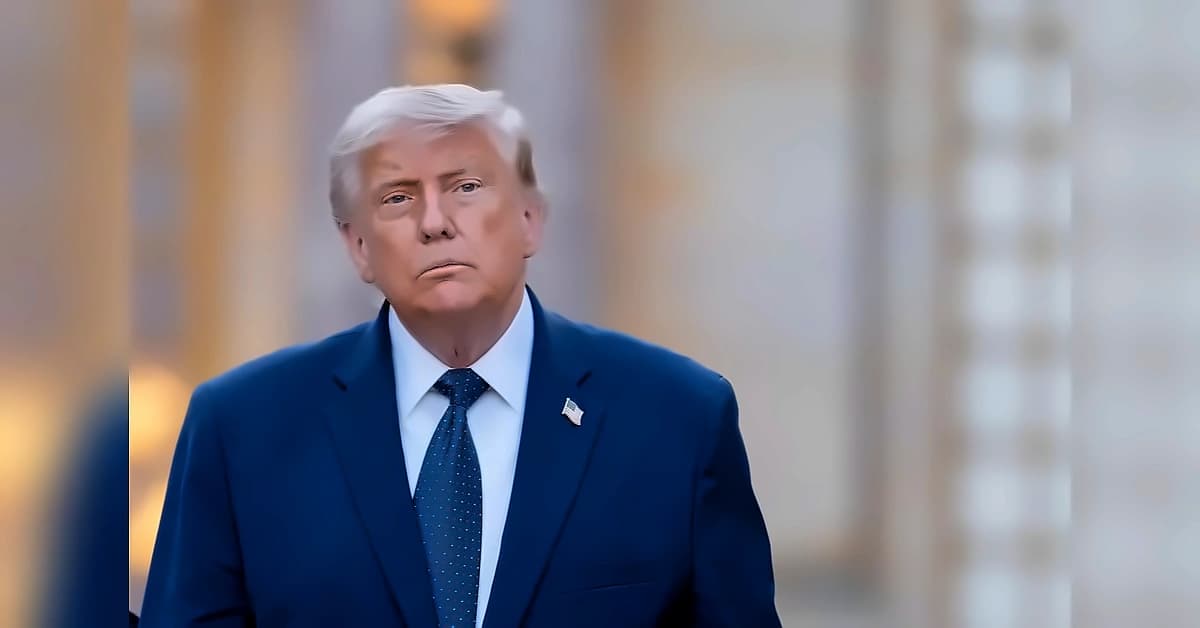
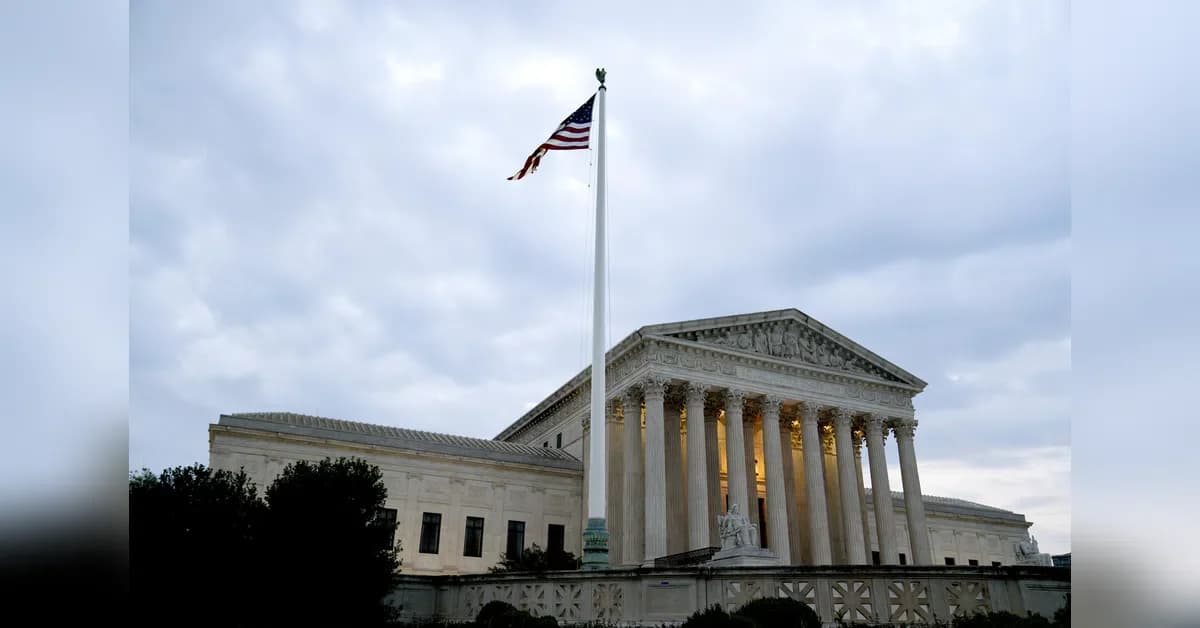
US President Donald Trump has vowed to pursue legislation to end birthright citizenship after the Supreme Court struck down his executive order, calling the decision 'too bad for the Country' on Truth Social. According to reports, Trump wrote: 'The Supreme Court upheld Birthright Citizenship, which is too bad for our Country, but we can easily make it up in Congress through Legislation, with the support of the President, that has now been determined during this process.' Trump expressed frustration with the conservative-leaning court, including justices appointed by Republican presidents, arguing that the ruling undermined his administration's efforts to tighten immigration policies.
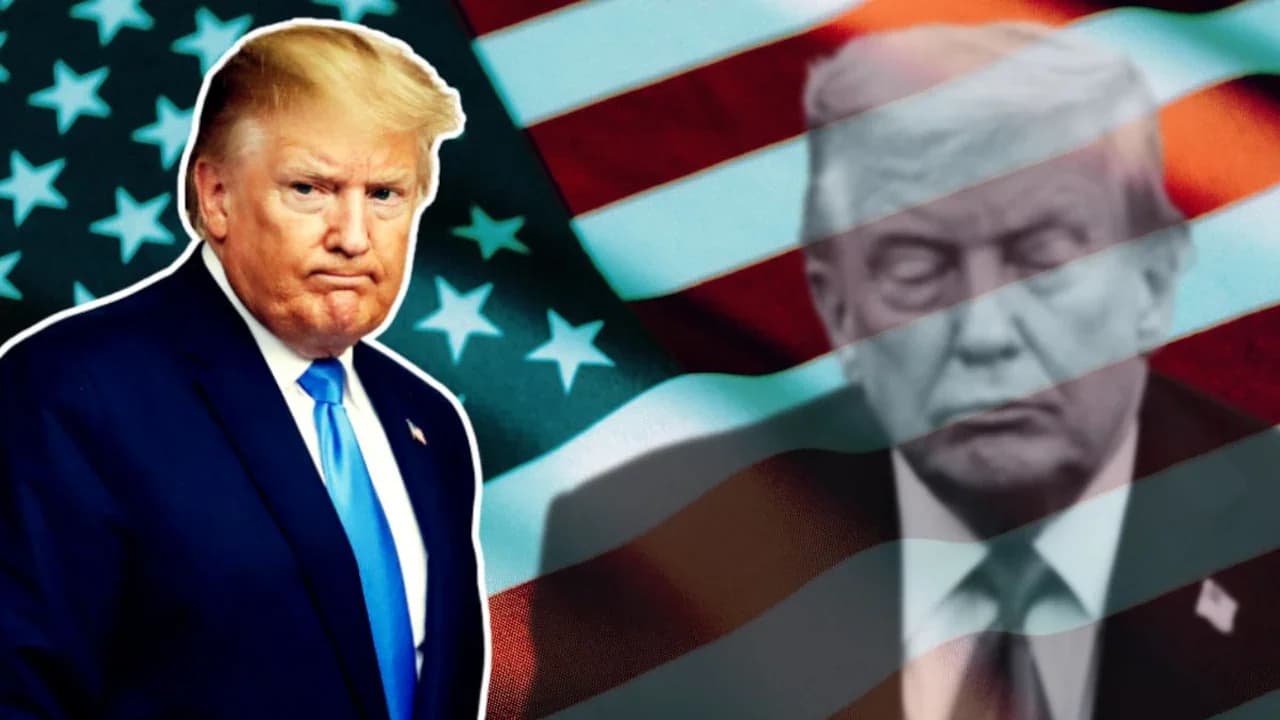
The US Supreme Court has delivered a significant blow to President Donald Trump's immigration policies by striking down his birthright citizenship curbs in a landmark judgement announced on Tuesday. According to reports from The Times of India, this decision represents the third loss handed to Trump in two days by the apex court, demonstrating the judicial resistance to the administration's immigration reform efforts. In a 6-3 vote, the court ruled that Trump's executive order issued hours after his inauguration last year couldn't be squared with the Constitution's 14th Amendment, which has long been understood as guaranteeing citizenship to virtually everyone born on US soil.
The Supreme Court's latest ruling follows two consecutive defeats for the Trump administration in recent days. As reported by The Times of India, the first setback came with the retention of Lisa Cook as the Fed governor, while the second involved the sacking of his appeal to overturn a $5 million civil judgment awarded to writer E. Jean Carro in a sexual assault case. These consecutive losses highlight the judicial scrutiny facing the Trump administration's policy decisions.
The Supreme Court's decision to strike down President Trump's birthright citizenship curbs represents a significant development in US immigration policy. According to The Times of India, this ruling directly affects the administration's efforts to restrict birthright citizenship, a policy that has been a contentious issue in recent immigration debates. The court's decision demonstrates the judicial branch's role in reviewing executive branch immigration policies, with Trump's executive order seeking to restrict birthright citizenship to babies with at least one parent who is a US citizen or green-card holder, affecting an estimated 250,000 children born to undocumented immigrants and temporary visitors each year.
The Supreme Court's ruling relied heavily on US v. Wong Kim Ark, an 1898 decision that established the citizenship clause covered a man born in California to two Chinese parents. The 6-2 decision concluded the phrase 'subject to the jurisdiction thereof' was written to exclude only a few narrow classes of people, including the children of invaders, foreign ambassadors and Native Americans. However, Justice Thomas dissented, writing that 'The court has repurposed the Fourteenth Amendment to protect its own set of preferred rights that the Reconstruction Congress never contemplated and that cannot find support in its text.' Democrats argued the executive order could have stripped millions of current Americans of their citizenship, along with their ability to vote and get passports.
The case, Trump v. Barbara, 25-365, began when a federal district judge in New Hampshire ruled against Trump, and the administration appealed directly to the Supreme Court, bypassing the appeals court level. As reported by Bloomberg, this marked the first time in the court's recorded history that a sitting president had gone to an argument. The ruling represents a significant constitutional victory for birthright citizenship, with critics arguing that Trump was seeking to rewrite the 14th Amendment's provision that guarantees citizenship to anyone born in the US and 'subject to the jurisdiction thereof.'