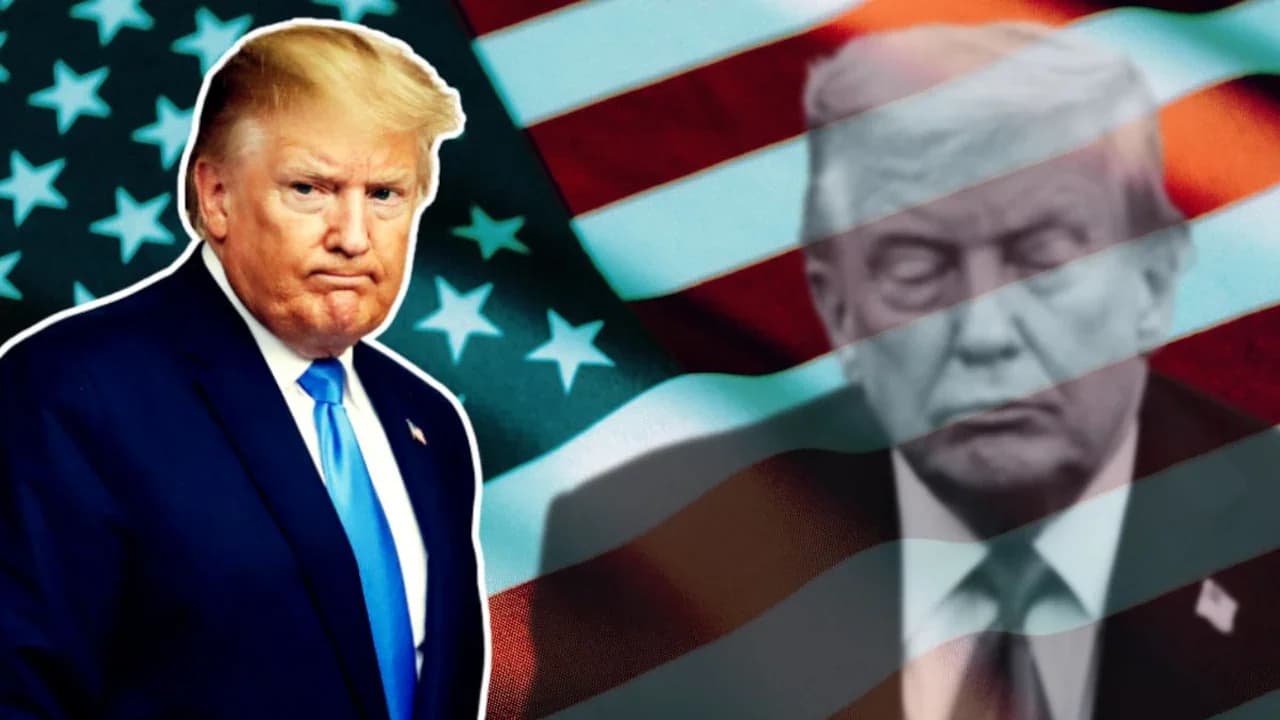
US President Donald Trump has signed two executive orders aimed at tightening restrictions on birth tourism and narrowing birthright citizenship eligibility, weeks after the US Supreme Court struck down his earlier directive on the issue. According to reports from Reuters, the move comes despite Trump calling on Congress to act after his June 30 Supreme Court setback, but he opted for executive orders instead. The first executive order entitled 'Continuing to Protect the Meaning and Value of American Citizenship' sets forth what the Administration views as permissible exceptions to birthright citizenship, while the second order directs the Departments of Homeland Security and State to implement regulations and policies to restrict visa issuance and admission of foreign nationals entering or facilitating the entry of another for the purpose of giving birth in the United States. As reported by Reuters, White House aide Stephen Miller declared at the Thursday signing ceremony in the Oval Office: "That practice of birth tourism is, as of the signing of this order, hereby banned."
The first executive order targets commercial birth tourism by seeking to deny entry to people who travel to the US primarily to give birth. As reported by Reuters, the second order expands categories of people deemed ineligible for birthright citizenship, including children of foreign nationals who lobby on behalf of foreign governments. The new directives focus on narrower categories compared to the earlier order, including children born to foreign diplomats or embassy staff, children of people designated as 'alien enemies', and children whose parents are found to have obtained citizenship through fraud. Under the new framework, the following categories of individuals will not be considered US citizens based on birth in the United States if neither of their parents is a US citizen and if: either parent is an 'alien enemy' (including members of designated foreign terrorist organizations and specially designated global terrorists), either parent is a foreign government employee (including foreign diplomats, embassy staff, or international organization employees), either parent engaged in commercial transactions to purchase or access birthright citizenship, or the individual is born in a US territory or US territorial waters and citizenship is not conferred by federal statute. The order prohibits federal agencies from documenting these individuals as US citizens and requires executive agencies to issue guidance implementing the order within 30 days.
India is frequently cited as one of the leading countries of origin for birth tourism to the US, alongside China. According to Reuters, the Center for Immigration Studies estimated in 2020 that between 20,000 and 25,000 mothers came to the US for birth tourism in a year-long period between 2016 and 2017, out of 3.6 million births in the US in 2025. The immediate impact is likely to be felt more by visitor visa applicants than by Indian professionals working in the US on H-1B visas. Many Indian families invite parents or relatives to the US on B-1/B-2 visitor visas during pregnancy or after childbirth, and under the new rules, pregnant applicants or travellers who appear to be planning to give birth in the US could face more detailed questioning during visa interviews. The birth tourism order directs DHS and DOS to update policies, regulations, and guidance aimed at combatting such activities, including denying or revoking visas, refusing entry, or removing foreign nationals entering or facilitating the entry of another for the purpose of giving birth in the United States. According to the Migration Policy Institute, the most expansive census-based estimate puts birth tourism at 22,000 to 26,000 babies born annually on US soil, although government data show just 9,600 births to mothers with foreign addresses in 2024.
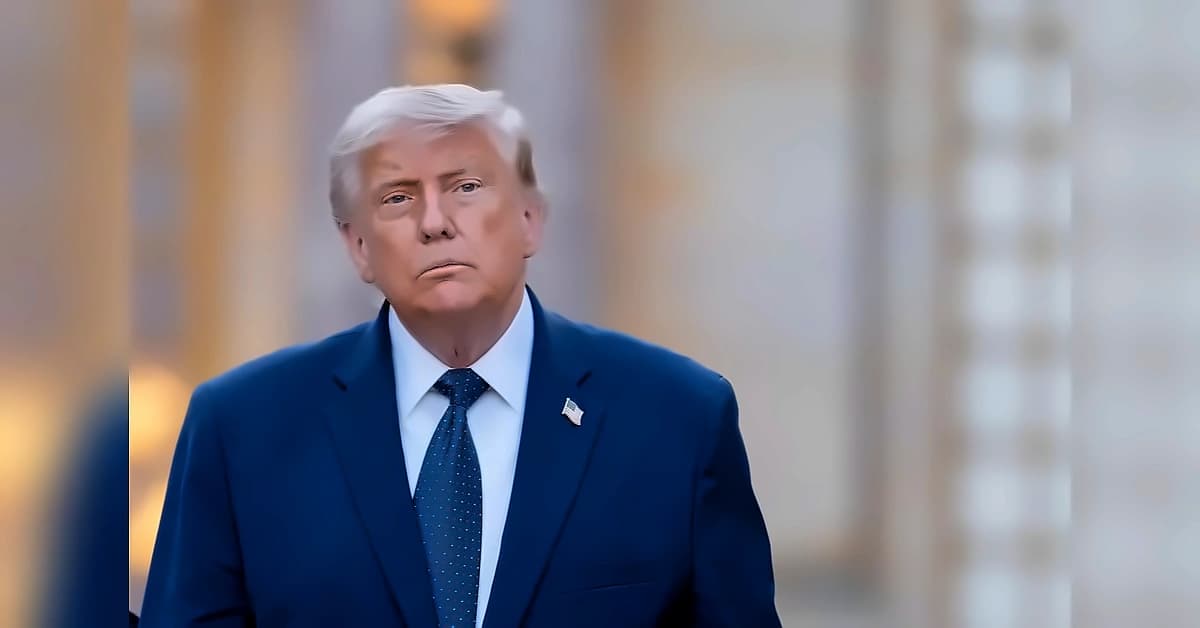
On June 30, the US Supreme Court struck down Trump's executive order that sought to end birthright citizenship for certain children, reaffirming the long-standing constitutional interpretation that nearly everyone born in the United States is automatically a US citizen. As reported by Reuters, Chief Justice John Roberts wrote in the Supreme Court ruling that the authors of the 14th Amendment extended that promise to every free-born person in the land, stating that "Citizenship, then and now, was the right to have rights - to freely participate in our political community. We keep that promise today." The Supreme Court's ruling in 'Trump v. Barbara' upheld the US birthright citizenship framework that has been in place for more than 125 years, with the Court ruling that children born in the United States – even to parents who are in the country unlawfully or temporarily – are US citizens at birth under the US Constitution, with a narrow exception for children born to foreign diplomats. The administration maintains that the new executive orders do not conflict with the Supreme Court's ruling because they target narrower, historically debated exceptions rather than the broader categories covered by the earlier order.
Trump's new orders are likely to face legal challenge, with legal experts questioning their effectiveness given the Supreme Court ruling. As reported by Reuters, the ACLU predicted the orders were doomed to fail in court, with Deborah Fleischaker of UnidosUS stating that "Just five weeks ago, the Supreme Court made clear that birthright citizenship is not subject to a president's whims, it is a constitutional guarantee that has stood for more than 150 years. Today's executive orders are nothing more than an attempt to get around that ruling." Cyrus Mehta, a New York-based Immigration attorney, argued that "Trump's new EO on birthright citizenship is also blatantly unconstitutional when it precludes citizenship if the parents of the person engages in a commercial transaction to ensure that the person's mother is present in the United States, or a territory of the United States to give birth," stating that "the meaning of commercial transaction is too vague and violates the 14th Amendment. It should be struck down." Zain Lakhani of the Women's Refugee Commission warned that the executive orders could trample the rights of pregnant women seeking lawful entry "in one of the most vulnerable moments of their lives," calling on the government to establish guidelines honoring the Supreme Court ruling. Trump, speaking in the Oval Office, called the Supreme Court's 6-3 ruling a "very unfortunate decision" and decried that "people are building businesses around" birth tourism, stating "That's not the way it's supposed to work. It's a disgrace. They're buying their way in, and we're not going to let it happen."