US stocks posted strong monthly gains in August despite mixed performance on the final trading day. According to reports from Business Standard, the Nasdaq Composite Index rose more than 3% for the month, while the S&P 500 gained more than 2.5%. The Dow Jones Industrial Average added 1.3% for the month, demonstrating broad-based strength across major indices despite recent volatility. As per latest reports, the S&P 500 recorded its first one-month increase since May, up 2.6%, while the Nasdaq posted its first monthly gain since May, rising 3.9%. Both the S&P 500 and Dow also reached all-time highs earlier in August, with the Dow achieving its fifth consecutive monthly advance and marking its 15th positive month in the past 16. With the S&P 500 up close to 13% for the year, this could be a clue that a large drop this September isn't likely, as historical data shows only one out of the 10 worst September returns ever saw stocks higher for the year heading into September.
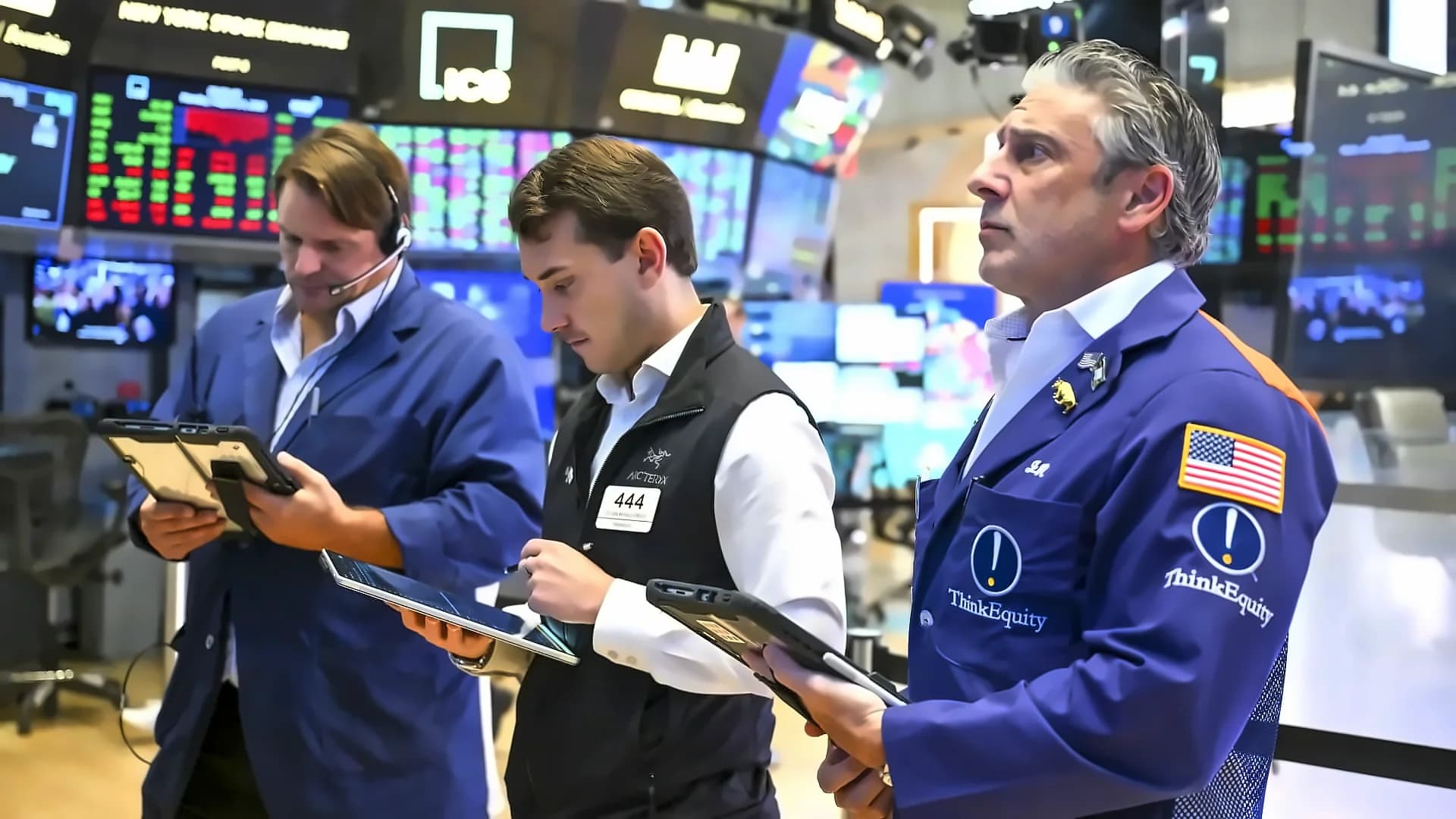
On the last trading session of August, US markets experienced a pullback amid escalating geopolitical tensions and rising oil prices. As reported by Business Standard, the Dow Jones Industrial Average fell 0.70% to 53,185.90, while the Nasdaq Composite Index eased 0.12% to 26,370.89. The S&P 500 Index declined 0.33% to 7,686.14, reflecting investor caution in the final days of the month. The 30-stock Dow was dragged down by losses in Goldman Sachs and Alphabet, contributing to the final session decline despite the month's overall positive performance. The decline came after US and Iran traded fire for the first time in a month, with US Central Command confirming the US struck two rocket launchers on Iran's Larak Island on Sunday, marking the first publicly acknowledged US strike on Iranian positions since late July. Rising oil prices also pressured markets, with US WTI and Brent crude up by 1% each to trade near $87 per barrel and $91.4 per barrel respectively.
The tech sector emerged as the primary driver of August's gains, with artificial intelligence-linked stocks significantly outperforming. According to latest reports, the S&P 500 tech sector finished up more than 6% for the month, with Nvidia climbing about 10%, Microsoft gaining more than 9%, and Micron Technology advancing more than 16%. Tech stocks supported the broader market charge throughout August, demonstrating resilience in the face of geopolitical uncertainties and rising interest rates. The sector's strong performance reflects investor confidence in AI-related companies and their long-term growth prospects, with the S&P 500 tech sector's 6% monthly gain leading the market charge despite broader market volatility. A major semiconductor manufacturer, the largest stock in the S&P 500 by market cap, reported very strong earnings and guidance, gaining more than 8% and sparking the AI and tech trade.
August proved to be a turbulent month as inflation fears sent Treasury yields to multi-year highs, creating additional pressure on equity markets. The Treasury Department tried to stem the rout by saying it would increase debt repurchases, but yields along the long end of the curve remain elevated. Federal Reserve Chairman Kevin Warsh expressed concerns about inflation, noting that while summer readings were better than expected, they don't indicate meaningful improvement in underlying trends. This inflation backdrop contributed to the choppy trading conditions throughout the month, with investors closely monitoring the August jobs report due Friday morning for further economic insights. The 10-year Treasury note yield reached its highest level since January 2025 to 4.78% on Tuesday, while the 30-year yield climbed to 5.27%. Treasury Secretary Scott Bessent recently stated that Treasury was running its buyback program of 10- to 30-year Treasuries because yields on the long end of the curve didn't reflect fundamentals. The probability of rate hike in September 2026 has reached to 65%, almost double from around 36% before Warsh's hawkish remarks at the Jackson Hole meeting.
Despite the final session decline, the monthly performance indicates underlying strength in US equity markets, but September presents significant challenges. As reported by Goodreturns, September is historically the worst month for the S&P 500, down 0.6% on average and higher only 45% of the time. However, with stocks up close to 13% for the year, there are clues that this year could buck the bearish trend. Historical data shows that when August is higher while the S&P 500 is up for the year between 10% and 17.5%, September was higher six out of 11 times with a solid median return of 1.2%. The Federal Reserve held its annual Jackson Hole Symposium on Friday, with no major curveballs emerging, but Warsh's hawkish stance has increased rate hike expectations. Investors will receive crucial economic insights this week with the August jobs report due Friday morning, along with monthly manufacturing and services sector data. The US dollar continued to be firm around 99.5, which has been the case since Warsh gave hawkish remarks, while oil prices traded higher with WTI and Brent crude up by 1% each.