US stock markets recorded mixed weekly performance with the Dow Jones posting its third weekly decline but marginally down by 108.14 points, while Nasdaq Composite recorded weekly gains of 938.52 points or 3.6%, outperforming its counterparts. On September 25th, Dow Jones index gained by 478.64 points or 0.93% to close at 51,828.62, while Nasdaq Composite rallied by 129.34 points or 0.5% to end at 27,068.72. The S&P 500 index rose by 39.28 points or 0.51% to close at 7,743.41, as reported by Goodreturns. Top performing indexes included hardware shares, hyperscalers, and financial stocks, with Applied Materials gaining over 2%, LAM Research surging nearly 3%, and Microsoft zooming by nearly 4% after plans to merge its consumer and workplace Copilot AI assistants. Meta stock fell 3.3% but posted weekly gains, while Oracle dropped nearly 2%.
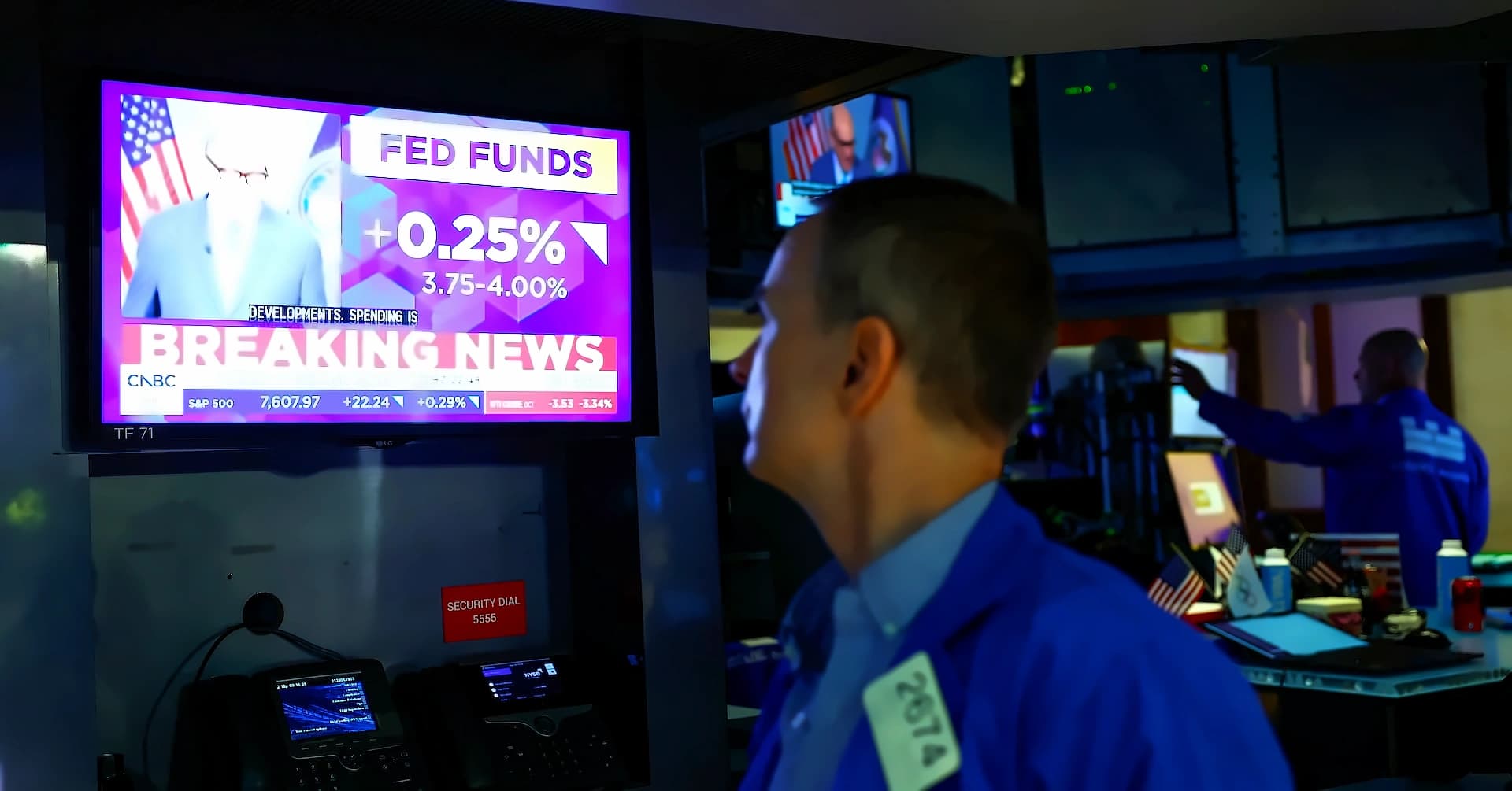
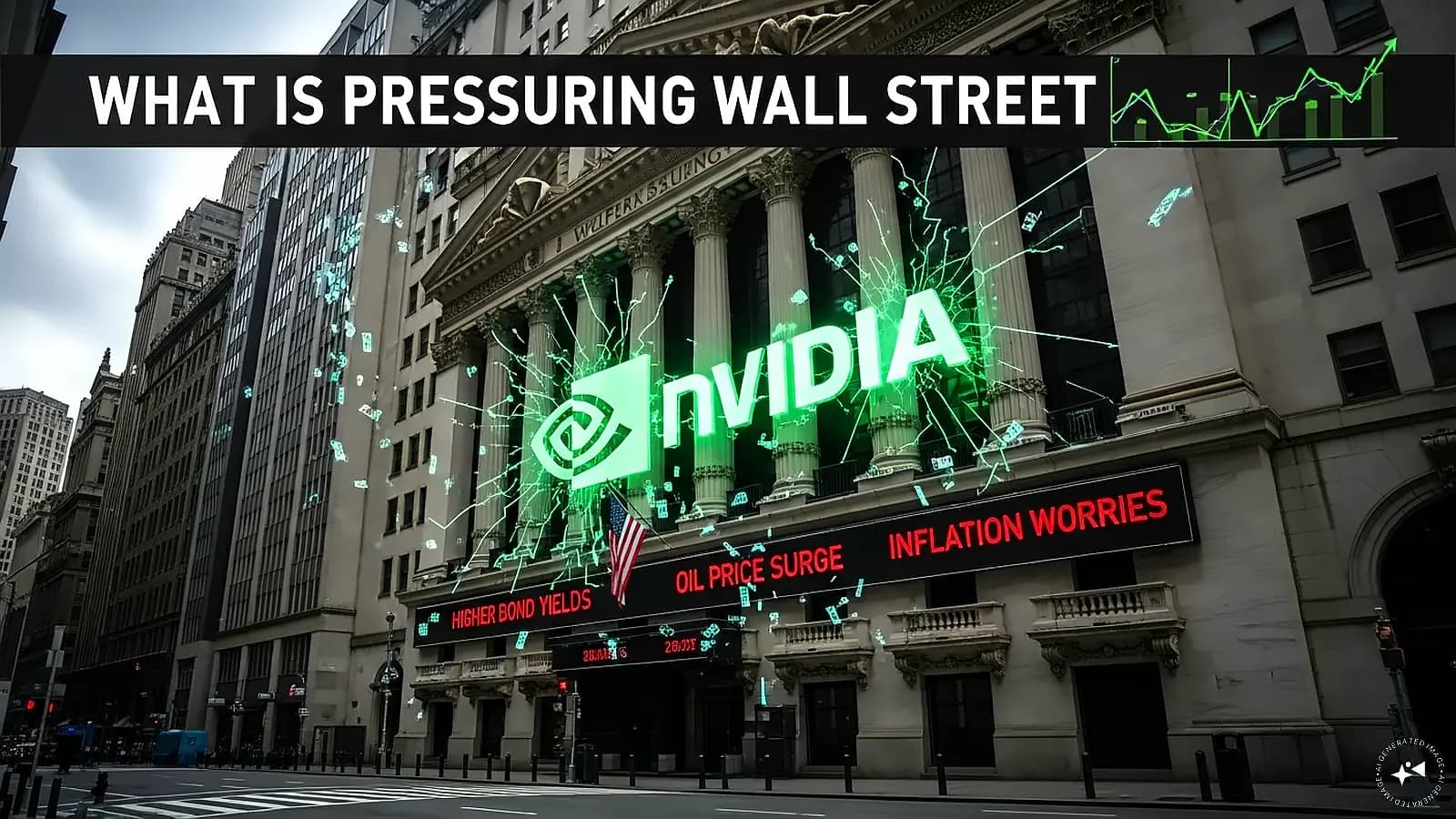
The 10-year US Treasury yield stood around 5.2%, which is highest level since mid-2007, following stronger-than-expected economic data that reinforced expectations that the Federal Reserve could raise interest rates again. As reported by Trading Economics, rising yields can reduce the relative appeal of equities and increase the cost of capital for companies. The 30-year Treasury yield jumped to its highest level since 2004, adding to the pressure on long-term borrowing costs. Last week, the Fed decided to raise its key benchmark interest rate by 25 basis points to the range of 3.75% to 4%, which was the first rate hike in more than three years. By Friday morning, the 10-year yield had surged through 5.20%, the first time in 19 years, representing a 50-basis-point jump in 30 days, and 30 basis points of it in just the last two days. US mortgage rates are pushing towards 7.50%, with the bond market asking whether the White House and Fed will blink on further rate hikes. Investors currently expect the Fed to raise the federal funds rate by 25bps next month, with the probability of such a move standing at around 66%, as per Trading Economics data.
US WTI crude oil eased to $92 per barrel but Brent crude remained elevated to around $104 per barrel, according to Charles Schwab's note. Oil prices remained high but volatile on Thursday after Reuters reported that the United States and Iran are negotiating a deal to reopen the Strait of Hormuz. Brent Crude, the international standard, slipped 0.77% to $105.80 a barrel, while West Texas Intermediate fell 1.46% to $93.23 per barrel. The decline came after crude topped $105 in previous sessions, with markets assessing whether geopolitical tensions could disrupt energy supplies. Brent was back above $107 a barrel after the Houthis said they had hit a Saudi military site, five days after it had tumbled under $100 a barrel because Trump said he was open to talking to Iran at the UN. Ukraine then sent 1,600-odd drones into the Moscow region and set fire to a refinery that feeds a third of the city's fuel, just six days after Washington said both sides had agreed not to hit energy infrastructure. Diesel in the US is over $6.50 a gallon and France has 11% of its stations dry, while gold ETFs are sitting on about 100 million ounces as investors seek safe-haven assets.
Among top 10 heavyweight stocks, Nvidia plunged 1.5%, Alphabet crashed 3.6%, Amazon plummeted 2.24%, SpaceX crashed over 4.1%, while Apple was down nearly 1%, according to Goodreturns. Chip stocks like Micron and AMD dropped 2.2% and 1.5% respectively, with TSMC and Broadcom also declining by 1.20% and 2.62%. The 10 out of 11 S&P 500 sectors witnessed selling pressure with communication services, utilities and consumer discretionary stocks taking the most beating. This decline came after the Nasdaq Composite rose to a fresh all-time intraday high earlier in the week, climbing 0.45% to a record close of 27,244.28, supported by strong AI-related momentum and a nearly 7% gain in shares of Sandisk following a bullish call from Rosenblatt. McDonald's Corp shares settled 0.55% lower and declined over 5% in midday trading after the company released a new multiyear growth plan, apart from a warning that high inflation and sluggish restaurant traffic are likely to continue.
US stock futures steadied on Thursday after the major averages fell in the previous session, as strong economic data and a weak Treasury auction pushed Treasury yields to multi-decade highs, according to Trading Economics. US WTI crude oil futures traded lower by 0.4% to near $92 per barrel and Brent crude oil futures tumbled nearly 1% to hold around $102 per barrel. On Thursday, investors await the latest weekly jobless claims data, along with earnings reports from Costco and Darden Restaurants. Companies like Blackberry Ltd. (BB), Costco Wholesale Corp. (COST), Darden Restaurants Inc. (DRI), TD SYNNEX Corp. (SNX), and Uranium Energy Corp. (UEC) will declare their quarterly results on Thursday. Additionally, economic data like Continuing Claims, Current Account Balance, EIA Natural Gas Inventories, Initial Claims, and New Home Sales are scheduled to be released on Thursday, as reported by Goodreturns. History is not kind here - LPL Financial looked at six tightening cycles since 1994: the median S&P 500 return three months after the first hike was down 2.6%, with RBC Capital Markets noting that in five of those cycles the index took an 8% to 14% drawdown from the peak. A host of data next week-including a fresh monthly jobs report-puts the economy center stage and could help set the tone, while earnings from Micron (MU) and Nike (NKE) also might stir interest.