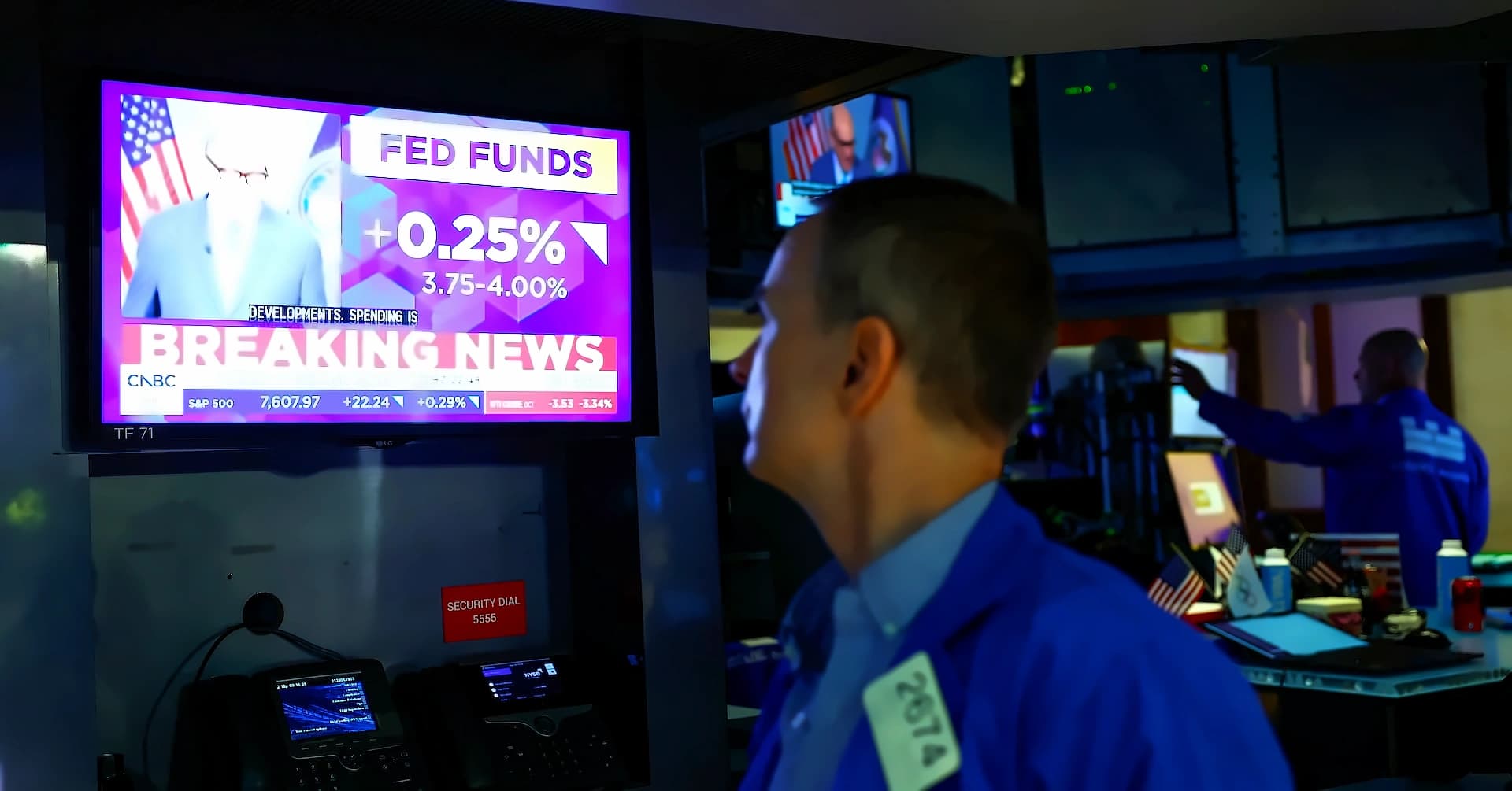
US stock futures showed mixed performance on Wednesday, September 2, as escalating US-Iran tensions and surging oil prices continued to weigh on investor sentiment. Futures tied to the S&P 500 were little changed, while Nasdaq-100 futures slipped 0.2% and Dow Jones Industrial Average futures gained 137 points, or 0.3%. According to CNBC TV18, the benchmark 10-year US Treasury yield climbed to 4.814%, its highest level since November 2023, while bond yields also moved higher across the UK, Germany and France, with Japan's 10-year government bond yield trading near multi-decade highs. The market weakness represents continued volatility as investors fear renewed fighting in Iran could inflate prices and convince central banks to hike interest rates.
Oil markets experienced dramatic gains as US military action escalated tensions with Iran. West Texas Intermediate crude traded above $90 a barrel on Wednesday, reaching its highest level since late July, after the US launched additional military strikes on Iran, raising concerns that the conflict could escalate further. The treasury yield surge came as investors assessed the potential inflationary impact of higher oil prices. As CNBC TV18 reports, rising oil prices stoked fears that inflation could stay elevated, complicating the Federal Reserve's next move on interest rates. However, Investing.com India notes that diesel, heating oil, European natural gas, and refined products carry considerably more heat than crude alone would suggest, with diesel at the commercial heart of freight, machinery, and agriculture becoming the sand in the gears.
US Central Command announced the successful completion of strikes against Iranian military targets on September 1, marking the latest escalation in the ongoing conflict. According to CNBC, the strikes came a day after a tanker in the Strait of Hormuz was struck by three unidentified projectiles, an incident that prompted President Donald Trump to vow retaliation for Iran's ongoing attacks on American military installations in the area. Nearly all incoming missiles were intercepted with little to no impact on the ground. The Islamic Republic also attacked two supertankers carrying 4 million barrels of Saudi oil near Oman's coast, demonstrating the escalating nature of the conflict. In a television interview on Monday, US President Donald Trump pledged to respond to Tehran's strikes on the King Hussein and Al Azraq bases in Jordan, telling Fox News "We're going to hit them hard." The United Kingdom Maritime Trade Operations reported late on Monday that a tanker was struck by three unknown projectiles while crossing the Strait of Hormuz, where Iranian forces have carried out numerous attacks on commercial shipping, with no casualties reported and no government or group claiming responsibility.
The ongoing conflict has severely impacted maritime traffic through the Strait of Hormuz, a conduit for about one-fifth of global oil supplies in peacetime. According to ship monitoring platform MarineTraffic, traffic in the strait saw 107 transits from August 24 to August 30, down from 121 crossings the prior week, with many vessels sailing "dark" with their Automatic Identification System turned off to lessen the threat of Iranian drones and missiles or interception by the US Navy. Before the war, the strait saw roughly 130 daily transits, highlighting the significant reduction in commercial shipping activity. As Al Jazeera reports, hopes of a near-term deal to open the strait have faded as the conflict appears back on an escalatory trajectory, with Saul Kavonic, head of energy research at MST Financial, noting that "the oil market is increasingly realising we may be in for a protracted 'no war, no peace' situation, with only partial volumes flowing through the strait, that could last well into 2027."

US economic data showed mixed signals with ADP data showing US private-sector employers added 38,000 jobs in August, down from an upwardly revised 46,000 in July and below the Dow Jones estimate of 47,000. Hiring gains were concentrated largely in healthcare and a handful of other industries. Meanwhile, Uber shares gained more than 1.5% in premarket trading after the ride-hailing company announced plans to cut about 3,300 jobs, or roughly 10% of its workforce, as part of a restructuring aimed at reducing management layers. The company expects to cut its number of managers by 20% and increase the number of employees working from offices, with only about 1% of Uber employees allowed to work remotely going forward.